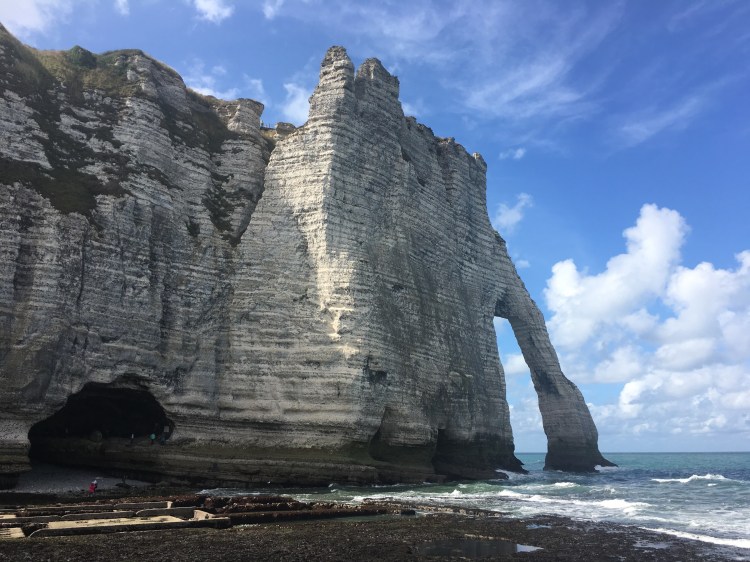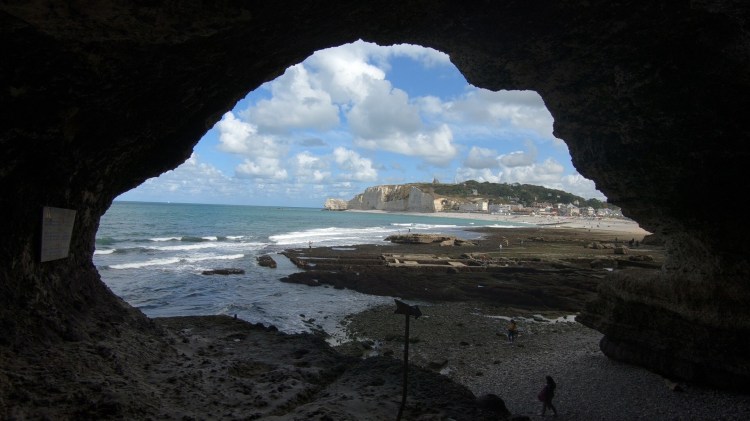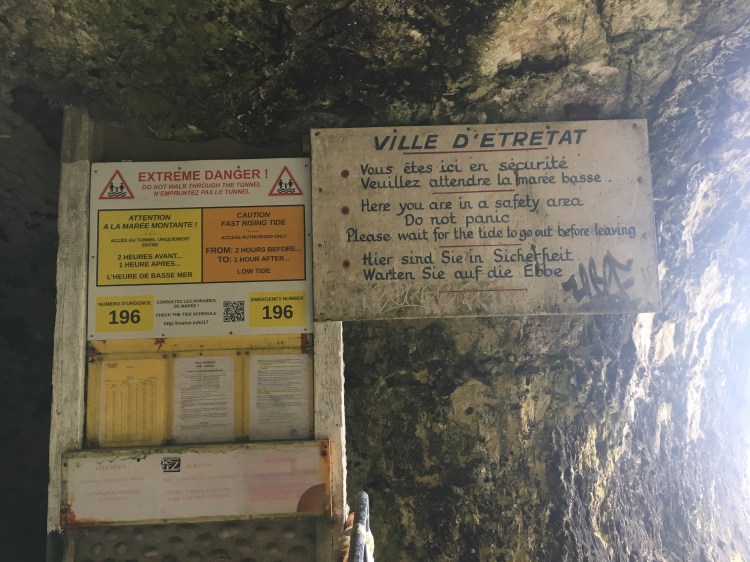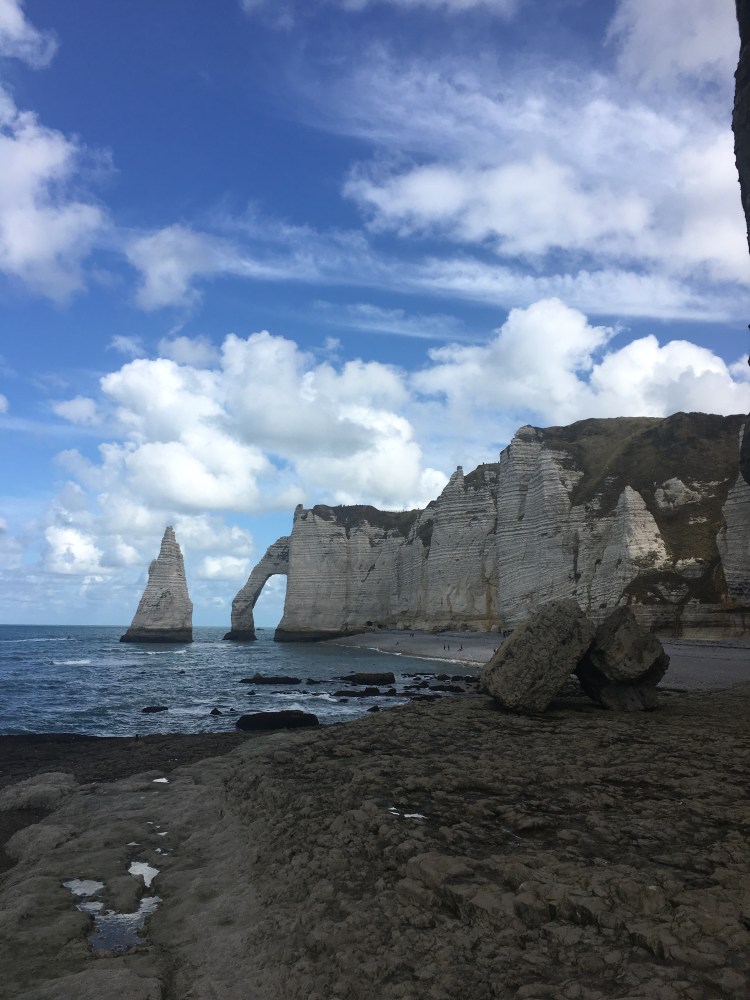
Corsica, France

“Are you going to blog about your trip?”

“You never blog anymore.”

“You’ve been home a month and a half!”

“The blog is dead. It needs your contribution on account of I have nothing.”

….maybe I should write a blog post about my trip to Corsica?


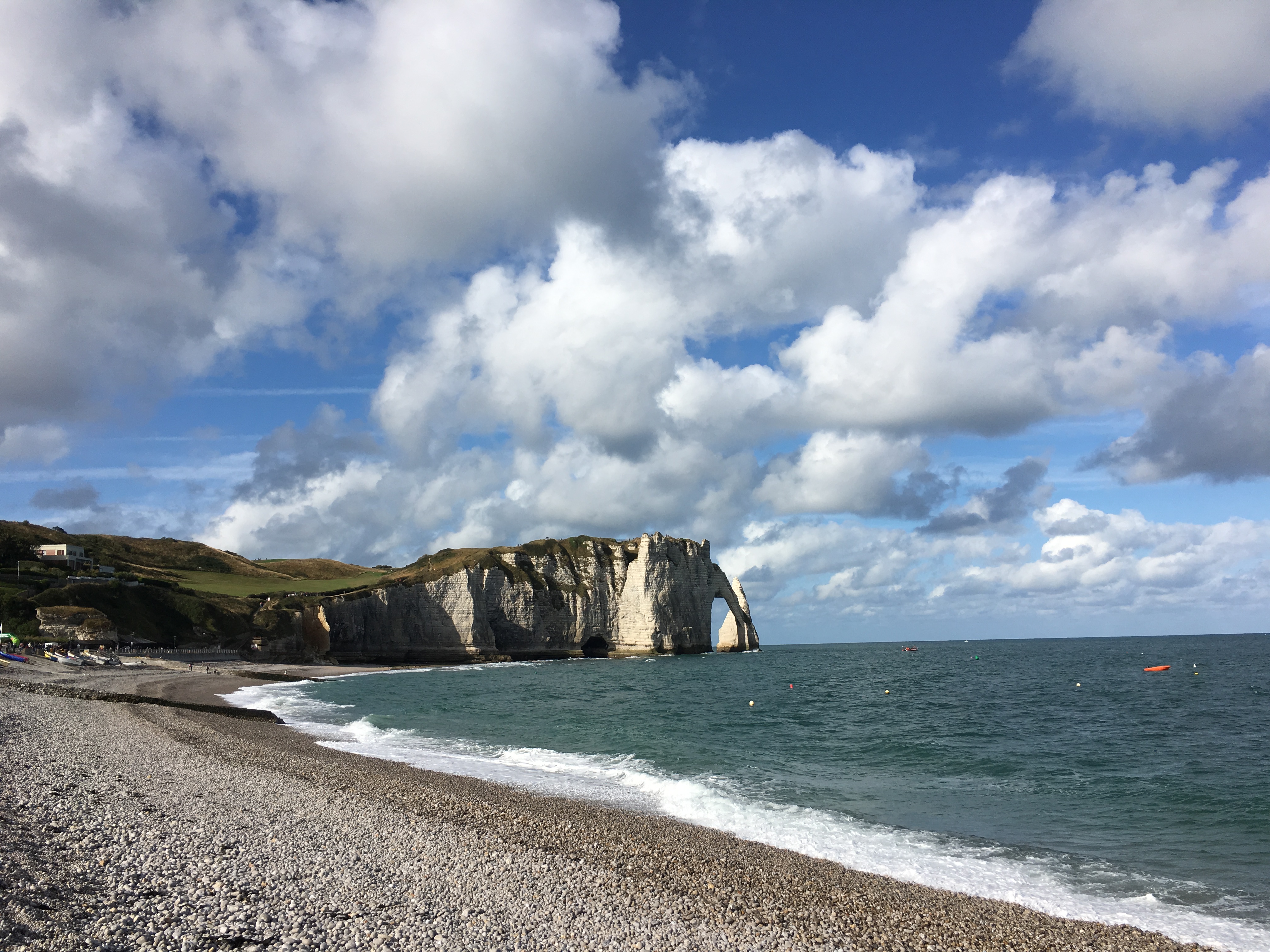
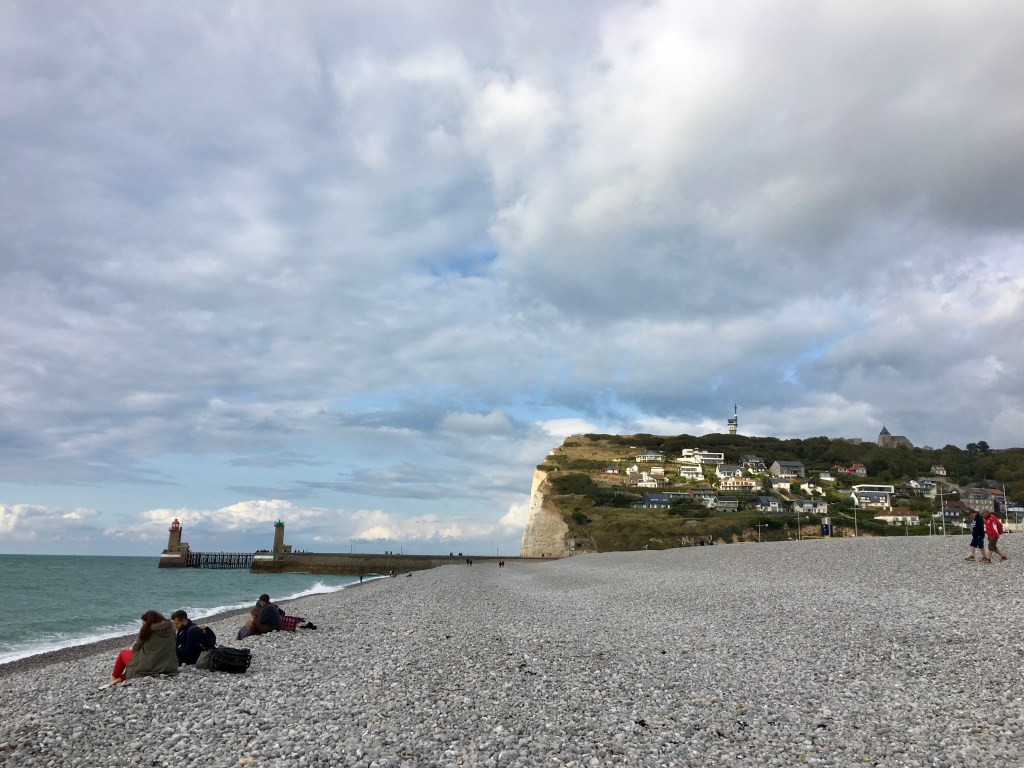
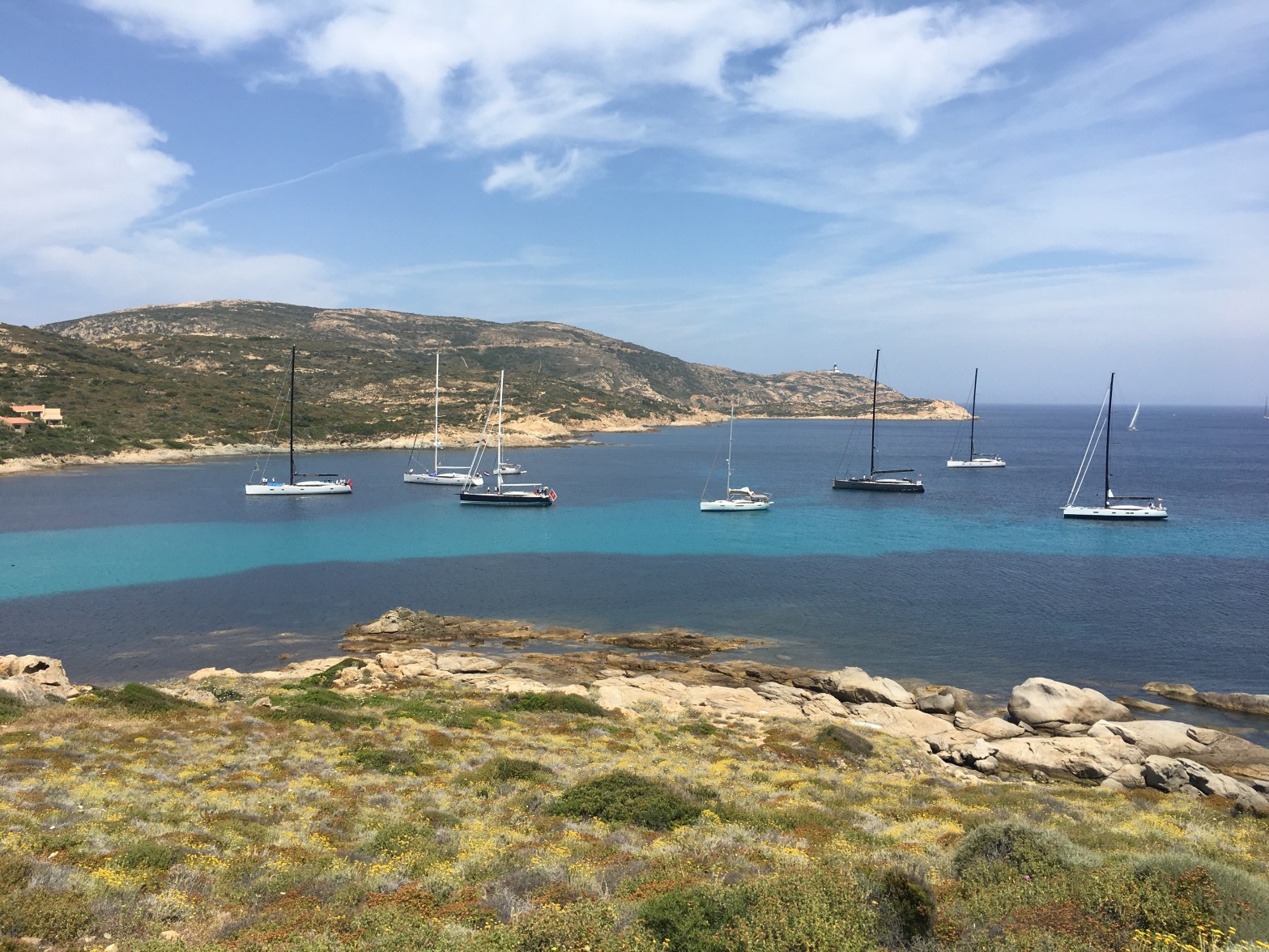
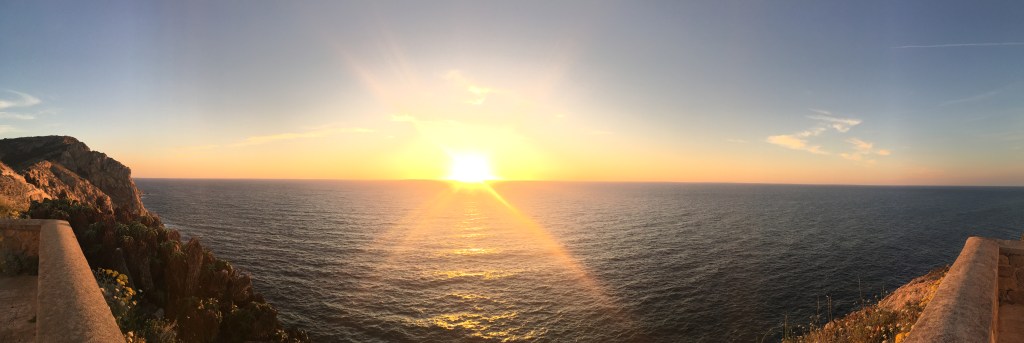
I spent the entire month of June on an island in the Mediterranean Sea! Believe it or not, this was a work trip; a fieldwork to trip to be more precise. Not a bad place to work, huh? For all it’s frustrations, science can be pretty cool sometimes.

Perhaps I should explain how this came to be. Last year, I interviewed for a postdoc position in Tübingen, Germany. Ultimately, this position did not pan out, but it did lead to further discussions of potential collaboration. Simply put: this is science lingo for saying “write your own project and come do it here”. As an aspiring academic researcher, this exactly the exciting/scary/adventurous/bold opportunity I was looking for. To survive in academia, you have to 1) develop your own, independent line of research and 2) fund that work through grants. If this is to be my chosen career path, then why not start now?! So, since finishing my PhD, this has been my focus: I have written and submitted my own grant applications, in hopes of continuing my research career in Tübingen.

As part of this process, I have been in continual contact with my potential postdoc host. In one such conversation, I was offered an opportunity to join the group on their upcoming fieldwork trip. Naturally, I accepted. The fact that this trip would be to Corsica, France was an obvious plus, but more relevant was what it would mean for my research experience. For both my Master’s and PhD, I completed fieldwork very early in the project. These experiences proved invaluable to my later work – in evolutionary biology and behavioral ecology, it’s important to place your work in a larger context and to remember that these are natural systems, with real implications. Fieldwork definitely drives this point home. For all those non-science nerds out there, it’s also really freaking cool to spend a month diving in the Mediterranean!

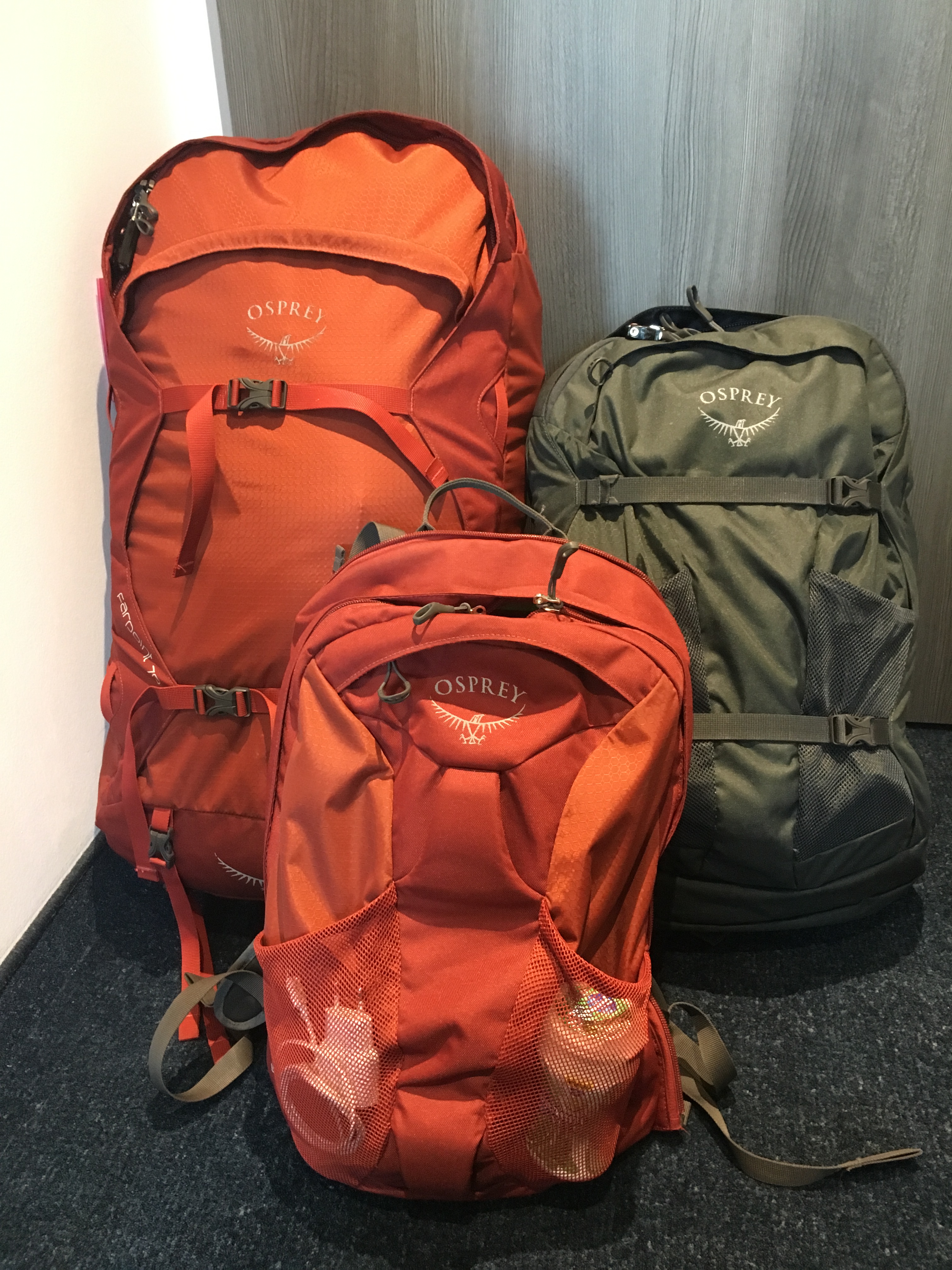
Getting to (and from) Corsica was an adventure in itself; not because Corsica is so remote, but more so due to the logistics of scientific research. Any fieldwork trip, by necessity, requires lots of gear. As you can imagine, transporting all this gear to and from the field comes at a great expense. Scientists would much rather spend their hard earned grant money on actual research, so if a cheaper transport opportunity presents itself, you take it. Case in point for getting to Corsica: drive. For me, this meant the following travel schedule:

Day 1:
Groningen -> Amsterdam (2 hour train ride)
Amsterdam -> Stuttgart, Germany (1.5 hour flight)
Stuttgart -> Tübingen, Germany (~1 bus ride)
Overnight in Tübingen


Day 2:
Tübingen -> Savona, Italy (~9 hour drive)
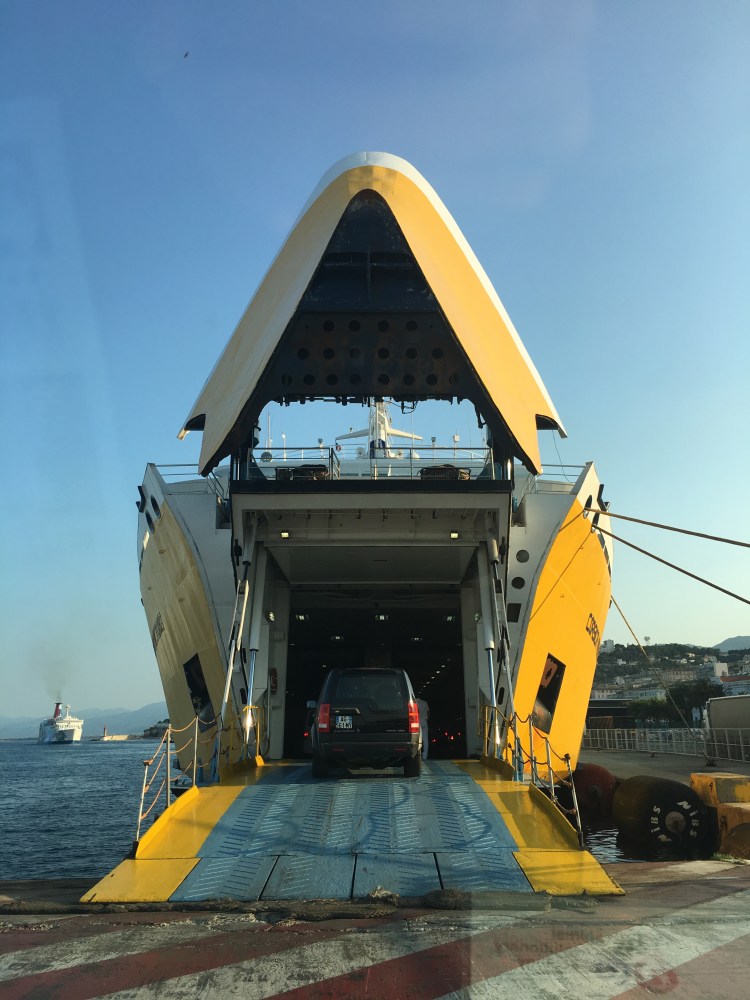
Savona -> Bastia, France (overnight ferry)


Day 3:
Bastia -> Calvi, France / Stareso (~3 hour drive)

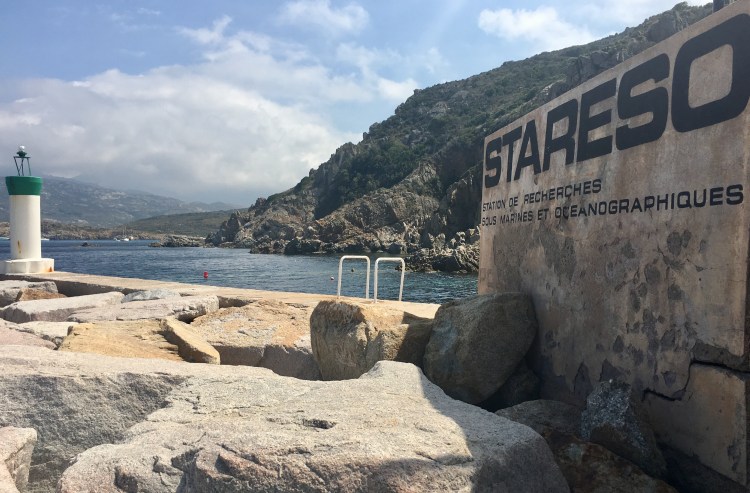
Station de Recherche Océanographiques et sous-marines or Stareso, for short, is a marine biology research station, located just outside of Calvi, in northern Corsica. Originally built in the 1970’s, Stareso has been the annual fieldwork destination of the Tübingen visual ecology group for the past 10 years. There are, of course, many other research groups that also make use of the station, many of which also have a long history of coming to Stareso.

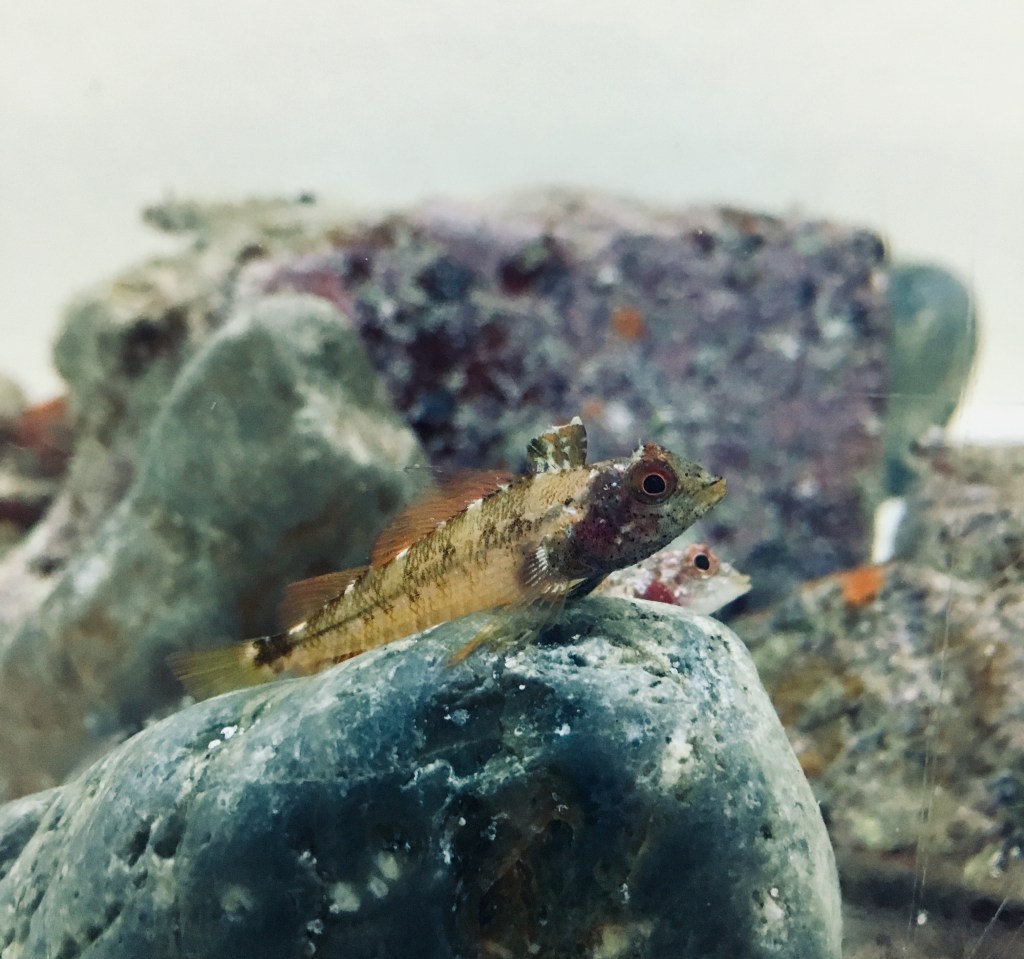
I’m not going to go into much detail of our work at Stareso, as it’s not my research to share. However, I will give a quick rundown of what we did. In short, we conducted a large-scale behavior experiment using a small fish that naturally occurs in the Mediterranean Sea. This is particularly relevant for me, as this is one of the fish species I want to study (should I get funding).

Can you spot the fish?
A triplefin blenny – in the aquarium

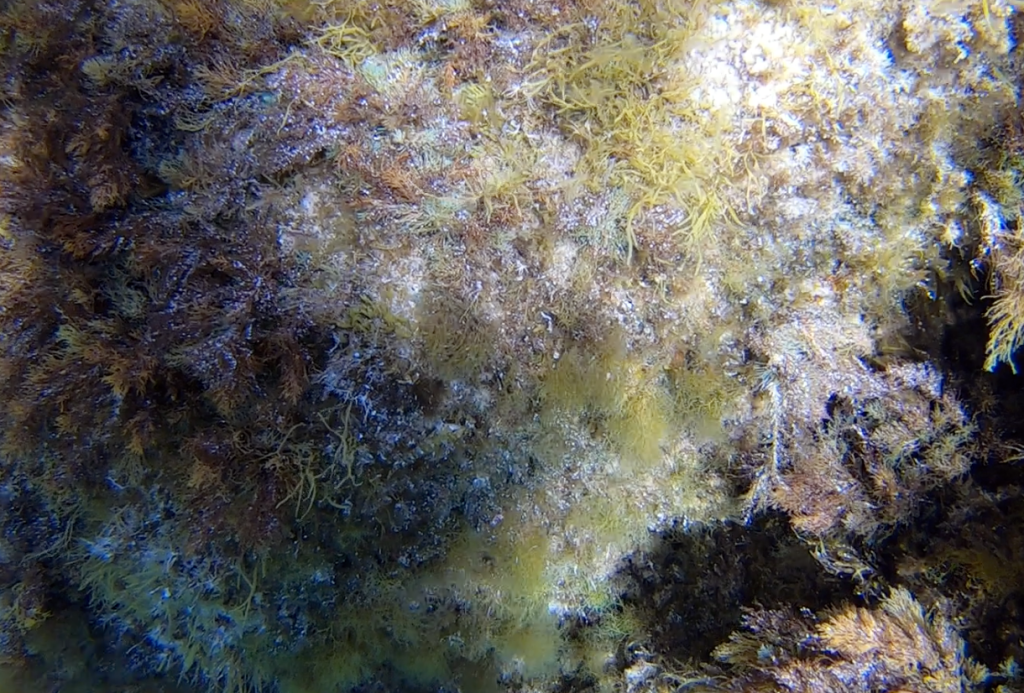
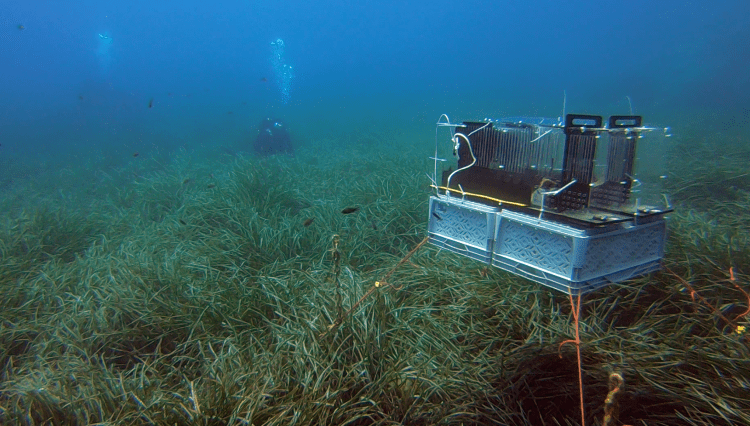
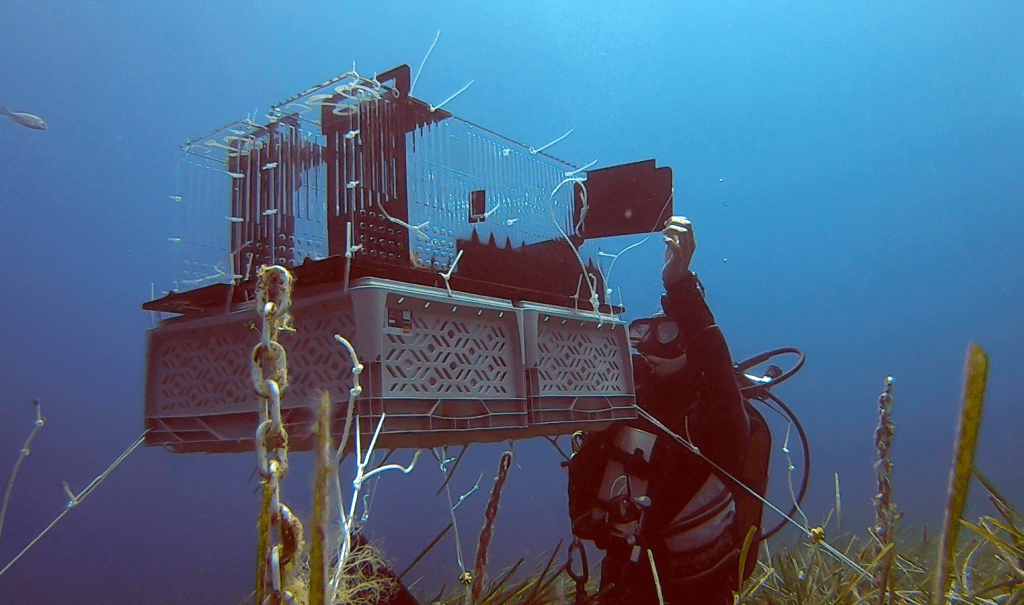
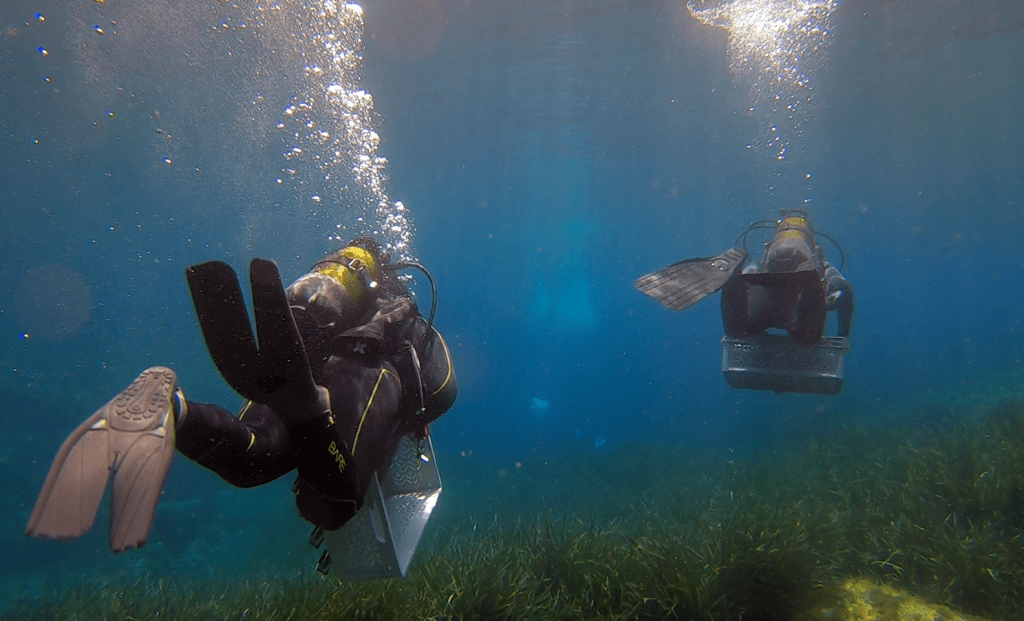
For this trip, we had an array of experimental tanks anchored in a seagrass bed at ~10m (~33 ft) depth.

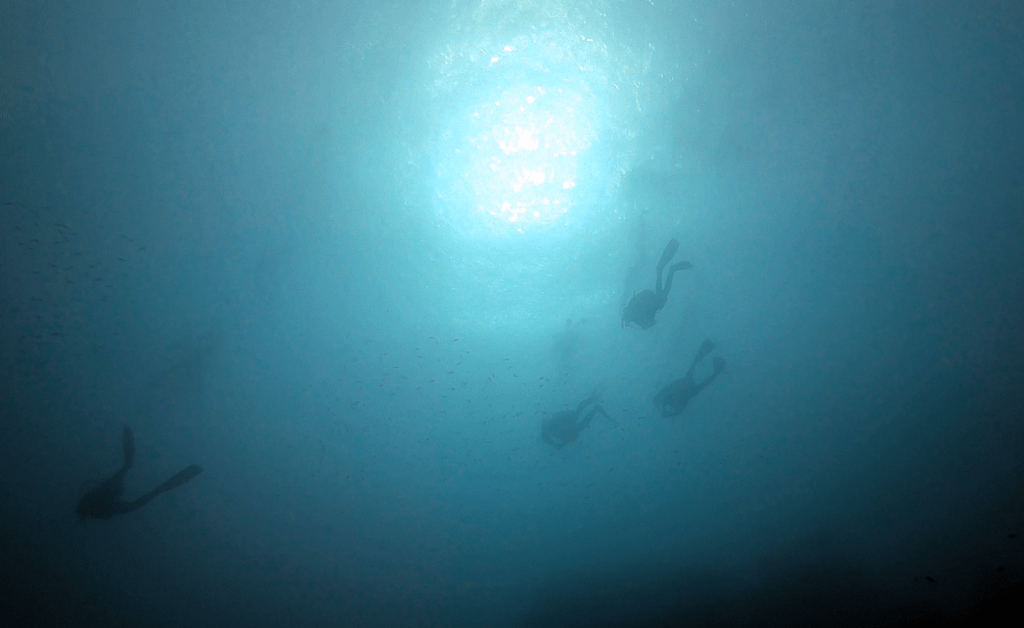
Each day, we’d work in small teams of 2-3 divers to transport fish to the tanks and then run a behavior trial for ~1.5 hours. A second team would then return to the tanks to collect the fish and GoPro’s used to record the trials. Meanwhile, there was the continual task of collecting wild fish for use in the next day’s trials, as well as the general upkeep and maintenance of the tanks themselves. As you can see from this list, we spent a lot of time under water. I logged a lot of dives on this trip!

Again, I won’t go into any details of the experiment or the results, but I can say that it was a very successful trip! All-in-all, the experiment worked well, we had no diving- or fish-related issues, the weather was great, and to top it off, the food at Stareso was phenomenal! This was certainly a much different field experience than when I worked on Lake Victoria.


In other news, we have been pretty low-key lately. Whitney has been busy working, while I am writing funding applications. Thus far, I’ve submitted one proposal and will soon submit a second. These processes are annoyingly slow; it will be November, at the earliest, before I hear any result. In the meantime, I’ll keep myself occupied with a few remaining publications for my PhD work and also enjoying life with little responsibility. After 5 years of intense PhD research, it’s nice to relax.

Stay tuned for blog-life to return to normal, as Whitney will be posting about our upcoming trip to France (in September).

Until next time,
Shane

London, England with the London Pass

I’m just going to come right out and say it.

I love London.

So when we were discussing where to go with the family after Shane’s Ph.D. defense, I jumped at the opportunity to go back. The direct flight from Groningen settled it and off we went for 5 days in London!

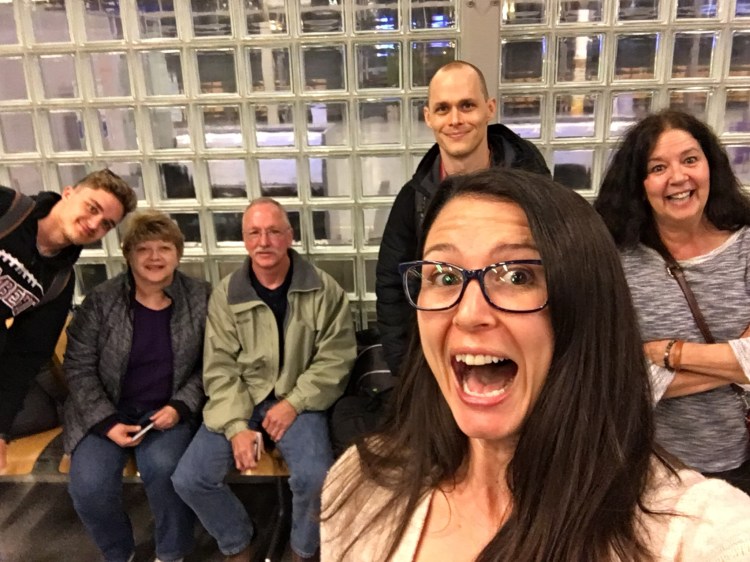
Obligatory airport us-ie. It was getting late, I’m not sure everyone was genuinely thrilled about this.
Our small plane from Groningen.

As I mentioned before, Shane and I have been to London a couple of times now, but his family hadn’t and it had been a while for my mom, so we decided to do something a little different this time.

We bought the London Pass.

These type of passes you can find in most major European cities. In fact, we bought the Budapest Card when we spent a long weekend there a few years ago.

In short, with the pass you have access to over 80 attractions in London – some with fast-track entry, it provides discounts at participating restaurants, and you can choose to have it act as your transportation card. The pass can be delivered to your house as a physical card before you travel (which Shane’s family chose), or you can have it delivered to your phone where you can access it with or without internet (which we chose).

All in all, it can be a one stop shop! For this post, I thought I’d go through a few advantages and disadvantages of the London Pass.

Advantage:

You have access to *almost* all of London’s major attractions.

Which means you’ll do things you probably wouldn’t have done if you were paying individually. For instance,

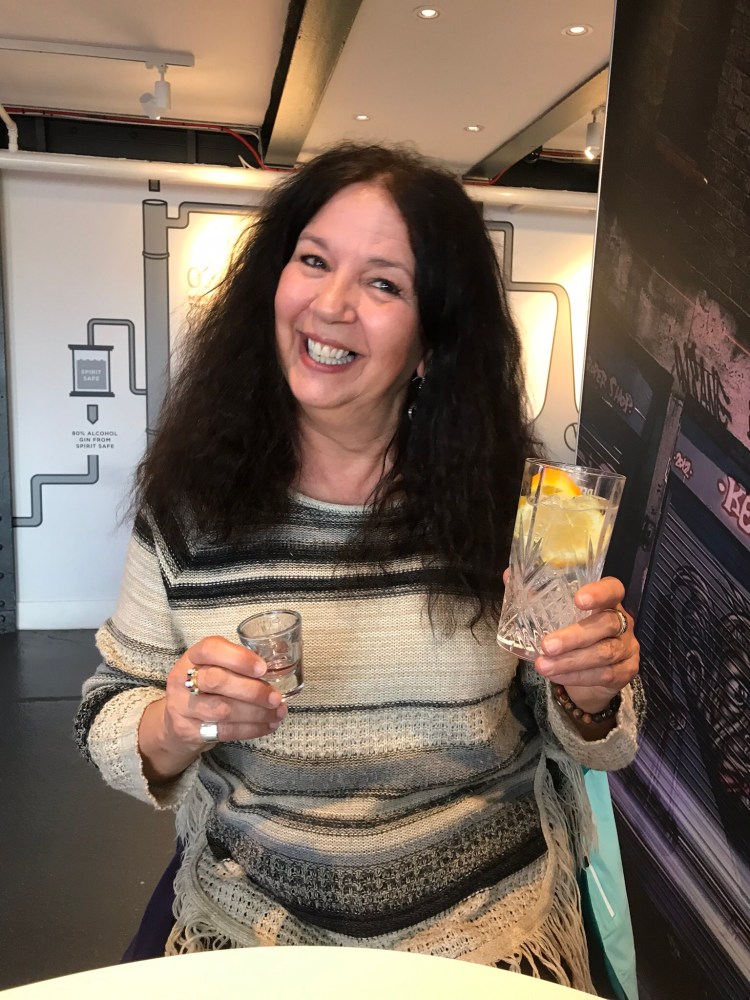
The Beefeaters Gin Tour (£15)

I love gin, my mom loves gin, but would we have slugged ourselves across town for a gin tour without the pass? I’m not so sure.

Was it worth it and should you do it?

Yup! (well, if you like gin that is…) The tour includes a few tastings and a G&T at the end so… 😉

A Hop-on Hop-off Bus Tour (£34)

Shane & I are walkers. We will have blisters & bleeding feet before we think *DUH*, public transportation. Don’t ask me why, it’s just what happens. This is why I say that the hop-on hop-off bus tour is something we wouldn’t have normally done.

It ended up being great though – a nice overview of the city on our first day there. And, it ended up being double great since Shane’s mom tore her meniscus in TWO PLACES in a freak wrong-stepping accident on the plane to the Netherlands. Needless to say, she was happy to sit & see the sights at the same time!

The tour guide says “Want me to take a picture of your group with The Shard in the background?”
I mean, I guess it’s technically in the background – but not quite what I expected. *facepalm*
The Monument (£5)

To the great fire of 1666 that is!

Fun fact: Because of the fire, which basically wiped out medieval London, to this day buildings are not allowed to be built with wood.

311 stairs will take you to the top with sweeping views. And don’t worry, you get a certificate to show you made it.

View from the top of The Monument.
The Churchill War Rooms (£22)

This museum was crazy cool and something we’ve been wanting to do. If you’re into WWII history, then the bunkers where Churchill strategized during the war is a must-see.

Maps used to track during WWII.

And you’ll definitely do the well-known stuff such as,

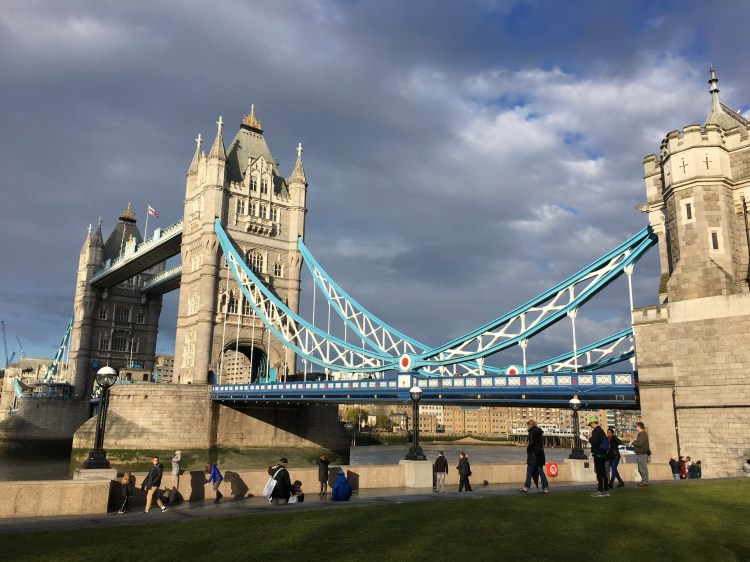
The Tower of London (£28) & the Tower Bridge (£10)

Would you brave the glass floor in the Tower Bridge?

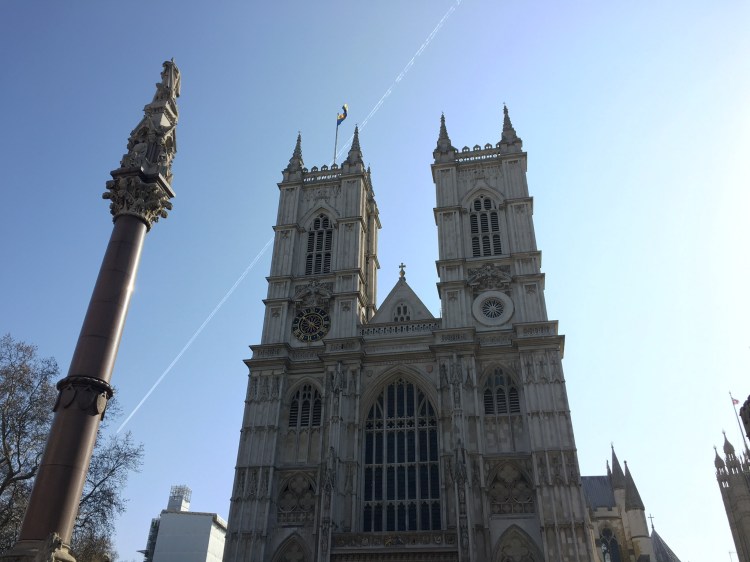
Westminster Abbey (£23)

Another must-see. An audio-guide is also included in the admission price.

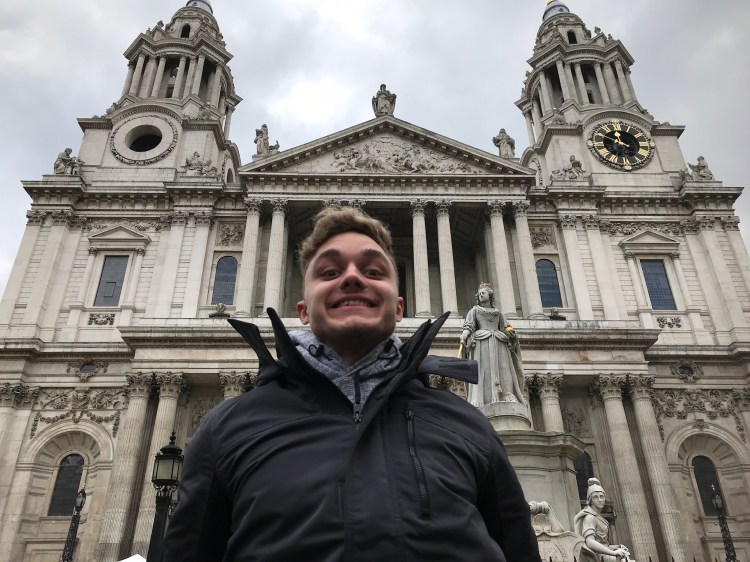
St. Paul’s Cathedral (£20)

FYI – there are no pictures inside St. Paul’s. A sign I missed until I was essentially tackled by my mother who was concerned about me breaking the rules…

photobombed.
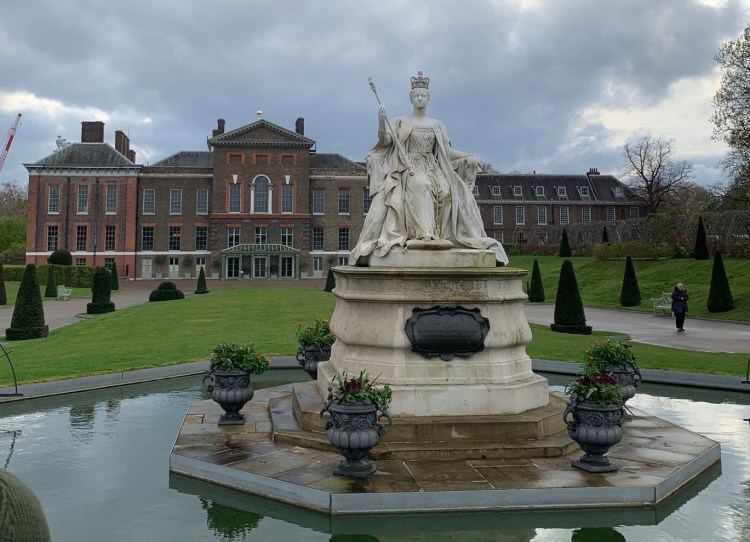
Kensington Palace (£20)

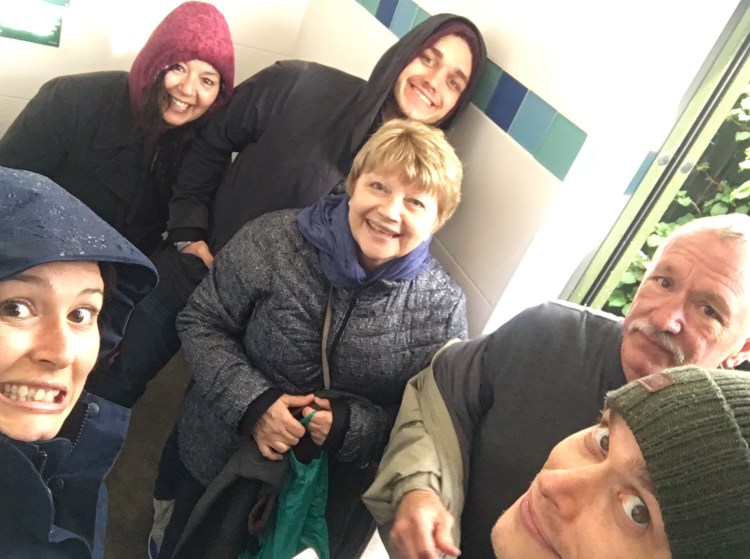
We had intentions of touring Kensington Palace, but our walk through Hyde Park was slower than anticipated on account of a heavy rain storm. Heavy enough it resulted in us hiding out in the women’s bathroom for 15 min to let it pass. By the time we got to the palace it was almost closing time, but it is indeed included!

…stuck in the bathroom.
Kensington Palace. Wonder if Will & Kate were home?

For me, the most impressive and exciting thing included in the pass was

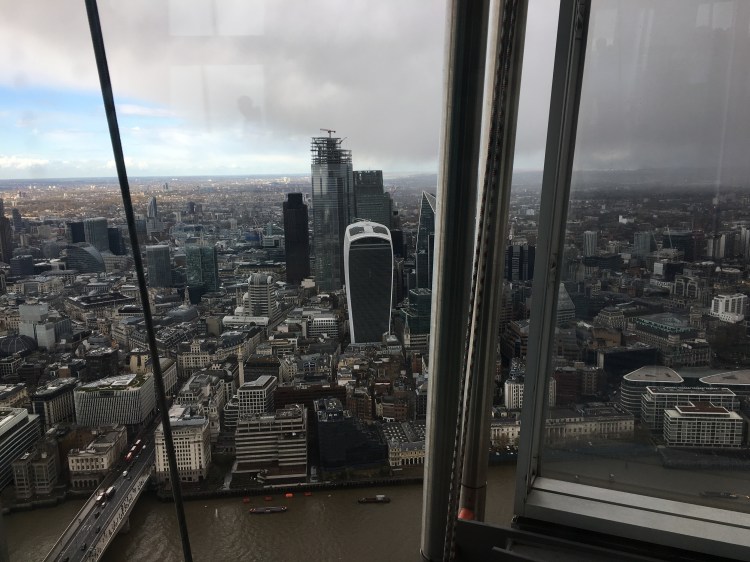
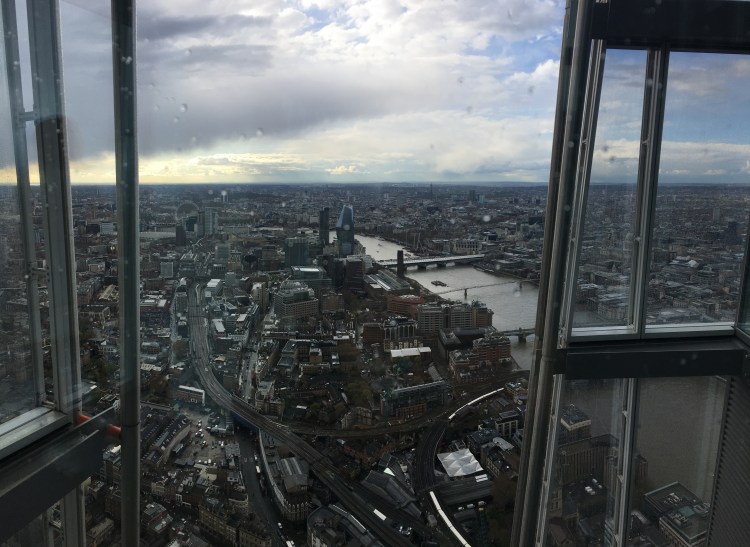
The View from the Shard (£32)

The Shard is the tallest building in Western Europe. It’s called The Shard because the top is kind of jagged, like a shard of glass.

A view OF The Shard – the tallest building across the river.

I’m a sucker for a good view, but I just couldn’t bring myself to pay £64 (for two people) to go to the top of a building. I mean, we only payed £55 (for two) to go up the Burj Khalifa – the tallest building in the world. See my problem?

Lucky for me, it was a non-issue because it’s included in the pass!

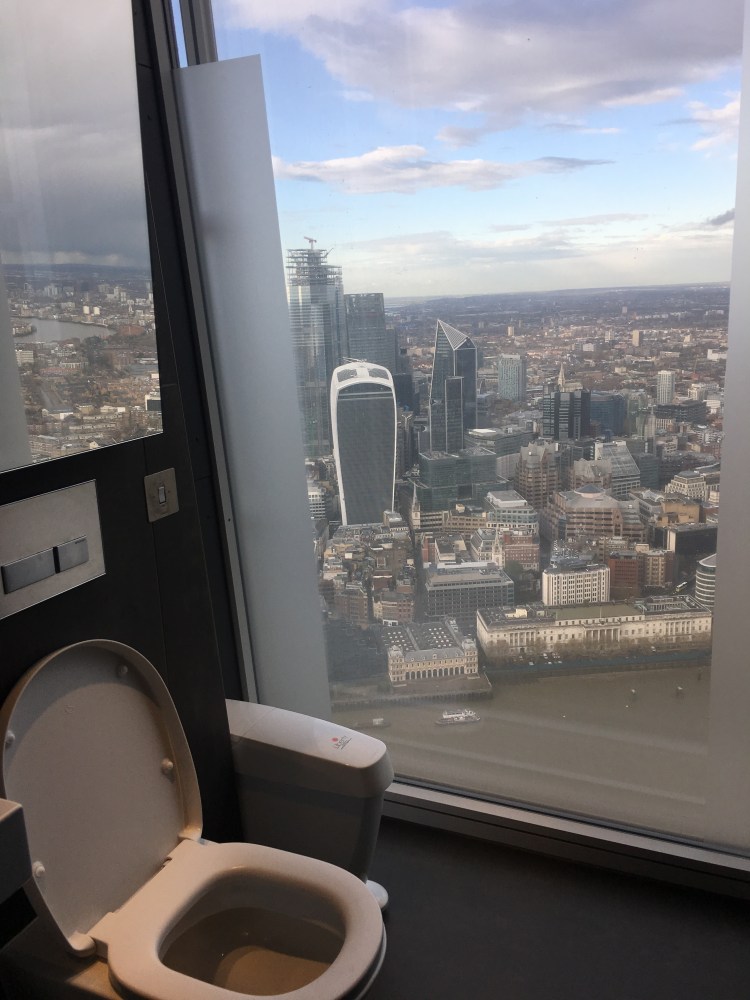
And, even if you don’t have to, go to the restroom at the top. #loowithaview

Disadvantage:

You have access to *almost* all of London’s major attractions.

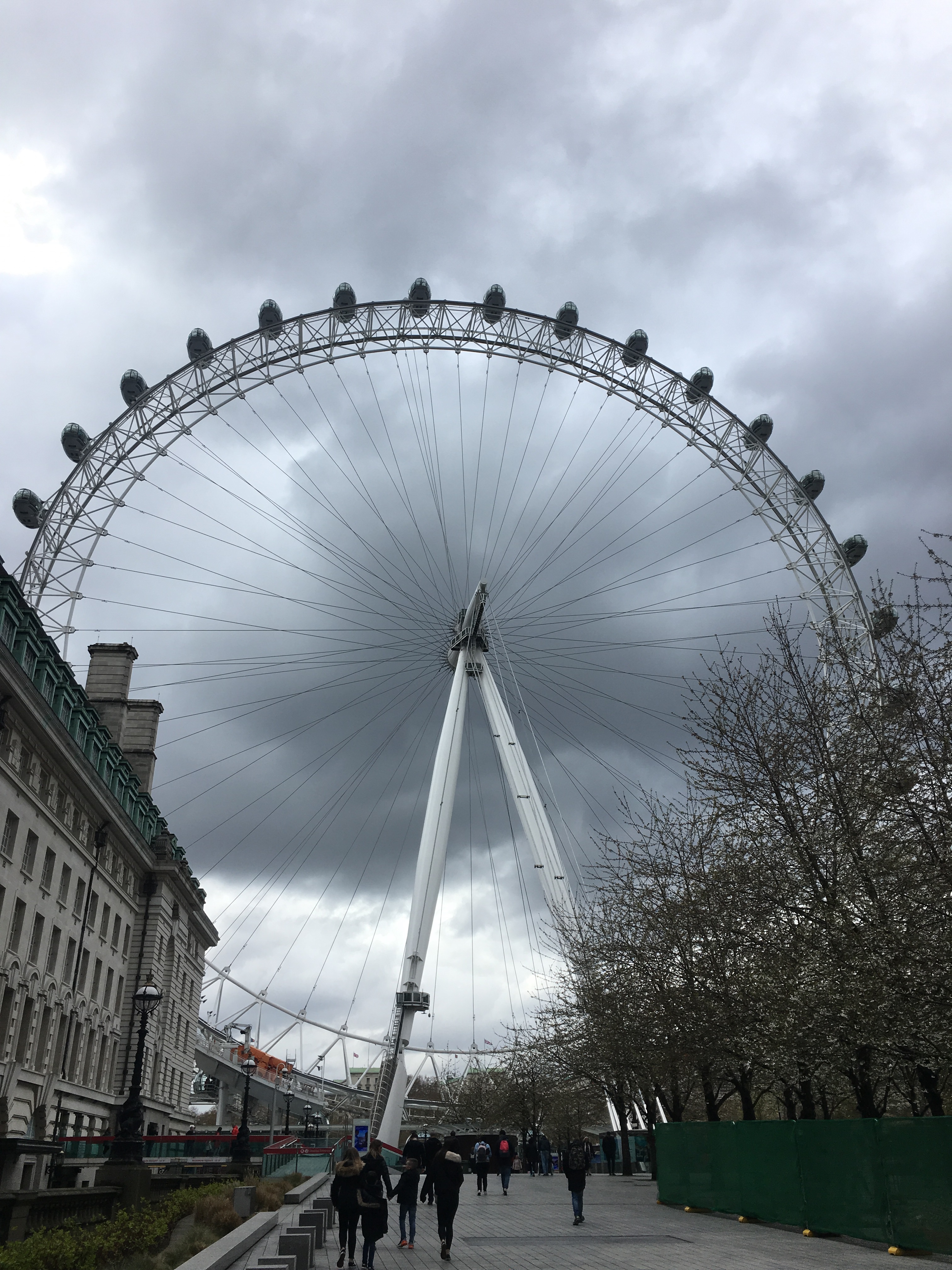
Unfortunately, Buckingham Palace and the London Eye are not included in the pass.

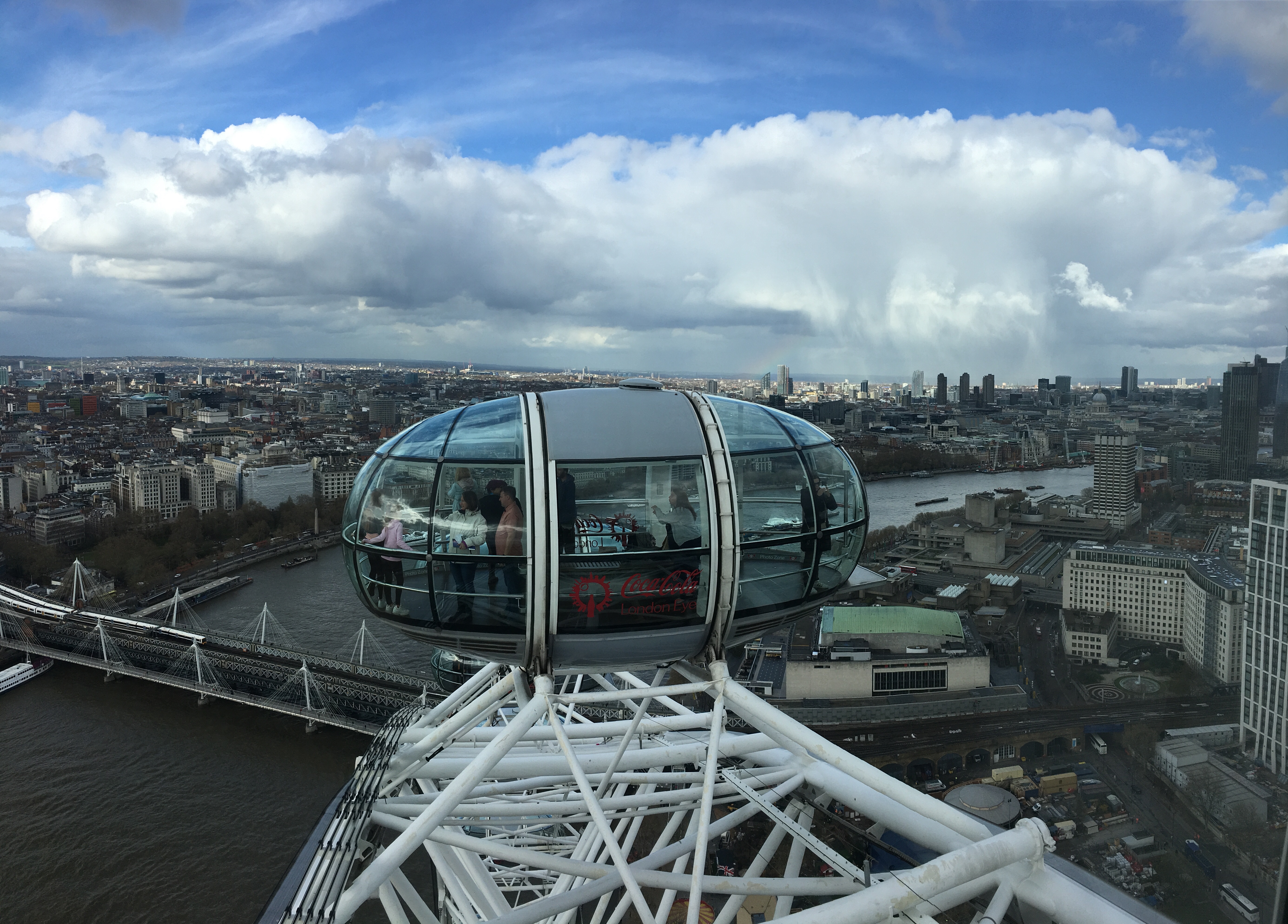
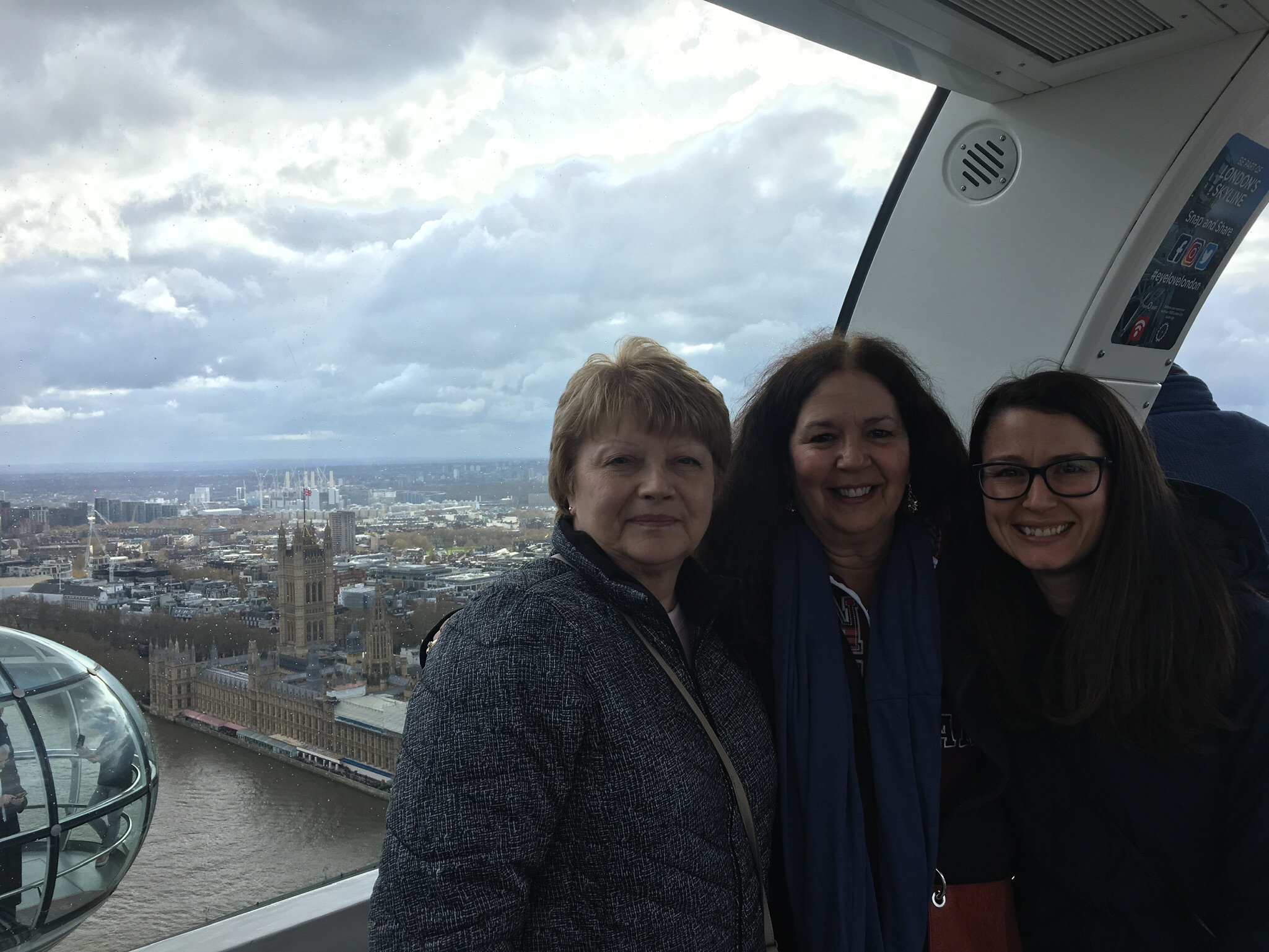
We did have a stop from the hop-on hop-off tour in front of Buckingham though, and chose to pay extra to ride the Eye.

Buckingham Palace.
Mom and I took the “portrait mode” directive a little differently… ha!

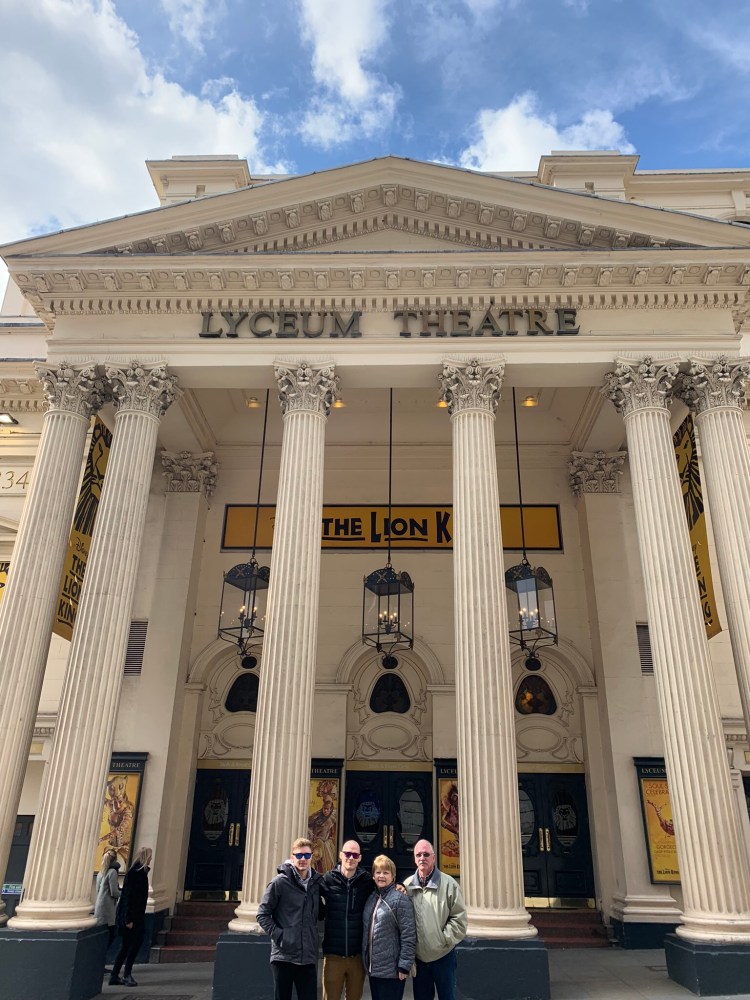
And, if you’re interested in the theater, tickets are not included in the pass, but you are entitled to a discount – up to 25% off! We checked off one of Shane’s lifetime bucket list items and saw The Lion King. It was INCREDIBLE!

Advantage:

Mobile Pass Access

Just download the London Pass app and you’re ready to go! I say this as an advantage, because if you lose the physical card – for instance, on the tube like this suave guy below did – then you’re kind of screwed. My advice, especially if you’re prone to losing things: do the mobile version!

Disadvantage / Advantage:

The Price

It’s a double-edged sword. In my opinion, the pass itself is expensive, but then again London is an expensive city. We had 5.5 days in London, so we bought the 6 day pass. For this amount of time, I think the price was reasonable (~£135 pp); by day 4 we had made up for the price of the pass without having to kill ourselves to make it worth the money. For one or two days, I’m not so sure.

It does seem like it goes on sale quite frequently, we bought it with a 20% discount at the time, so if you’re considering it then watch for sales. And, the more days you purchase the cheaper the price is per day.

In summary – I’d buy it again.

There are other great things included that we didn’t do for various reasons: Hampton Court Palace and Windsor Castle if you’re looking for a day trip, or a bicycle tour and a walking tour if you’re feeling active.

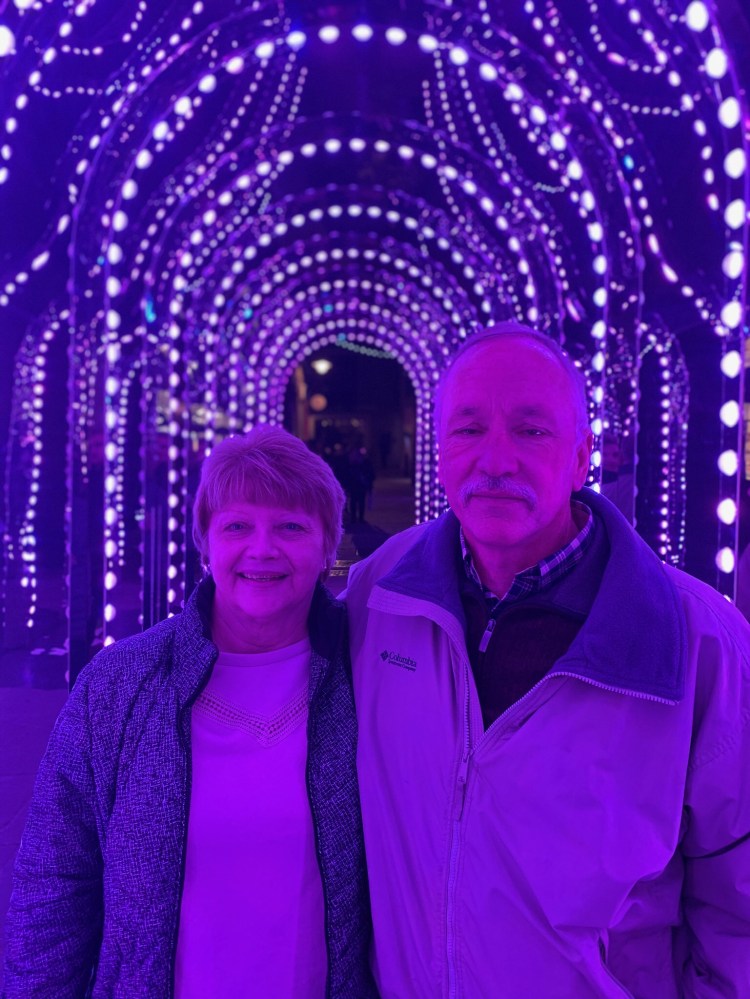
Whatever you decide to do, next time you’re in London you should find this light tunnel because it was magical.

Tot ziens,

Whitney

5 Reasons to Love Groningen, the Netherlands

I can’t quite believe what I’m writing, but this weekend marks our 5th Dutch-iversary!

The whole reason we sold all our stuff, packed up the cat, and moved across an ocean was for Shane to start a Ph.D. program at Rijksuniverseteit Groningen (aka: the University of Groningen). I’m beyond thrilled / proud / insert other overly excited adjective to say that on March 29th, 2019 this goal was realized, and Shane officially became Dr. Wright!

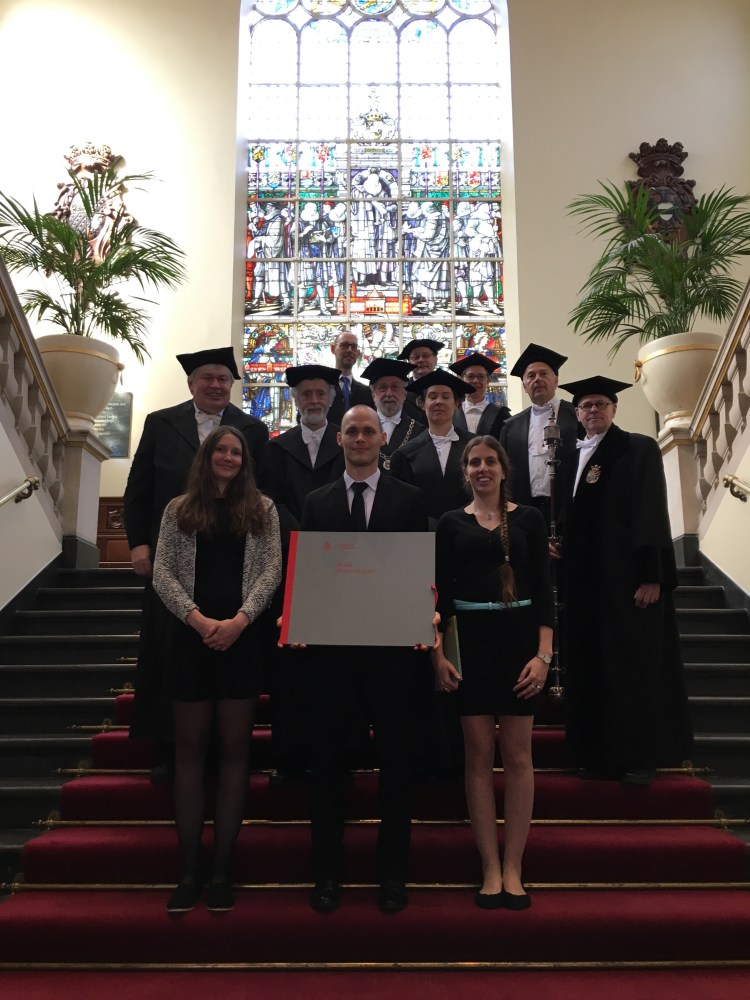
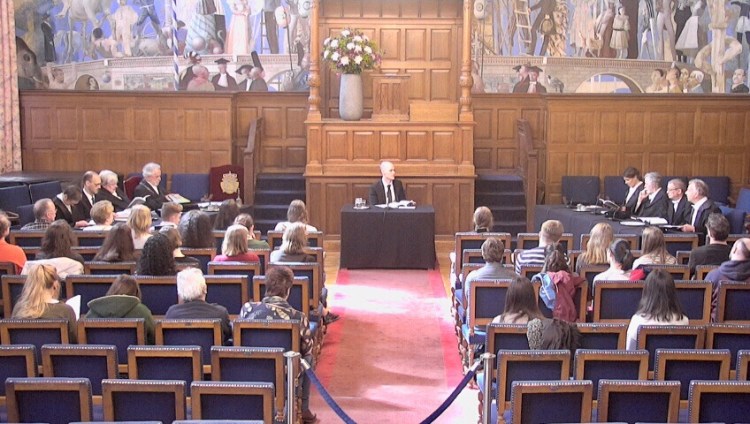
Dr. Wright with his paranymphs and examination committee.

In honor of the newly-minted Doctor and our 5 year Dutch-iversary, I thought I’d give you 5 reasons why Shane loves Groningen, the largest city in the north of the Netherlands.

One : Rijksuniversiteit Groningen.

The University of Groningen.

I think this one is self-explanatory: it gave him his degree!

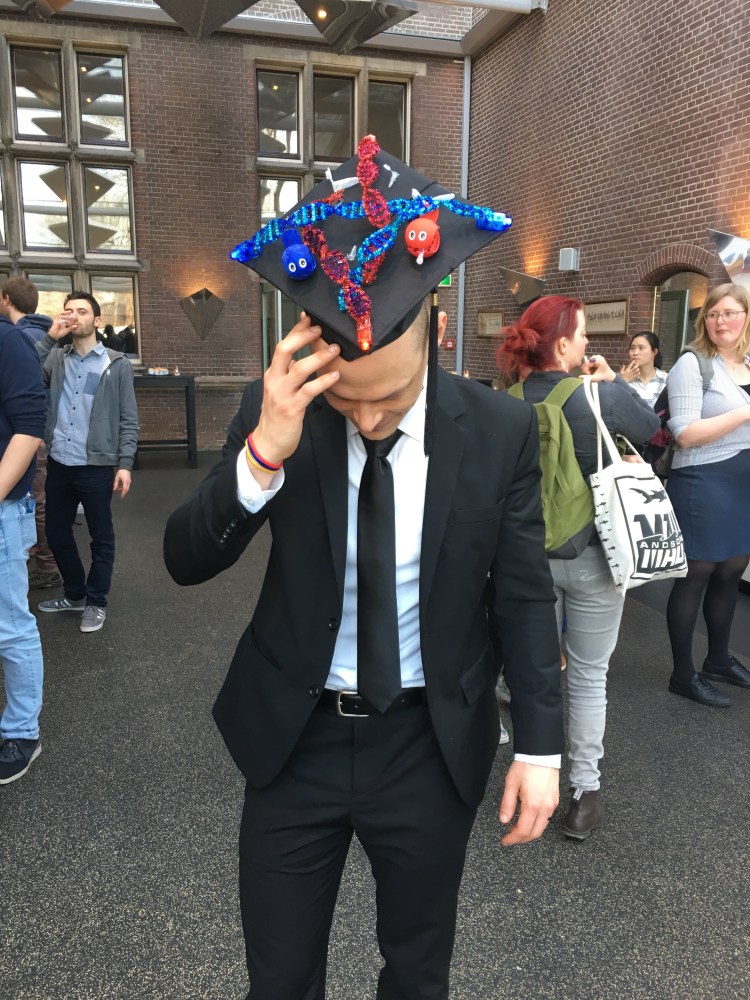
His lab mates gave his this beauty of a graduation cap though…

And, I should be clear. They didn’t just give him a degree. After 4 years of research, submission of a 200 page book, and a 45 min question/answer session from an 8 person committee in front of the public they declared him a doctor!

The defense – the final piece to earning that Ph.D.!

Aside from this, the university can really be considered the heart of the city. It was founded in 1614 and is the main employer (between the university itself & associated hospital) of Groningen.

Can we just side-step for a second back to the founding year?

1614.

Maybe this is nothing for some of you out there, but as an American, to think that this university is more than 100 years older than our COUNTRY will never cease to amaze me. And, they’ve had some notable alumni and faculty over the years. For instance, Aletta Jacobs – the first female physician in the Netherlands, founder of the first birth control clinic, and advocate for women’s suffrage. More recently, Ben Feringa, who won the Nobel Prize in Chemistry in 2016.

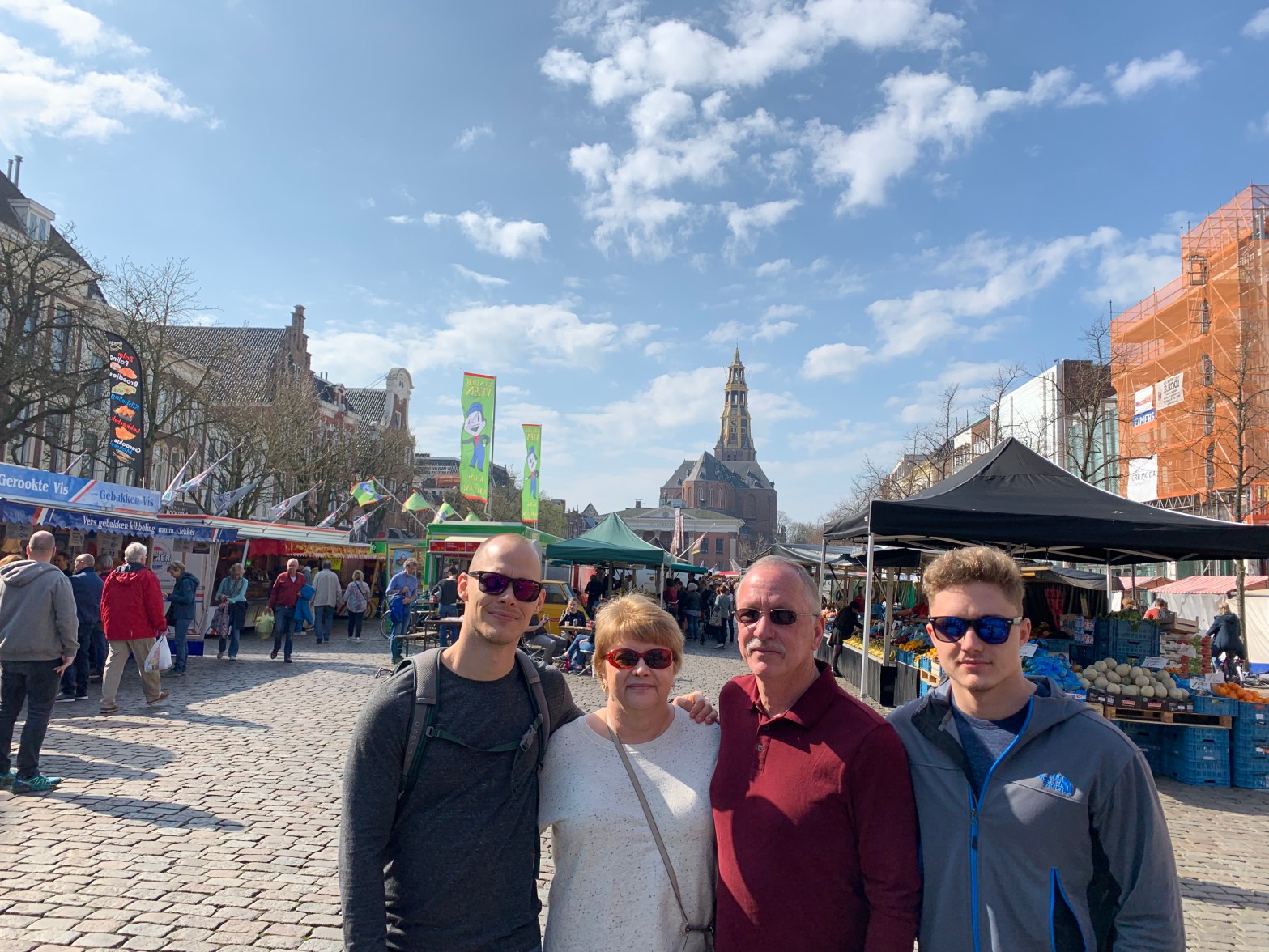
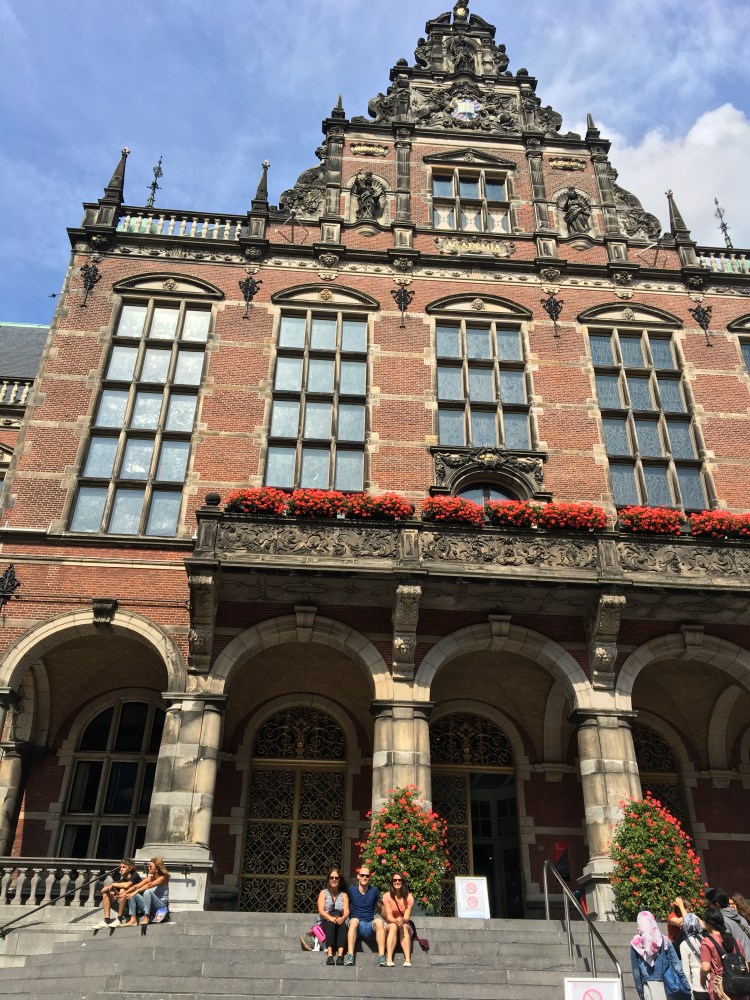
Mom, Shane and me in front of the Academy Building.

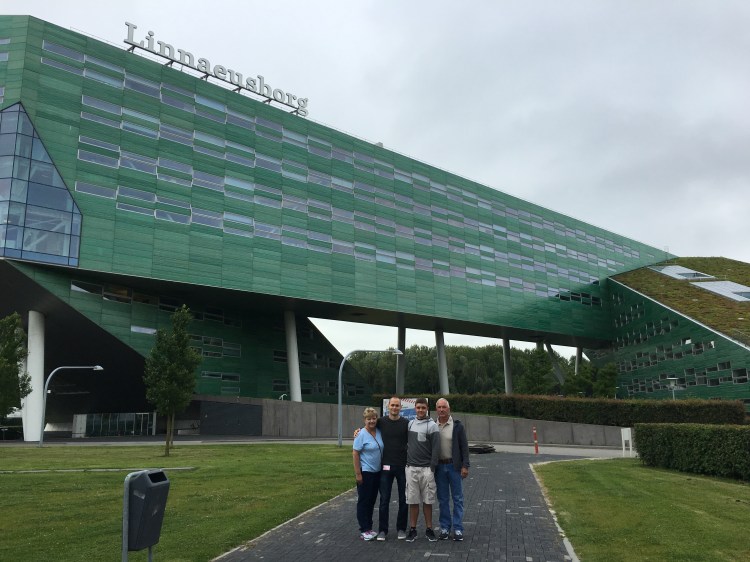
The Academy building, pictured above, is one of the older university buildings and the location of Shane’s Ph.D. defense. This building is in stark contrast to the modern building where Shane worked; the varied architecture is another reason why he (and I) like the university so much.

The “green building” on the university’s Zernike Campus was Shane’s day to day work spot.

Two: Biking

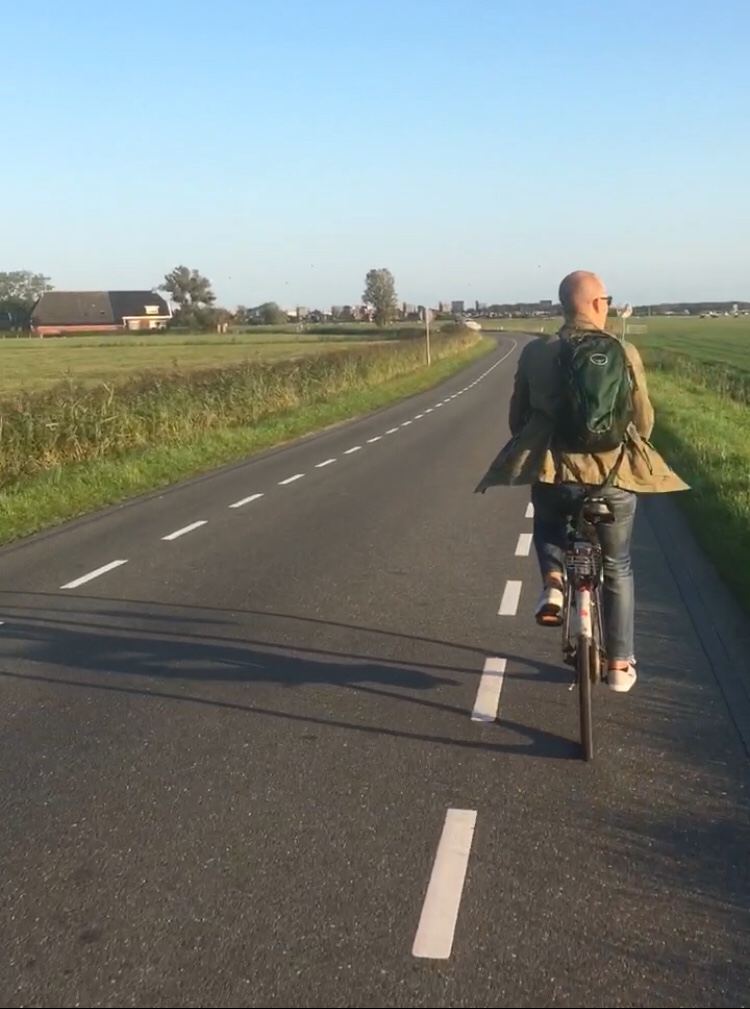
Bikes are everywhere! This isn’t new – we’ve talked about this before – but it certainly is one thing that we’ve both grown to love the most about living here. Especially because the city has been built to be more bike and pedestrian friendly than car friendly.

Bikes in the Grote Markt of Groningen city center.

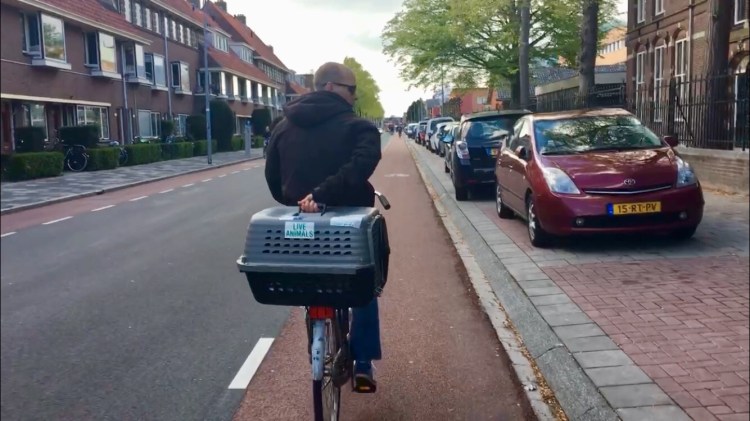
Shane’s gotten pretty good at biking over the years – I guess that happens when you have to bike 15 min one way to get to work. In the winter, he can bike just about all the way to work with his hands in his pockets & has learned to carry a variety of things on the back of his bike: crates of beer, luggage, the cat…

Three: The Market

Ahh, our beloved market.

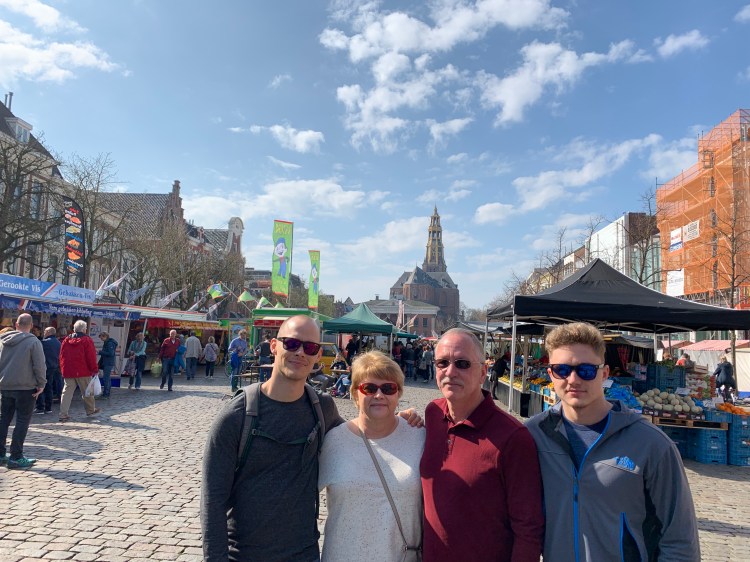
Every Tuesday, Friday, and Saturday “the market” takes over the Vismarkt (Fish market) in Groningen. Food wise, you can find just about anything you need here and considerably cheaper than the grocery stores. Meat, fish, fruit & vegetables, cheese, nuts, baked goods… I could keep going.

My number one recommendation for anyone moving to or visiting Groningen is to go to the market. You will not be disappointed.

Four: Konbu Street Food & Martinus Brewery

We don’t eat out very much, but if we do our go-to place is Konbu Street Food.

It’s a Southeast Asian restaurant (which we discovered BEFORE our trip to Southeast Asia! ha) located on the Oosterstraat in city center. In my opinion, one thing Groningen lacks are moderately priced restaurants with quality food, but Konbu fits this description perfectly. The main dishes include varieties of pho, ramen, and bun, but don’t skimp on the appetizers. You have to order ‘Something’ (a cheeky name for the spring rolls) & the kimchi pancakes!

Top it all off with a Lucky Buddha (rice) beer & Shane is one happy camper!

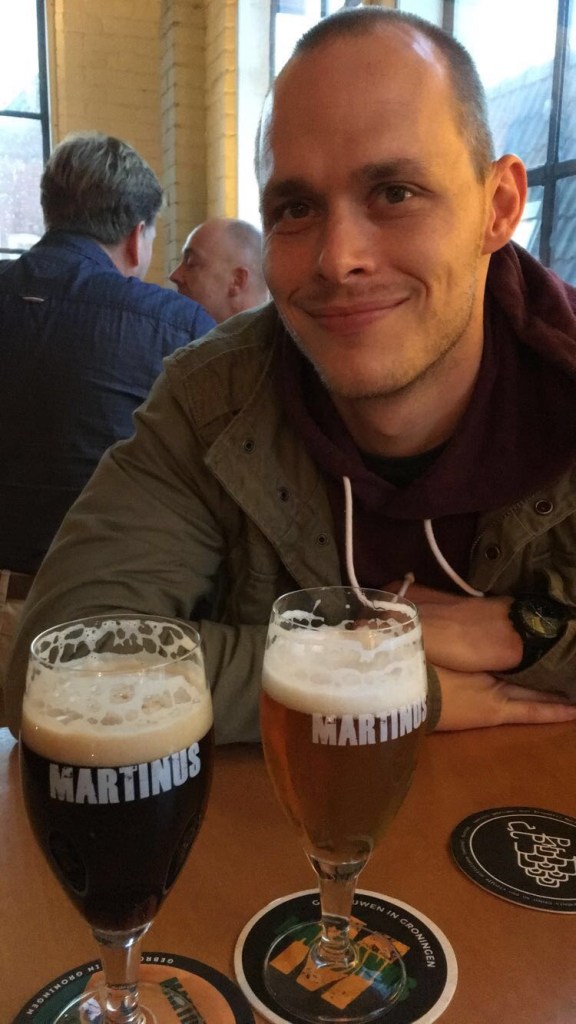
Another Shane favorite is Martinus Brewery.

Tucked away on a side street towards the outskirts of city center, this Groningen based brewery is only a 10 min walk from our house and is quite ‘gezellig’ (I’ll let you look that one up…).

With a nice terrace, cozy tasting room, and tasty quadruples (Shane’s favorite) it’s a fun place to go when we want some special beer.

Five: Climbing

Last but certainly not least! If I’m being honest, it should probably be moved to first…

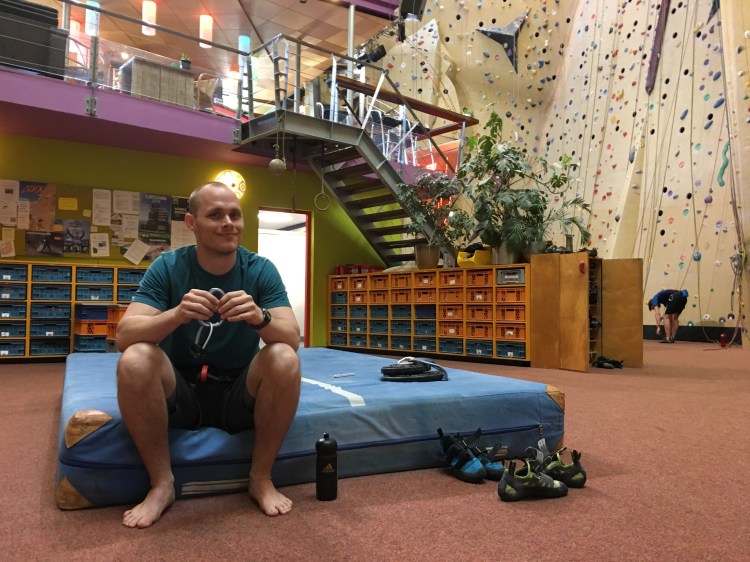
We’ve discovered climbing! I think it’s safe to say it’s his favorite activity now.

This may come as a surprise considering the size of the city (only ~200,000 people) but Groningen has three climbing gyms.

The first is part of the university’s gym (ACLO); I wasn’t allowed to use this since I wasn’t associated with the univeristy, but regardless it’s there.

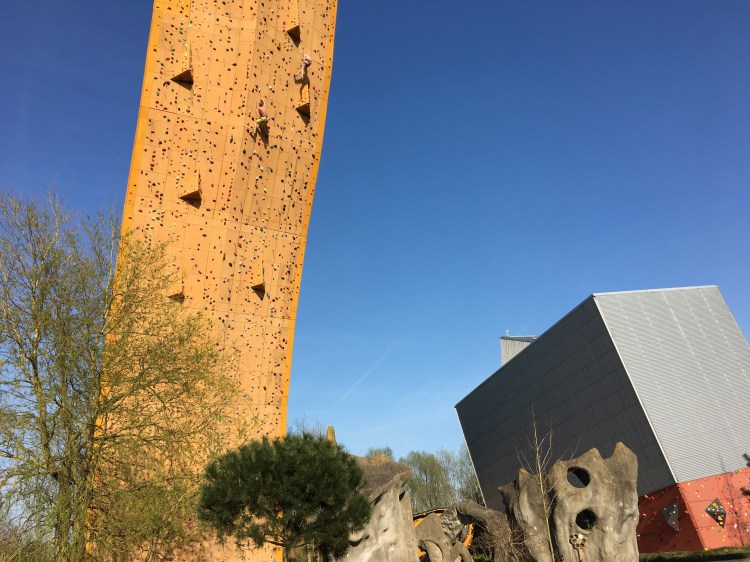
The 2nd is Bjoeks, located in the Kardingen sport complex about a 20 min bike outside of city center. This is where we got our climbing certifications! This gym is mostly route climbing with some (advanced level) indoor and outdoor bouldering options. I think what Bjoeks is most famous for is Excalibur – the 37m high (with 11m overhang!) climbing tower!

It’s so tall, you can’t see the top (indoor climbing hall to the right of the tower – for scale)!

At one point, Excalibur was the tallest climbing wall in Europe. This may still hold true, though I’m not entirely sure. To climb the front – with the overhang – you should be an advanced climber & lead-climb certified. Needless to say, we haven’t climbed this yet! In the summer months you can top-rope climb the back (easier) side of the wall so hopefully we can check this off our Groningen bucket list in 2019.

And, just a heads up for anyone who dares… there’s a 1000 euro prize waiting for anyone who climbs the 9a route on the overhang side set by Jorg Verhoeven back in 2017. I haven’t yet heard of anyone accomplishing it…

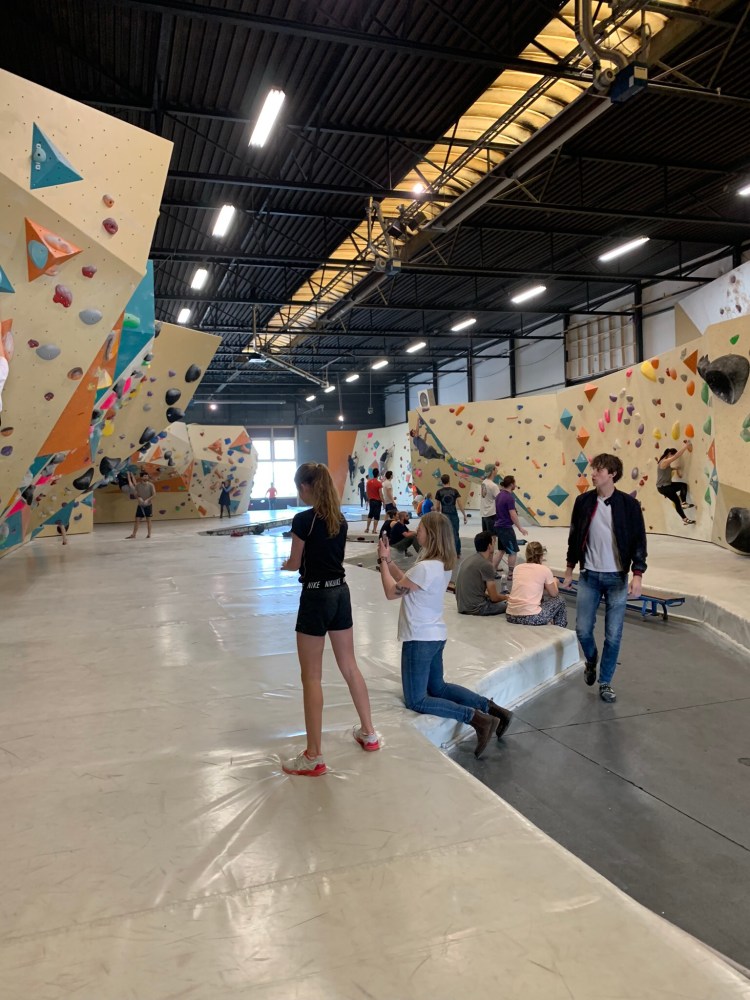
The third (and our current gym) is GroPo Bouldering Gym, newly opened in 2016.

Bouldering is a completely different style of climbing as compared to Bjoeks; the main difference being no ropes or belayer required. The ‘problems’ are shorter and only tall enough to be a safe jumping/falling distance.

This is nice for us right now, since you don’t need a partner to go. Shane will be heading to Corsica for field work (potential new research project!) during the month of June. I’ll be here getting really good at bouldering…

It’s safe to say that Shane has all the indoor climbing options he could want!

It’s uncertain the amount of time we have left in Groningen – the next step for Shane is to find a postdoctoral position in a lab where he can start developing his own research ideas to eventually run his own academic lab. But, that’s for future Shane and future Whitney to deal with. For now, we will just enjoy this city while we have it!

Tot ziens,

Whitney

Snowboarding: Jasna, Slovakia

I’m going to tell you a story about our wintersport holiday!

…wintersport holiday. Can you tell we live in Holland?

Since we’ve just come back from our month long adventure in Cambodia and Vietnam, we really only had two goals: snowboard & snowboard cheaply.

Turns out, Eastern Europe has plenty of good snowboarding if you’re willing to sacrifice piste kilometers, and since we were looking at a 3 day trip that’s exactly what we decided to do.

Shane originally found Jasna, Slovakia on an Apple News article talking about “little known ski areas” – something to that extent. Once Jasna was on the radar, I started researching.

Turns out, there’s not much out there on snowboarding in Slovakia.

I’m here to change that, folks! So here we go.

First up, my go-to snowboarding specific website, World Snowboard Guide, gave Jasna a 7/10.

For real, if you don’t know about this site then you need to. It gives you the whole run down of how each mountain ranks specifically for snowboarding. It’s how I found Livigno, Italy last year and where I generally start planning trips. For us, anything 7 and above is a winner!

How to get there:

There are three nearby airports: Propad (Slovakia), Krakaw (Poland) and Vienna (Austria). Propad being the closest, but appeared to only be serviced by carriers originating in the UK.

For us, coming from Amsterdam, the best option was to fly to Krakaw and drive ~3 hours to the mountain.

We flew with KLM for ~180 euros per person including 1 extra checked bag for the gear. KLM allows you to check a ski or snowboard bag with not additional fees, which is quite handy.

See ya, Holland!

A car rental from the Krakaw airport from Wed – Sun was ~60 euros, which we were thrilled about! What we were not so thrilled about was the 200 euro fee to cross the boarder from Poland to Slovakia. If you rent a car in the Netherlands you could literally drive the thing TO Slovakia and they could care less, so this was really a surprise for us.

Consider yourself warned! If you rent a car in Poland you will be charged a fee to cross the boarder!

Our handy dandy car rental that perfectly fit all our crap!

Where to Stay:

This was a tricky one for me. We were trying to keep it cheap, so staying on the mountain itself was definitely out. You can stay in what looked like gorgeous ski in-ski out lodges and spas on the mountain, but you’re also going to pay a hefty sum for that.

We also are grown-ass adults and weren’t trying to stay in a dirty run-down hotel. Balance, ya know?

We settled on Penzion Routunda which is located smack in the center of Liptovský Mikuláš; the closest town to Jasna Chopok – the main mountain. 160 euros got us 4 nights in a 1 bedroom apartment with free parking, enough room to store the gear, and enough kitchen to cook breakfast before we headed out.

Staying in the center of Liptovský Mikuláš was a great option. There were plenty of restaurants for dinner and a grocery store nearby. You, of course, won’t find your typical après-ski, but for us having some cold beer and a snack at home before we ventured out to dinner worked perfectly.

You can buy beer by the 1.5 LITER in Slovakia!

The Mountain:

Ahh.. and on to the good stuff. The mountain itself!

Jasna Chopok is located ~15 min driving from Liptovský Mikuláš. A ski bus is available, but we could never find a clear ski bus map with pick up locations or times so we decided to drive.

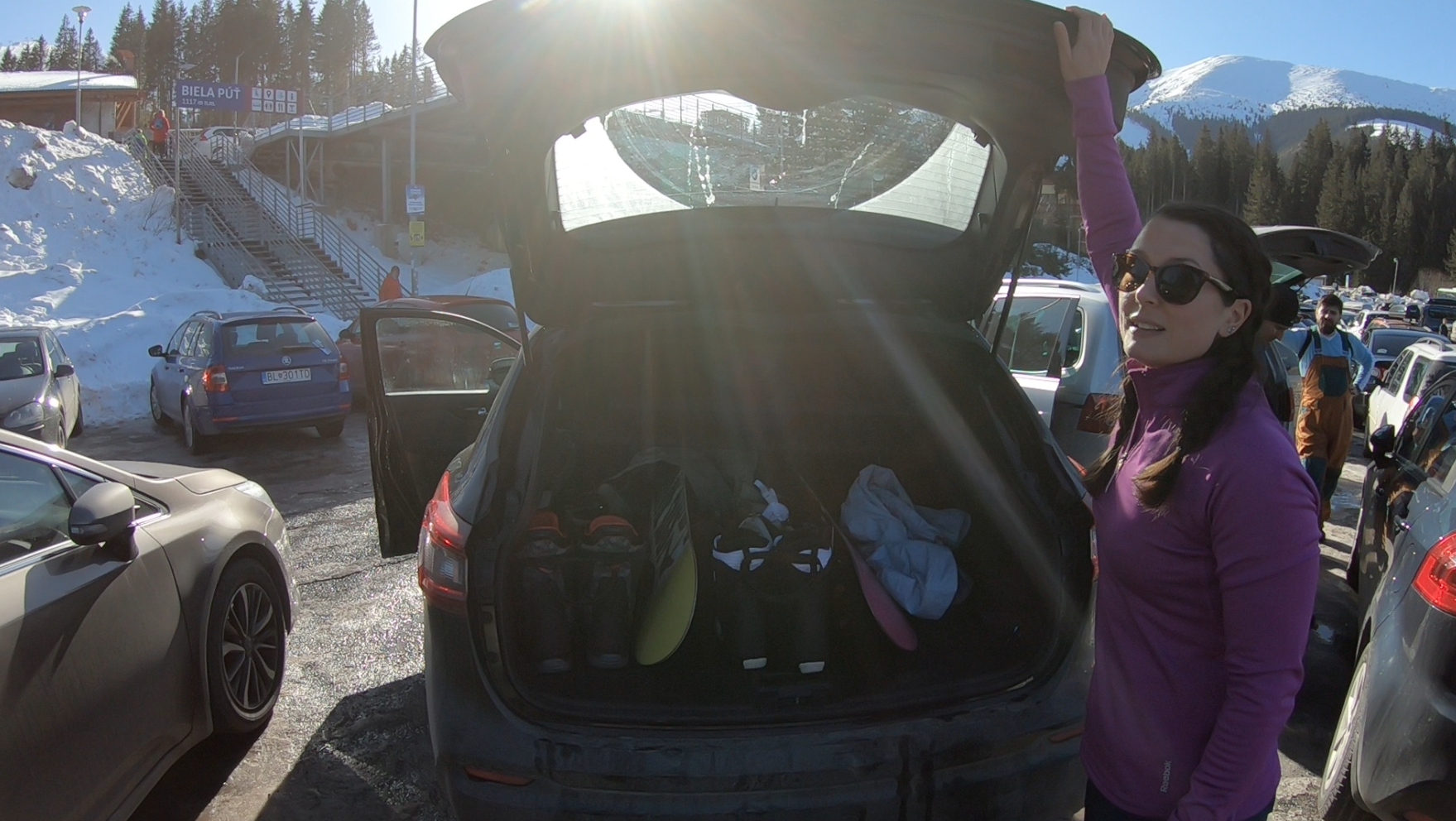
The first day we were a little late out the door – lifts opened at 8am and we were on the road probably at 8am. If you want good parking, don’t do that.

It was fine. There is parking (P4) at the bottom of the mountain and a shuttle bus that takes you up, but the shuttle is jam packed and only ran every 45 min (?!?!) and when you’re tired and ready to go, you’re tired and ready to go!

The next day we got our sh*t together and were in the P1 parking lot – the closest one to the main lift – by 7:15am.

Even made it in time for a pre-lift pick-me-up.

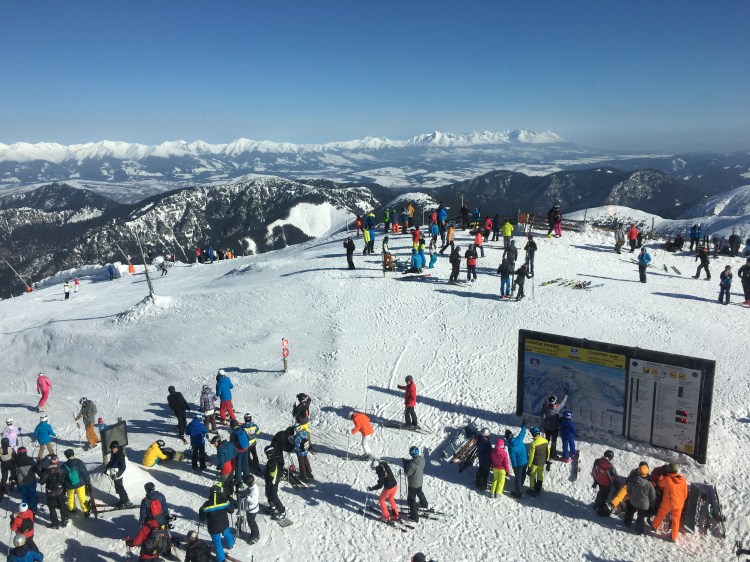
As for the snowboarding… it was perfect for a 3 day trip.

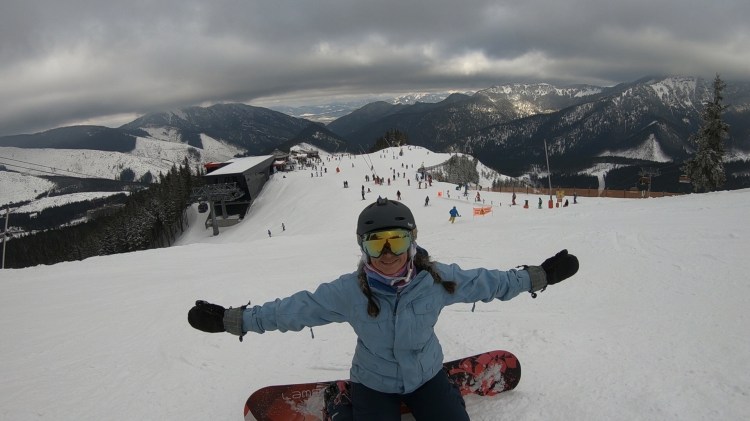
This is the first year that I can truly say I’m a proper snowboarder. I can finally handle my own and enjoy a good fun park!

…there were no fun parks in Jasna.

Ok so there was one small section, but the only access was a terribly slow lift or the bain-of-a-snowboarders-existance: the tow rope.

I would say most of the pistes were intermediate level. Shane, who’s been snowboarding for much longer than I have, might say otherwise. Regardless, after three days we had fully explored the area, and if we stayed longer we might have been bored.

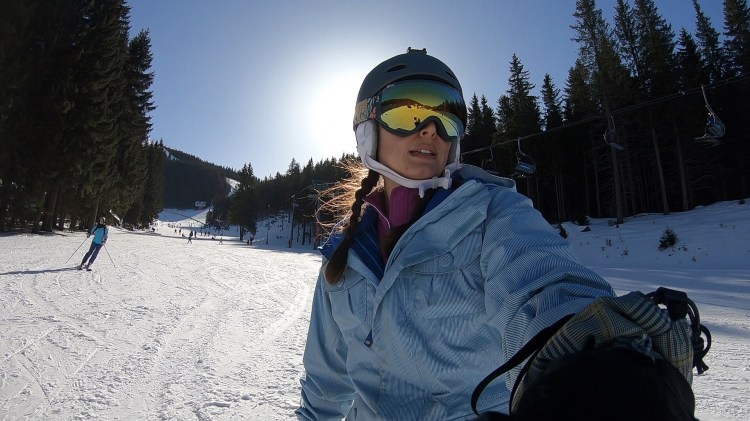
Easy riding meant I could practice my snowboarding selfie skills.

I would also like to disclaimer that my opinion on this would probably be 100% different had we had fresh snow. The entire back-side of the mountain was essentially off-piste, but since there was no new snow it was all ice and unusable.

We were able to sneak out a few good powder runs on the first day after ~10cm from the night before, but to get there, we had to brave the white out…

So,

Was Jasna worth it?

Yes.

A 3 day lift pass was 90 euros per person – a fraction of the cost for a 3 day pass somewhere in the alps. Our total expenses (excluding food and drink) were 620 euros including our surprise boarder-crossing fee. The average dinner for two (including drinks) was ~20 euros. Compared to your average ski holiday in Switzerland, Austria, or France – it’s a steal.

I would also highly recommend Jasna to anyone who’s learning, or who might take kids. There’s plenty to keep those who are more experienced entertained, while letting the newbies gain some confidence.

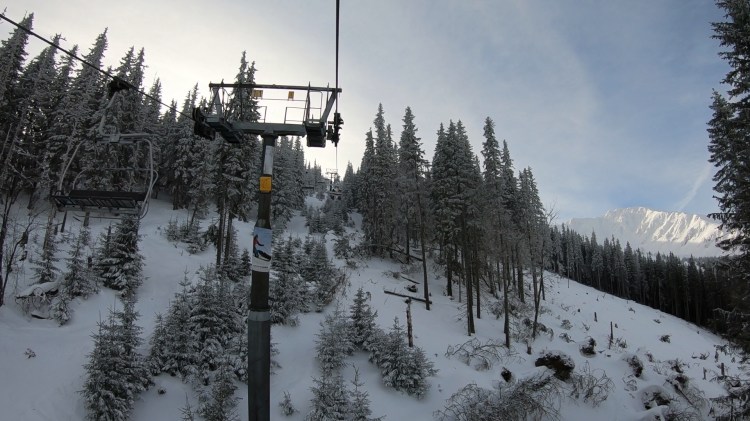
And of course, had there been fresh snow, the off-piste area would have been amazing! Instead, I stared at it with envy from the gondola…

Biggest downside? No funpark. I was looking forward to landing some sweet jumps (and by jumps, I mean baby-sized jumps)! Maybe next year.

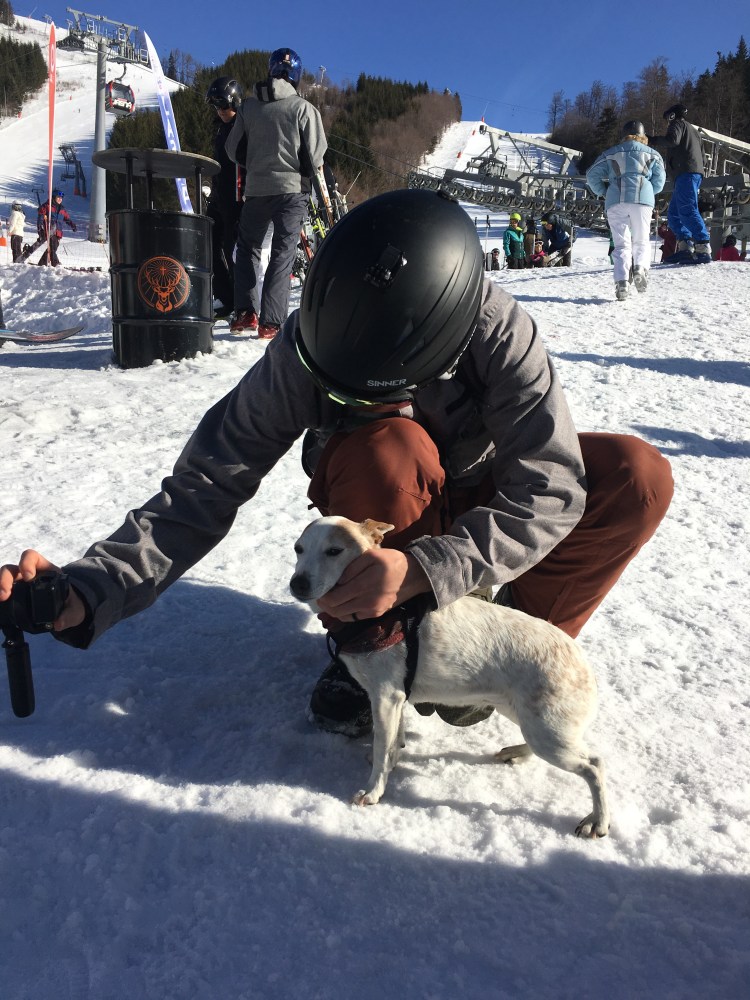
But, Shane found a dog (he named him Pablo) so it couldn’t have been all bad, right?

OH! And here’s the video of our Jasna adventure!

Tot ziens,

Whitney

Reflections on Cambodia & Vietnam

I think it’s time to put a final wrap on our time in Southeast Asia, and what better way to do that than with a ‘reflections’ post!

It’s been 4 months since we hopped a plane from Amsterdam to Phnom Penh, Cambodia (someone needs to step up their blogging speed…) which brings me to my first point.

Double-decker planes would be much cooler if you were in business class.

It was on my lifetime bucket list to fly on a double-decker plane. I’m not really sure why, I think I’m just memorized by the fact that something that large can get off the ground and transport people and cargo thousands of miles. And when I say large, I mean TOO large. Since our trip, it’s been announced that the Airbus A380 will be discontinued. Economy was certainly nice, the legroom a non-issue, and the flight attendants impeccably dressed, but I imagine it would have been an entirely different experience had we been upstairs with full amenities…

But hey, at least I got to see the stairs, right?!

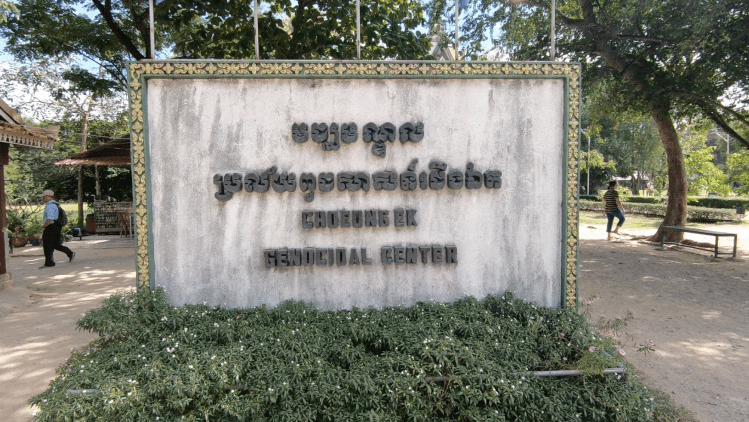
Cambodia has come a long way since the Khmer Rouge,

but they still have a long way to go.

A quick recap, the Khmer Rouge was the name for the communist party, lead by Pol Pot, which ruled from 1975 to 1979. During this time, over 2 million Cambodians died from starvation, disease, or were flat out murdered by the regime.

We learned about this time in Cambodia’s history when we visited the Killing Fields in Phnom Penh, but even more impactful was the Killing Cave in Battambang. Our guide lost his parents at the age of 5 to the Khmer Rouge, and told stories of how kids – his friends – were regularly manipulated into giving information about their (or other) families so they could be tracked down and murdered.

Cambodia has gotten back on it’s feet in the years since the Khmer Rouge was defeated, although you can still see the effects of losing an entire generation of people. Especially so, when the majority of those people were the ones who would have passed down knowledge. You see this day to day in the food (traditional recipes don’t exist like they used to), in the education system (undervalued, underpaid, and corrupt), and in the medical system (the “good” doctors are foreign trained).

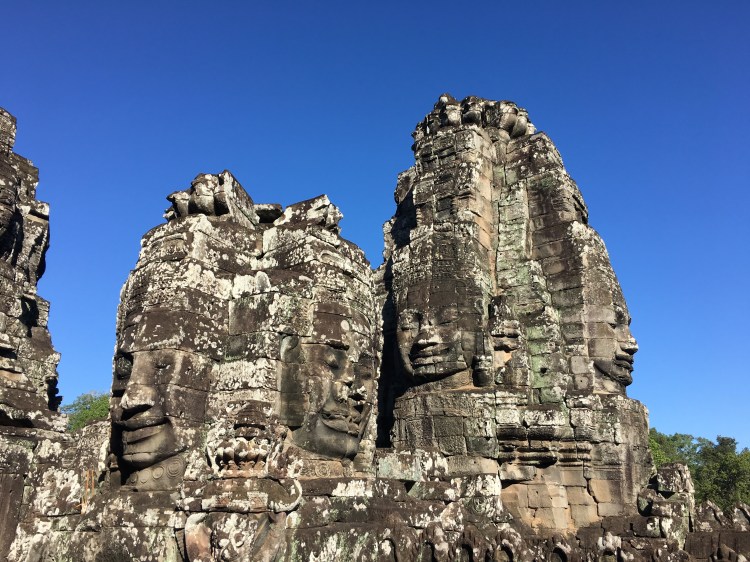
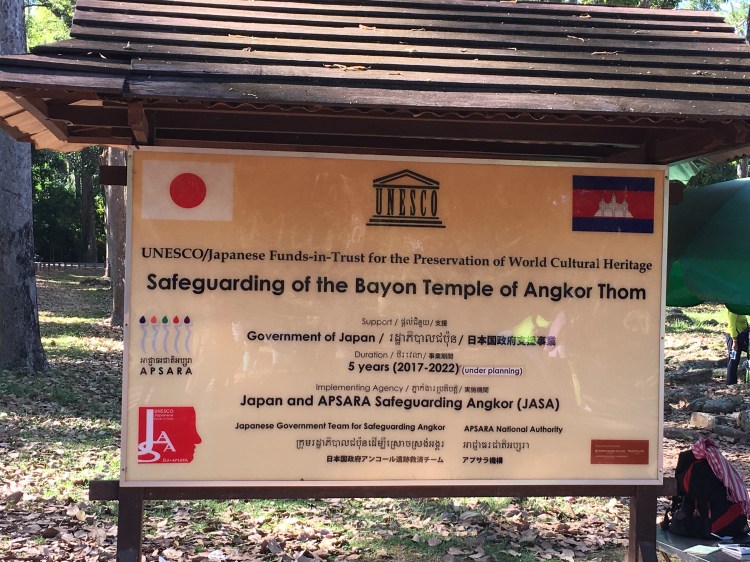
But Cambodia does take pride in it’s heritage and you can see this in the care and preservation they put into their temples like Angkor Wat and Angkor Thom in Siem Reap (although, money is tight so other countries sponsor this).

Sunrise at Angkor Wat.
The faces of Angkor Thom.
The Japanese government safeguarding the temple until 2022.

And relatedly…

Cambodia may technically be democratic, but it’s very much a one-party system.

As evidenced by the last general election, where the current prime minister won by a landslide, but when you essentially force the competition out of the running that’s to be expected. And the prime minister makes sure you feel the “support” of his party (CPP) at all times. There are signs everywhere reminding you of CPP.

For instance, notice the sign next to the entrance of the night market?

It’s no surprise that such corruption ultimately holds back the re-development of the country and prosperity of the general public.

Interestingly enough, in Vietnam, despite being a communist country, never once did we feel this looming government presence like you did in Cambodia.

and if you were wondering…

No, the ‘American War’ was not held against us as tourists.

Yes, we (as Americans) know it as the Vietnam War, but in Vietnam (go figure) it’s the American War.

We visited the War Remnants Museum when we were in Ho Chi Minh City, which gave us an entirely new perspective on the war – that of the Vietnamese people. We also visited the history museum while we were in Hoi An, which touched on the war in relation to Hoi An and nearby Da Nang. This was also interesting (and kind of like a punch in the gut) to see how proud the Vietnamese were to shoot down American planes/helicopters and capture the pilots.

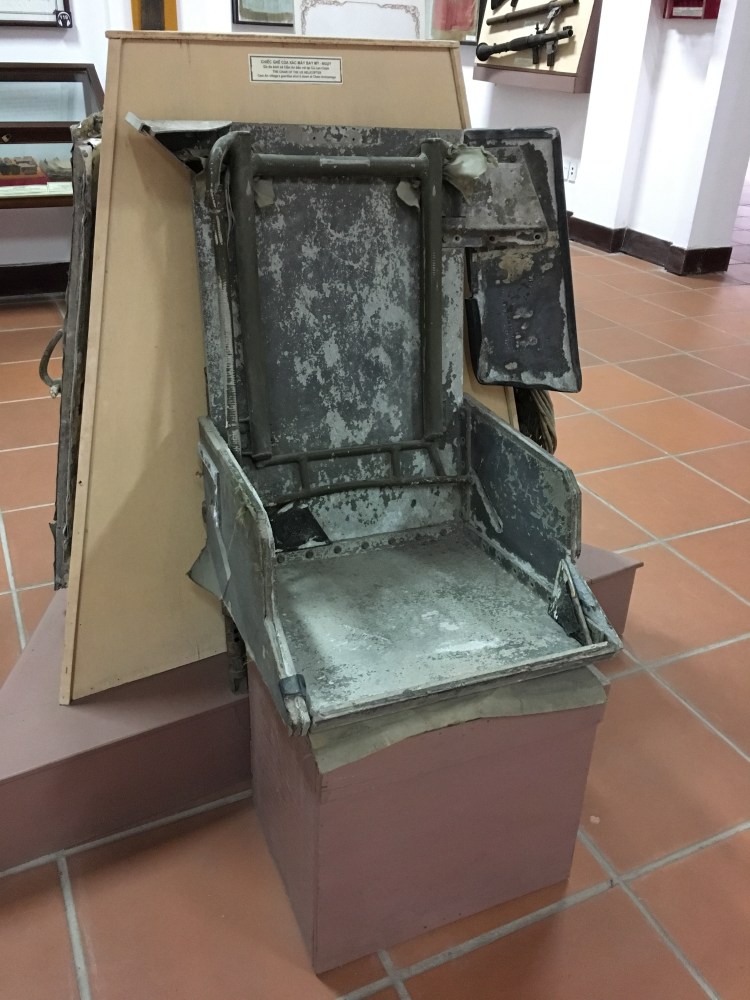
The seat from a US helicopter shot down in near Cam An village – found in the Hoi An history museum.

Despite the atrocities committed on both sides and the resentment the Vietnamese people could rightly harbor, never once did we feel unwelcome or an attitude of hostility. At the end of the day, two governments fighting in the past should not equate to individual hatred today. People are people, and if you, as a tourist, act with kindness and respect then that’s generally what you get in return.

on a lighter note…

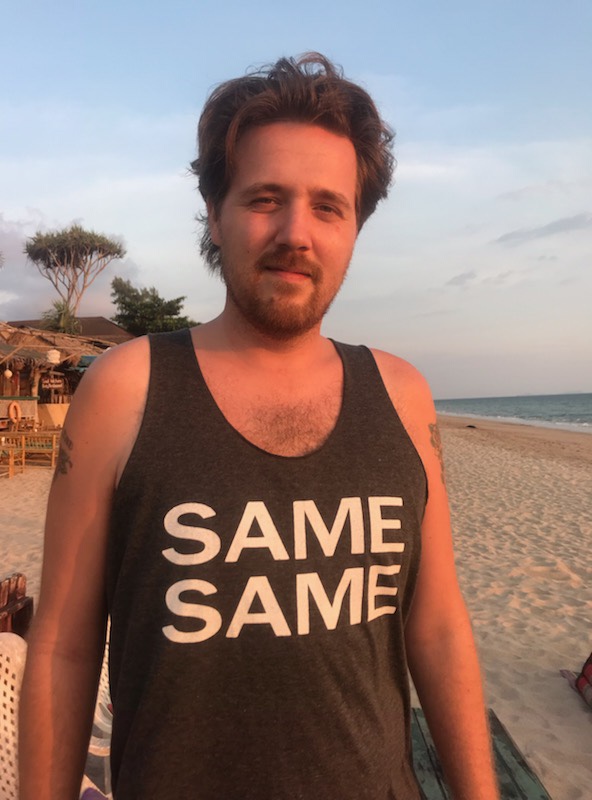
Same same, but different

This phrase turned into the motto of the trip. And in other words, whatever your expectations are while in Cambodia, go ahead and lower them by about 50%.

And honestly, I don’t think that it’s for lack of trying on Cambodia’s part. I think, especially as a Westerner, you expect payment to equal a certain level of the service. So, if you embrace ‘same same, but different’ and change your expectations then you can thoroughly appreciate the experience for what it is!

This was the “light bulb moment” I had in Koh Rong on our boat tour around the island. The day started out not at all how we expected, but we stopped trying to fight it and had a great time.

Driving in Cambodia is my father-in-law’s worst nightmare.

Another motto that emerged on this trip was “embrace the suck”, which was most often used during our road travel in Cambodia. Driving in Cambodia felt like you were in real-life Mario Kart. You slam on the gas to get ahead of everyone else, slam on the brakes to take a corner (avoid a scooter, pedestrian, slow car…), and in the meantime dodge all the bananas (potholes) Bowser keeps throwing at you. It’s not surprising that we ended up on the side of the road on the way to Kampot.

Part of the road on the way to Kampot, Cambodia.

And despite terrible roads (at least in Cambodia)…

Scooters are to Vietnam as bicycles are to Holland

They were everywhere in both countries, but more-so in Vietnam. I never stopped being amazed at the sheer numbers of them. Even their ride-share company, Grab, has an option for you to be picked up in on a scooter.

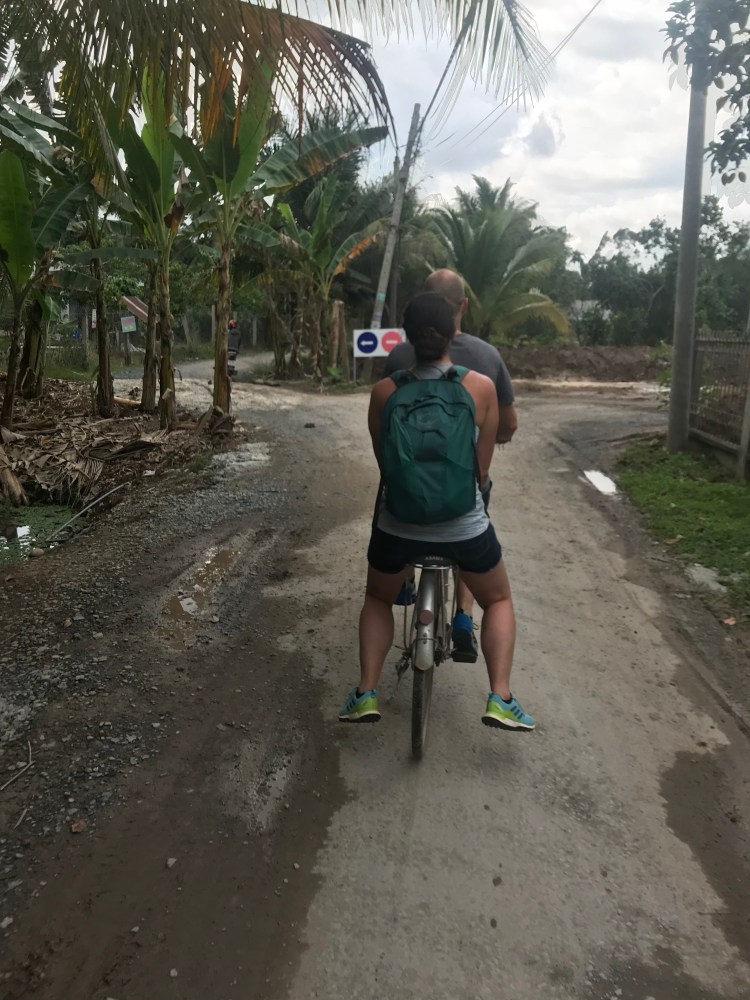
We had good intentions of renting scooters for a day to explore the surrounding areas, but, to be honest, it was a little overwhelming to think about trying to do that in the cities (since we aren’t experienced scooters) and when we were in Hoi An, Vietnam the weather wasn’t in our favor. Scootin’ in the cold rain wasn’t so appealing. We did have a small scootin’ excursion getting to and from our guest house in Ben Tre, Vietnam – I guess that will have to suffice.

Your normal commute in Ho Chi Minh City.

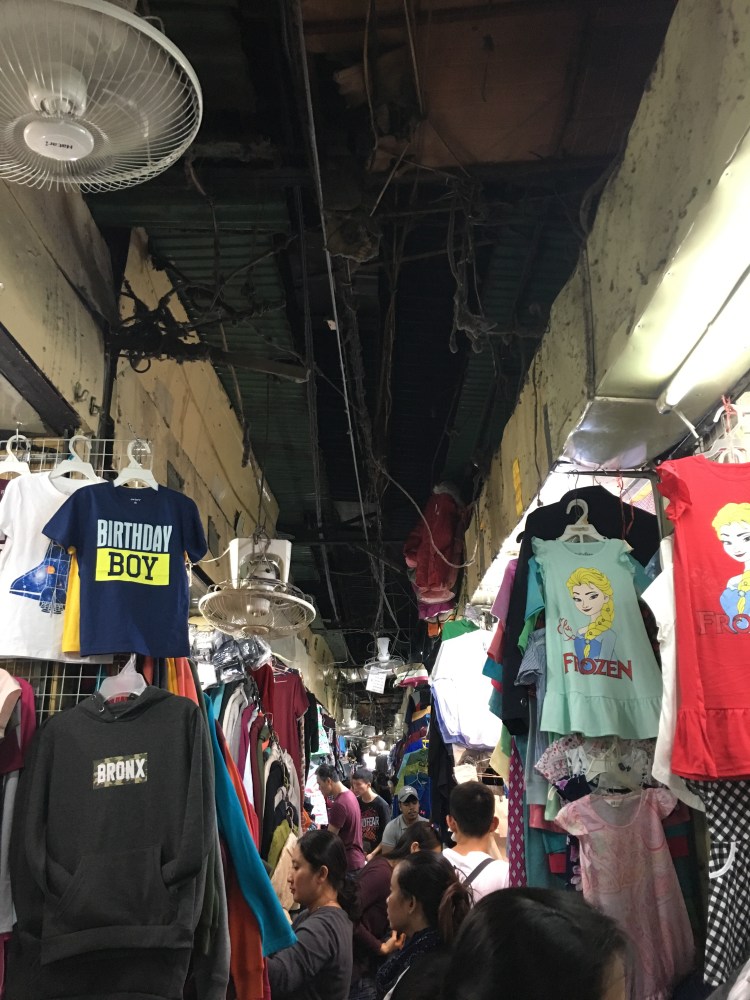
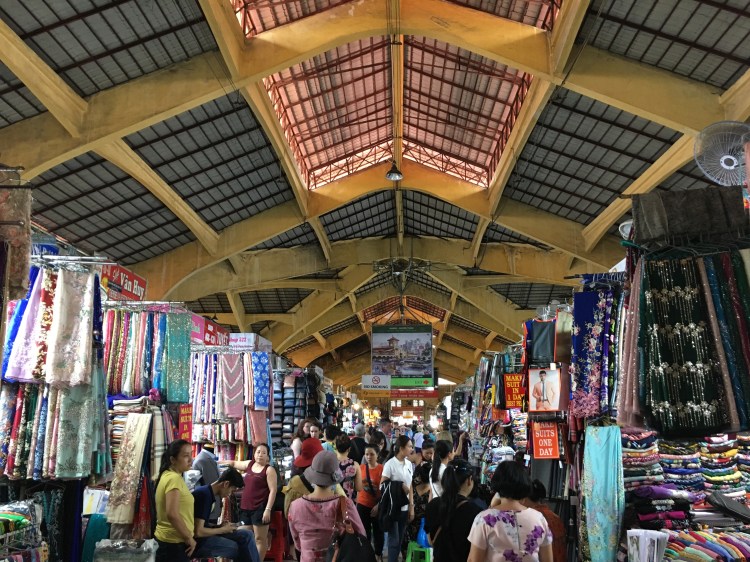
If you’ve seen one market, you’ve seen them all.

That’s not to say you shouldn’t check them out! You can find the typical souvenirs (elephant pants, anyone?) but also less mass produced items. And, it’s a chance to really see how locals shop as there’s generally a meat/produce/food section.

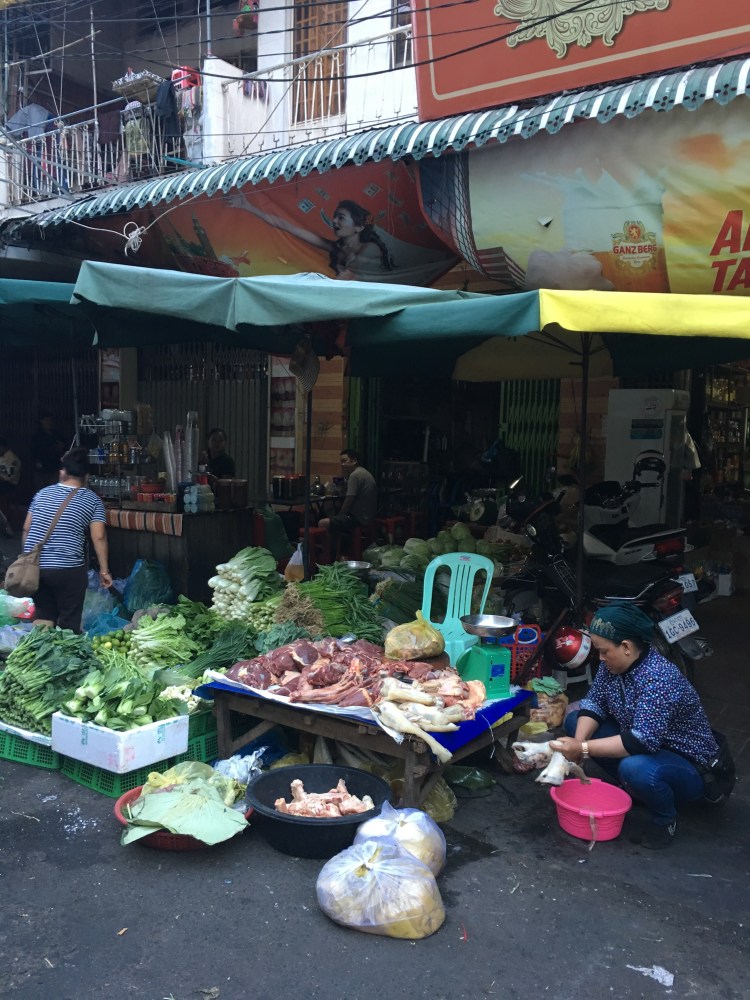
I’m all for the market shopping life (it’s how we primarily shop in the Netherlands), but I did have a hard time with the meat. No refrigeration and out all day…

Oh, and put your negotiating pants on and be prepared to get haggled. It’s just a fact of market life. It can be kind of overwhelming, but you might also end up with a badass shirt for cheap.

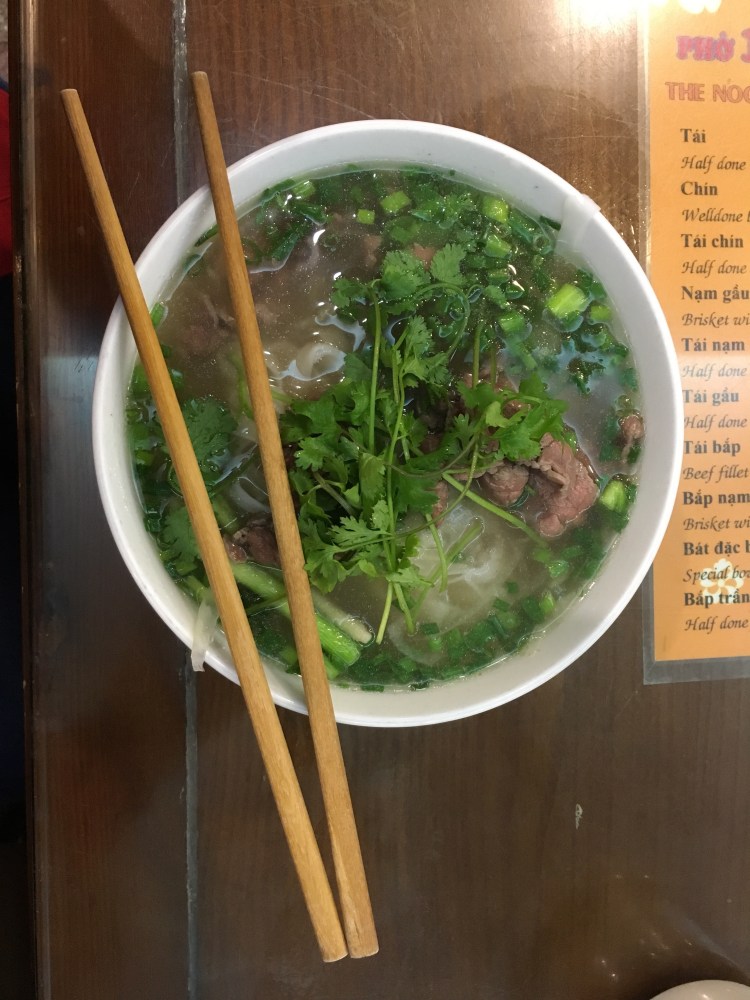
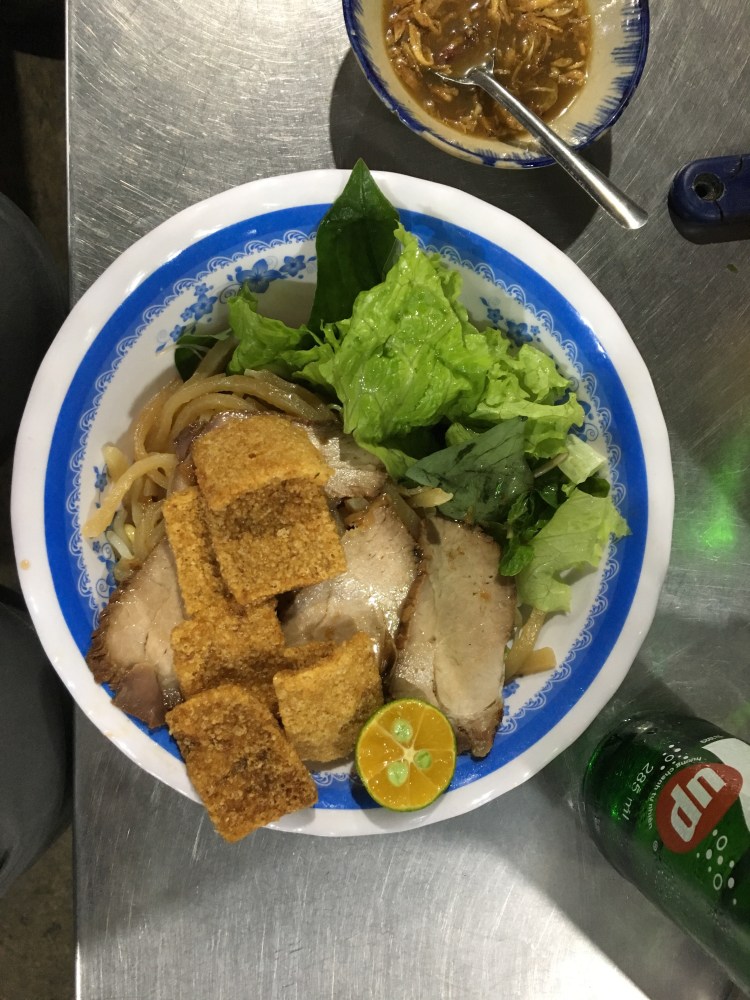
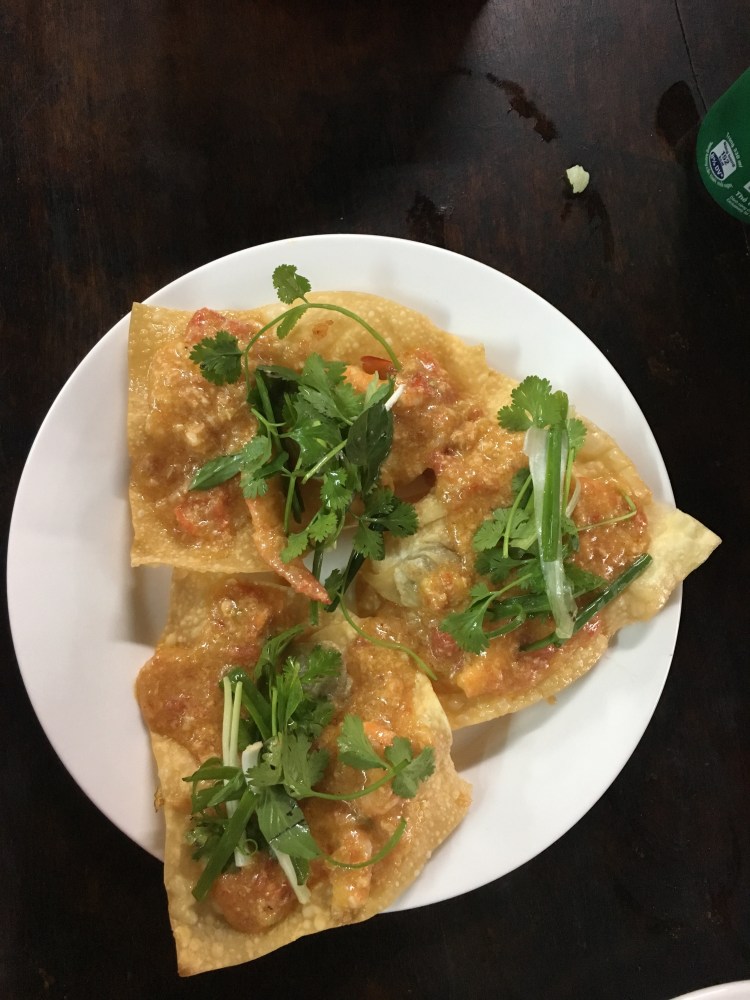
Vietnamese food is to die for!

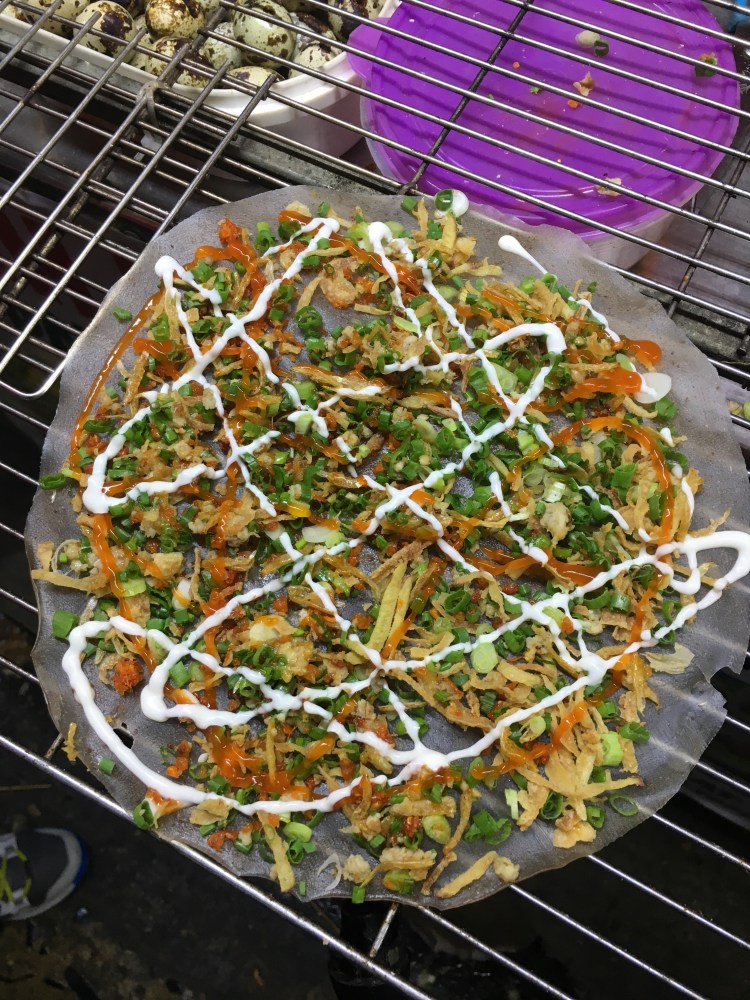
This requires no explanation – just a gallery of deliciousness. My favorite dish? Hands down, Bun Cha – a Hanoian specialty.

The bum gun is a life-saver.

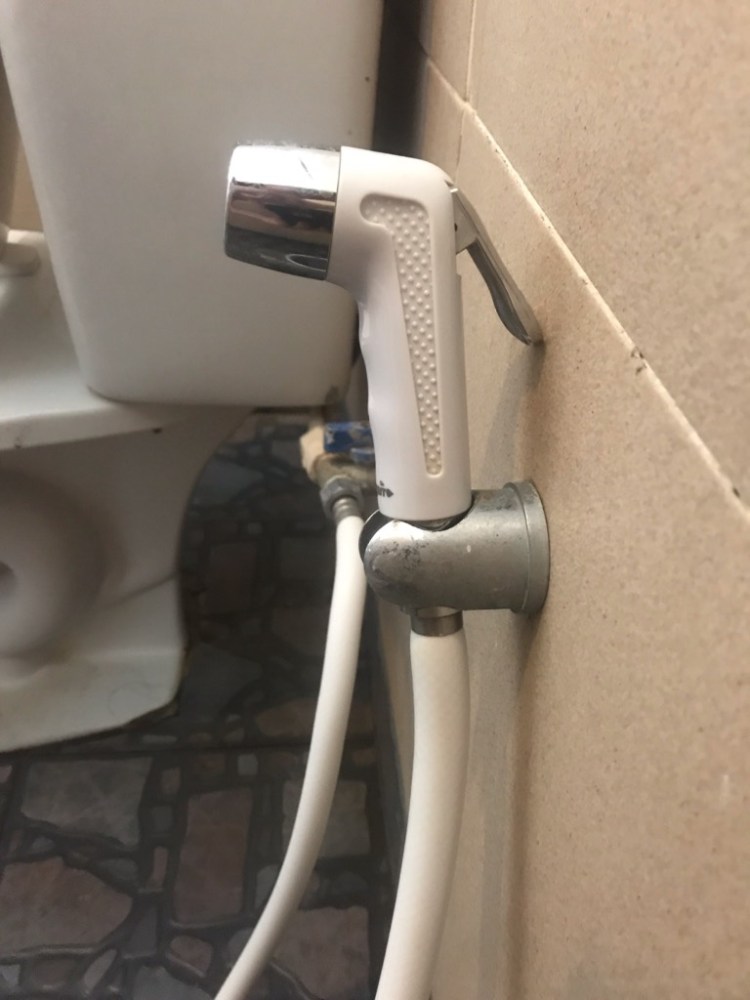
Bum gun?? What is a bum gun??

BOOM. That’s a bum gun!

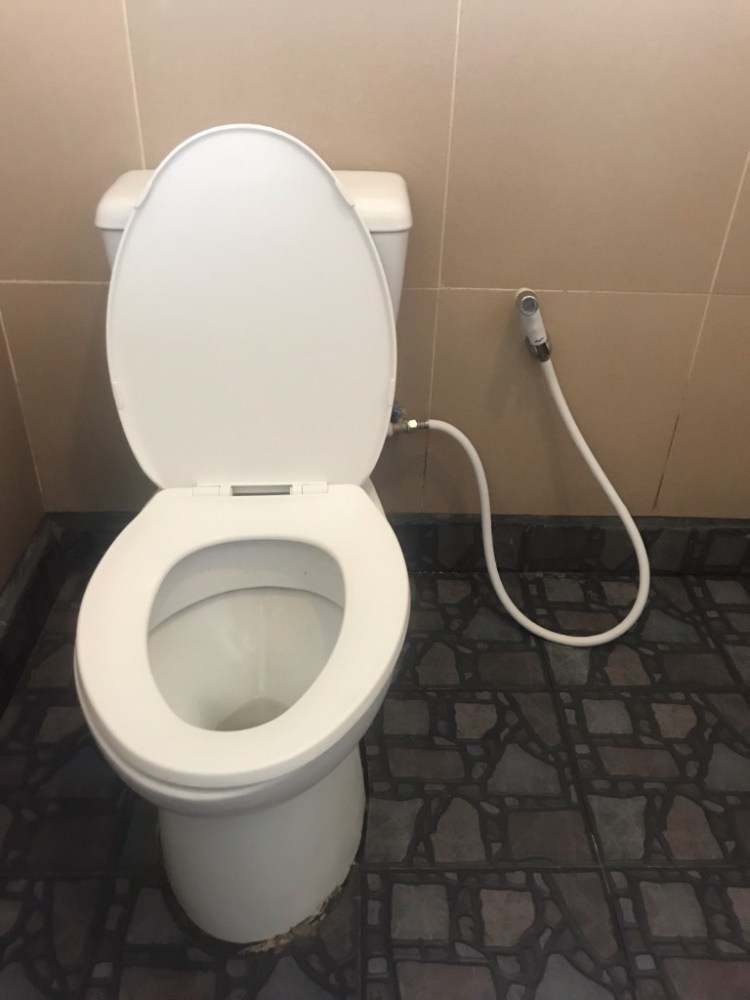
Not a bidet, but a squirt hose connected to the toilet to uh… clean the boo-tay after well, ya know. Pooping.

I will be the first to admit that this entirely grossed me out and I just could not really see the logistics of it all.

It seemed messy. And wet. I resisted for a long time.

But, when one finds one’s self in some digestive distress the bum gun becomes your best friend on account of the toilet paper can be compared to sandpaper (if it’s even available) and well, there ya go.

Bum gun + Whitney = BFFL

I will freely admit, by the end of the trip, I liked it! I dare say I even miss it back here at home. The boys were such fans that there was a lot of discussion on how to popularize it in America, and the invention of the bum gun addition – a filter of sorts, placed over the top of the spout, that would provide the user with a blast of menthol with the water for a tingly fresh & clean feeling*.

*Patent pending (just kidding).

Bottom line (ha! see what I did there!), bum gun. Try it, you won’t be disappointed.

and finally…

Cambodia & Vietnam are two beautiful countries worth a visit.

I sincerely hope that we are able to go back one day and explore new areas of both.

Temples surrounding Siem Reap, Cambodia.
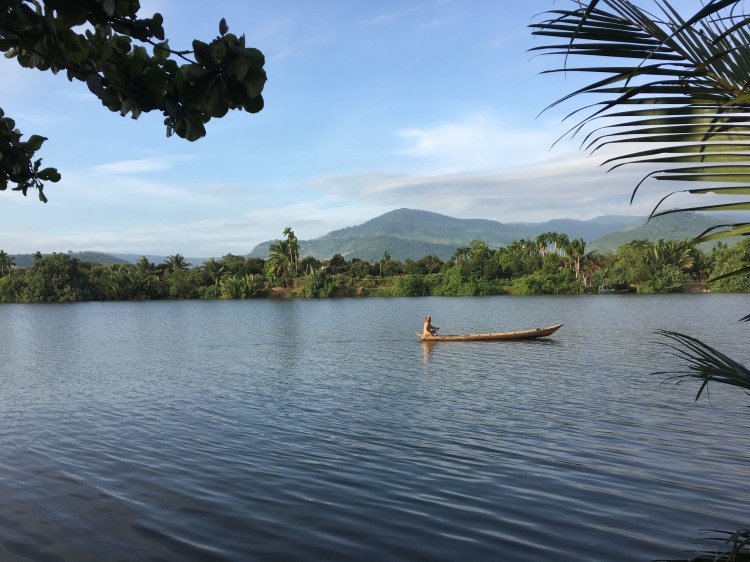
On the river in Kampot, Cambodia.
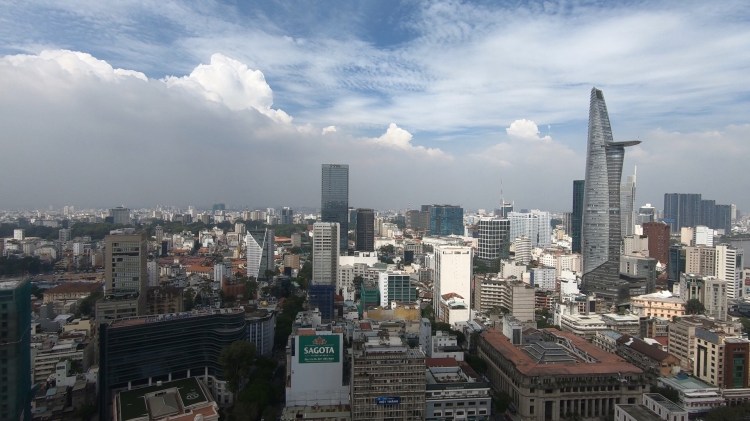
Views over Ho Chi Minh City, Vietnam
Riverside in Hoi An, Vietnam.

And, in case you got tired of reading and just scrolled through for the pictures…

You can see our entire trip in video form!

Part 1, Part 2, and Part 3!

See ya later!

Dutch biking skills paying off…

Tot ziens,

Whitney

Video: Southeast Asia 2018/19 – Part 3

After waaaay too long, the final video of our Southeast Asia trip is complete!

Since the first two videos were published some time ago, it might be worth while to check those out first. See them here: Part 1 & Part 2. Personally, I think they flow quite well and really compliment the posts Whitney has written over the past few months.

When you’re ready, here’s part 3!

That concludes the video series of our Southeast Asia (SEA) trip. Whitney has one more SEA-related post, before we move onto other, more recent travel adventures. Expect that in the next few days.

Otherwise, stay tuned for more!

Until next time,

Shane

Dubai, UAE

Ever wondered what the tallest building in the world looks like?

Yeah, I did too!

It’s pretty damn big.

When we realized that we had the option for an extended layover in Dubai on our way home from Hanoi, we jumped on the chance! The City of Gold was always intriguing for me, but I didn’t think we would ever plan a trip just for Dubai, so a 22 hour layover was the perfect compromise!

We landed at 5am from our 8 hour flight with the intention of going all out; instead of “shop ’til we drop!” we were going to “Dubai ’til we drop!”. It’s like the city knows how to attract visitors or something, because they give out a 72 hour stopover visa-on-arrival for free. And, in case this is useful information for anyone, I had read mixed reviews about a hotel requirement when you go though customs. To be on the safe side, we booked at room at the Holiday Inn Express, but were never asked to show proof.

And actually, to toot the Holiday Inn Express’s horn a little bit, it was a great selection for our short time there. It’s walking distance from a metro station which takes you to the airport in one direction and the city center in the other, despite our 5am arrival time they got us into a room by 8am (for free!), and because we would miss breakfast the next day (our flight home left at 3am) they let us have breakfast that morning while we waited to get in the room! Can’t really complain there.

Semi-grumpy ‘just off an 8 hour flight and its 5:30am’ faces… that was until we could go to the HUGE breakfast buffet!

After breakfast we were able to get in the room and change into our “Dubai outfit” – one set of non-airplane clothes in our carry-on bag – and we hit the town!

…well, we tried to hit the town.

Public Service Announcement: Friday in the UAE is like a Sunday in America (or Europe). Things, including the metro, don’t open until 10am.

So, we walked back to the hotel, watched TV for an hour, and then tried again.

And we succeeded!

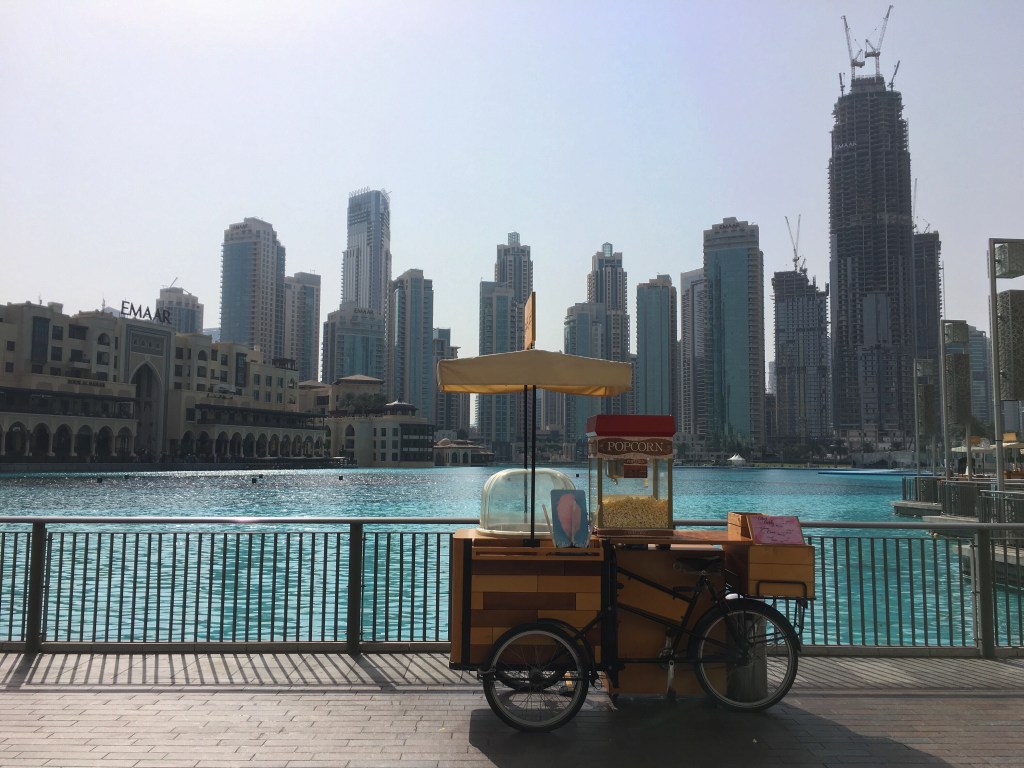
View of the Dubai Mall fountain area.

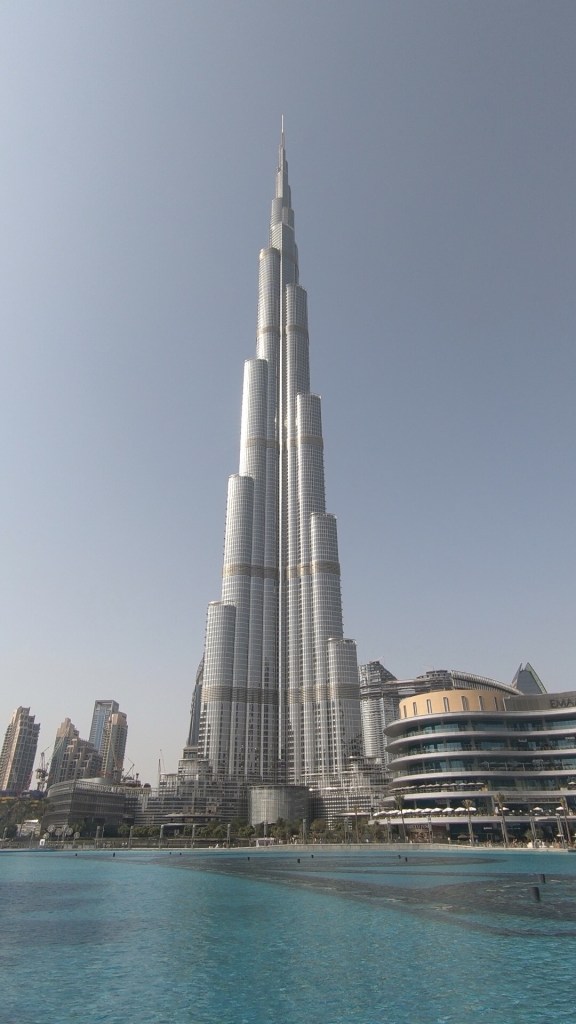
Our first stop was the Dubai Mall, which was the entrance point for the Burj Khalifa – the tallest building in the world!

I will say, I’m not crazy about malls. Like, ok – if I need something and that’s the only place I can find it then sure – but mostly I’m just annoyed by the number of people. On our way into the mall I was anticipating my annoyance, especially because of the swarms of people we were walking in with, but I quickly got over it.

I have a Fitbit, so I’m telling you the honest truth when I say this. It was 1km (0.6mi) from the Dubai Mall tram stop through a covered tunnel to the mall entrance. I mean. I was tired before I even got there, but boy oh boy if I was a mall-walking Grandma I’d be living my best life! Even more so, because the mall is 5.9 MILLION square feet (~500,000 sq meters) and home to over 1200 stores.

And shut the front door, because when I was Googling for that number I learned that this mall is only the 20th largest mall in the world! I can’t even.

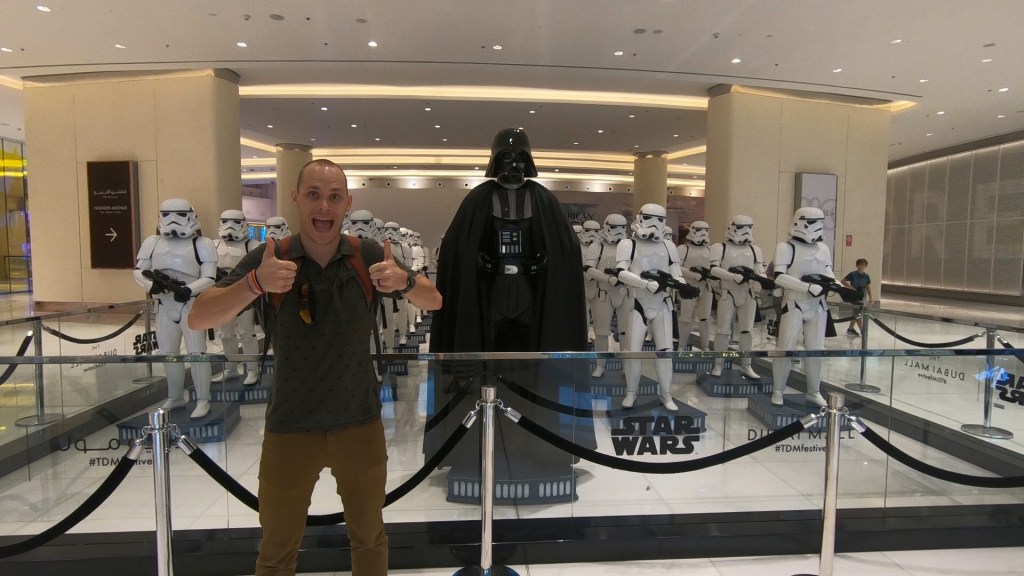
Long story short, it’s a big ‘effin mall and we found some storm troopers.

Thanks to the internets, I was warned that it takes some time to actually find the entrance to the Burj Khalifa. That was accurate. I think it took us 10 minutes to find the first sign, then you would walk in that direction and suddenly the sign would disappear. Turn around, look for sign, repeat. No joke, 45 min later we found the entrance. Luckily, we were just winging it and did’t have a ticket with a specific time.

I was originally going to pass on going up the Burj Khalifa because Tripadvisor / random internet searching scared me for the line. There were some horror stories about whole days wasted, but in the end we decided YOLO and just went for it. Great decision – we waited in a reasonable 45 minute line before we were at the top!

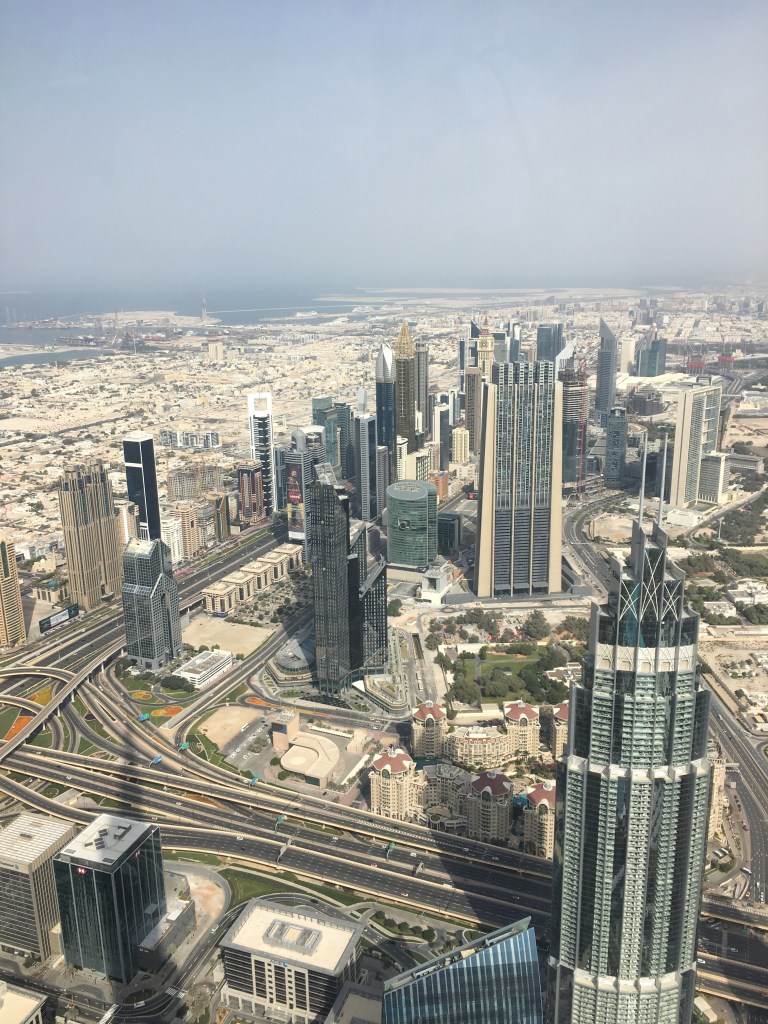
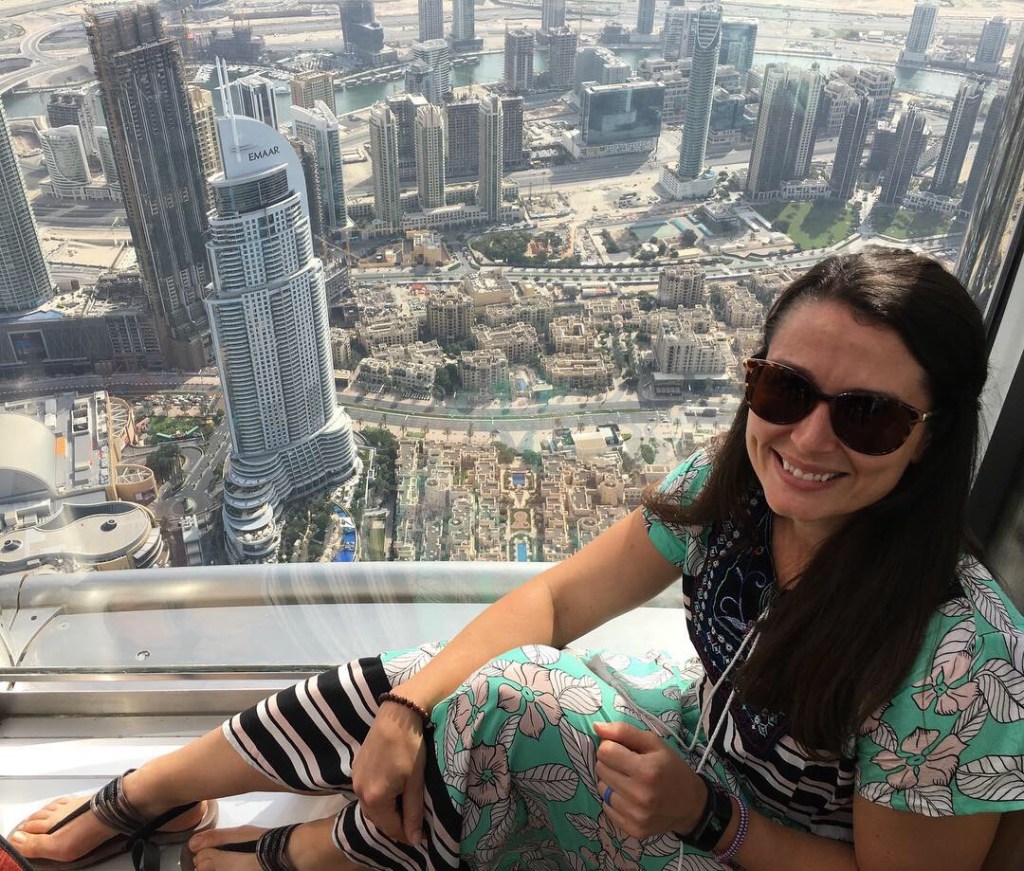
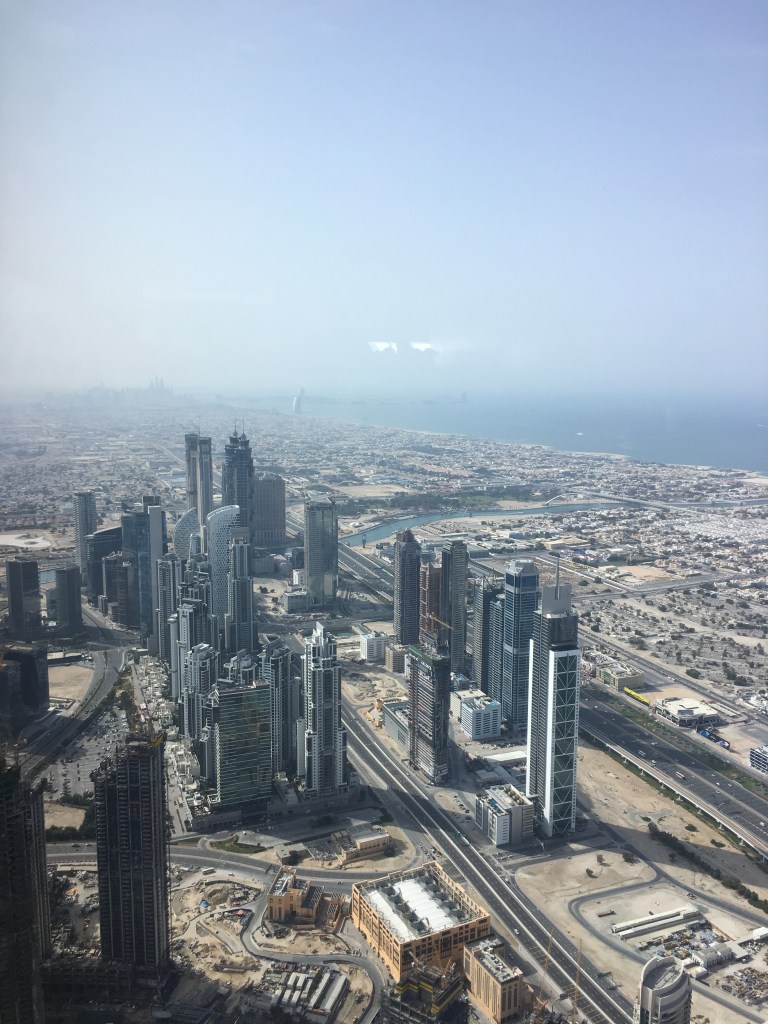
View from the 124th floor!

There are actually two ticket options: you can choose to stop at levels 124 & 125, or for (quite some) extra cash you can spring for going all the way up to the 148th floor. We chose to stop at level 124, I mean after that the view is basically the same right?

The elevator ride was an experience in itself. You go from ground level to floor 124 in a matter of maybe 30 seconds? It’s incredible! Your ears barely have time to register the change in altitude. A few steps out of the elevator and you’re met with an open air terrace with sweeping views over Dubai.

After about 45 min and a million pictures we headed back down and to the mall for lunch… because why leave when you have all the food choices you could ever want!

We did eventually leave, and headed to Dubai’s Old Town for the afternoon.

Our first stop was the Dubai Museum; we both like to learn a little bit of history of the place we’re visiting. I’ll save you the trouble and tell you to skip this museum. It needs a good renovation, I’ll just put it that way. I didn’t even bother to take any pictures of the outside, so we will just move on.

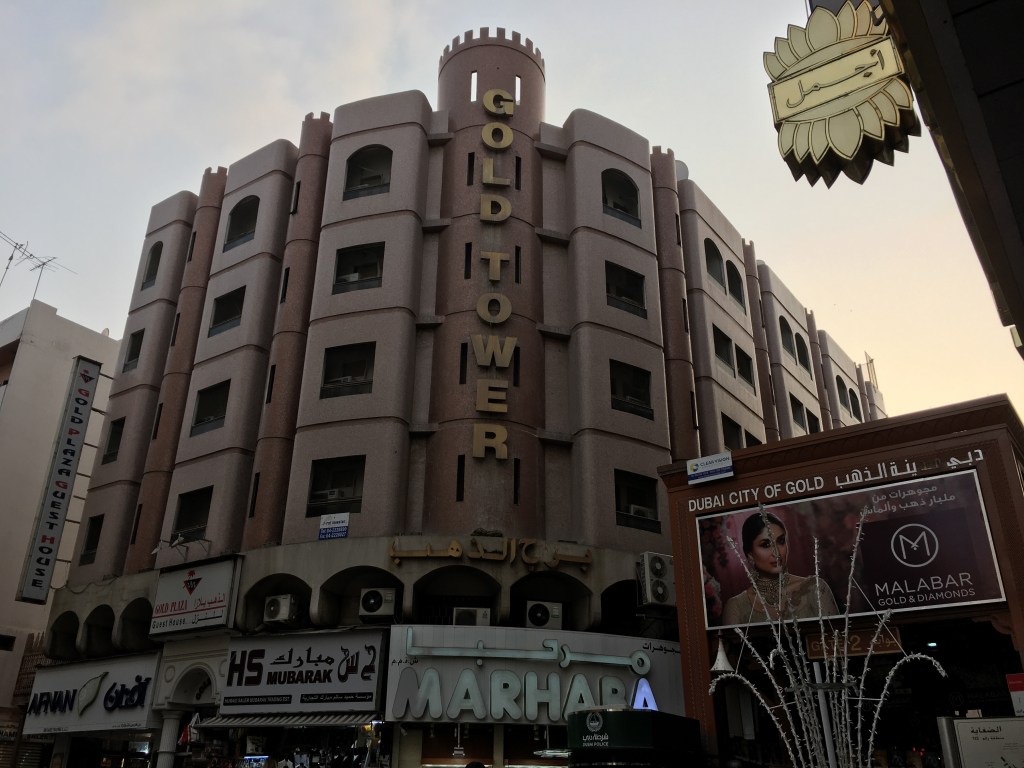
The Old Town is known for it’s souks, which are open air markets that sell a particular item. There is the textile souk, spices, saffron, but probably most well known is the gold souk. If you were in the market for gold, this is the place to buy it and at a very competitive price.

Granted, the souks have modernised over the years…

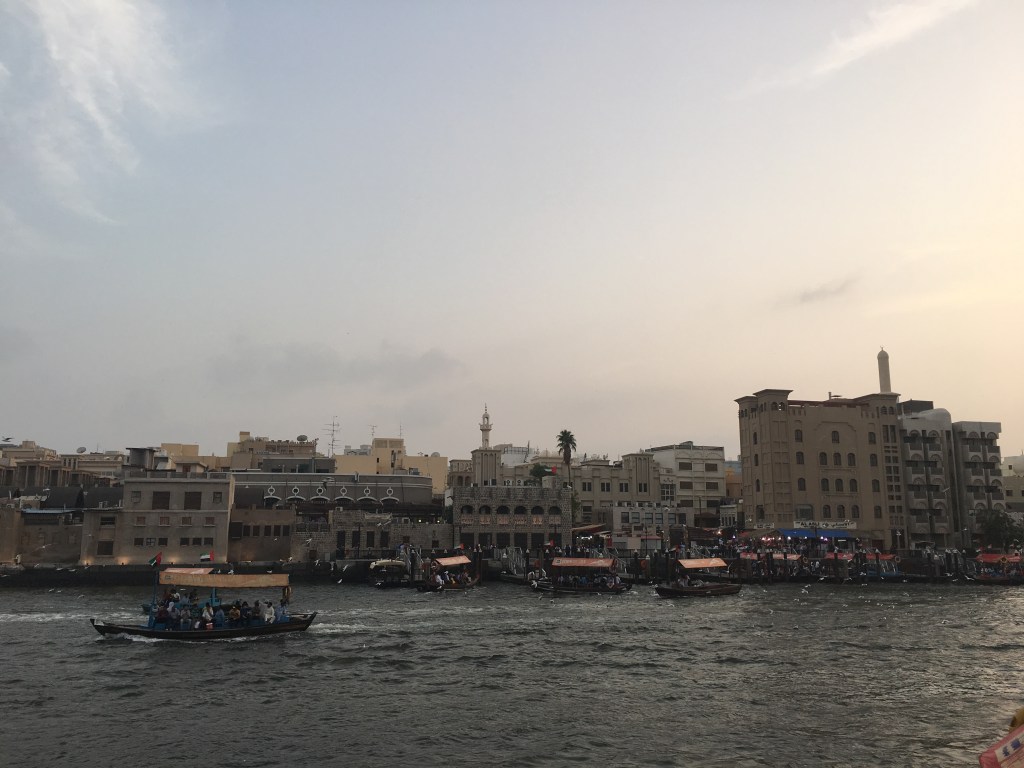
In order to get to the gold souk from the Dubai Museum we needed to take the water taxi across the Dubai Creek (not exactly what I would constitute as a creek, more like a river).

We were’t sure how to make this happen as there were exactly zero signs and most of the people using the water taxi looked like they were with a guide. We spent a little time sitting waterside and just watching. We learned that all the water taxis appeared to go to roughly the same location, you needed small change, and you paid the driver on the boat.

This was apparently correct, because we made it on the boat, paid the driver an unknown amount of dirhams, ended up on the other side of the creek, and had a lovely 10 min boat ride in the process!

We weren’t really in the market for anything (ha! see what I did there), so after we had our fill of wandering we headed back to the mall, where we took more pictures, had an alcohol free dinner at TGI Fridays (go figure, no alcohol in public spaces in the UAE), dessert at Krispy Kreme, and waited for the Burj Khalifa light show and fountain show.

Definitely didn’t expect to see this in Dubai!

And that’s about all the time we had for Dubai! After the light and fountain show (not pictured – you’ll have to wait for the video version, but it was SUPER cool!) we were EXHAUSTED and happy to have our hotel room so we could shower and have a few hours of good sleep before we needed to be at the airport.

Back on the plane to the Netherlands.

And somehow, in the blink of an eye, our much anticipated month of Southeast Asia travel was at it’s end!

The unfortunate thing about the travel-bug is it’s not easily curable. If anything, travel incites wanderlust. So, until the next trip!

Tot ziens,
Whitney

Hanoi, Vietnam

Well friends, we’ve made it to the penultimate stop on our Southeast Asia journey: Hanoi!

After saying goodbye to Sis and Terry in Hoi An, Shane and I found ourselves back at the airport for another hour flight north to the capital city.

Looking at the map this way makes me feel pretty satisfied with how much we saw in Cambodia, and pretty disappointed in how much we saw in Vietnam… guess there’s gotta be a next trip!

Anyway, back to Hanoi.

We only had about 36 hours here, so I thought I’d go though some do’s and don’ts for a visit of this length.

Do: Stay in the Old Quarter.

Staying here, we instantly fell in love with the city.

I think I can speak for both of us when I say that cities which combine the old and new are particularly attractive. We used to live in Pittsburgh, PA, which was a modern downtown city surrounded by pockets of older, homey feeling neighborhoods. I think this is where it all began. And if I think back on the cities I’ve enjoyed the most – like Rotterdam in the Netherlands – they all have a blend of old and new. Unlike the stark new-ness of Ho Chi Minh City, Hanoi had me at hello.

And, if you stay in this area then most everything you need is easily accessible by foot. You’ll have to travel a bit to reach some of the main attractions, but you’ll be set for food, night markets, and nightlife.

Hanoi street.

Do: Find the Hanoian specialties.

Like bun cha.

I DREAM of bun cha.

Rice noodles, grilled pork, fermented cucumbers, THE MOST DELICIOUS BROTH, fresh herbs, and a side of spring rolls.

and Bia Hoi!

Bia Hoi is Vietnam street beer. Brewed fresh daily, you can only find it on a the side of the road in makeshift cafes. 5000 dong (~$0.25) will get you a draft beer to enjoy on a tiny stool.

Shane got to practice pouring his own bia hoi.

and relatedly…

Don’t: Skip out on the egg coffee!

Egg Coffee.

Another Hanoian specialty. I know, it sounds gross but it was delicious! Egg coffee’s origins date back to 1946 during the French war. Normal Vietnamese coffee consists of condensed milk & coffee, but since milk was scarce an alternative was born! It’s frothy, creamy, sweet, and tastes nothing at all like an egg!

The true egg coffee recipe is a family secret, so don’t be fooled by imitation egg coffee. Make sure you go to the real deal on egg coffee lane!

which brings me to…

Don’t: Miss the alleyways

You might just miss out on the best bun cha of your life!

Dramatic, I know, as that was exactly my 2nd bun cha, but whatever. I liked it a lot, OK!

Don’t: Do a walking tour in the morning.

You’ll find that all the main attractions, like the Ho Chi Minh mausoleum and Tran Quoc Pagoda, have funny hours.

For instance, a quick google search will tell you that the Ho Chi Minh mausoleum is open from 8am – 5pm every day, when in reality it’s open from 8am – 11am, and if you don’t want to wait in a huge line you should prepare to be there by 7am. AND! Beware, for the mausoleum is closed for renovations from June – August each year.

You can certainly see it from the outside, like we did, but I must say I was quite disappointed to not be able to go inside.

Keeping with the “Ho Chi Minh – Closed” theme, we were also unable to go in the museum as it closes for a few hours over lunch…. ya know. Exactly the time we were there.

Do: Take a walking tour in the afternoon!

We love a good walking tour. Since we were staying in the Old Quarter, we booked a free walking tour with Hanoi eBuddies, a student run organization whose volunteers want to show visitors the city while improving their English skills. We were warmly greeted in the morning by our guide buddy Alissa. I say buddy, because the tour guides really want you to feel like a friend and show you the city through their eyes.

So, we spent the morning with Alissa wandering the streets of the Old Quarter and learning a few things along the way. For instance, streets in Hanoi are set up in themes. You have the cooking supplies street, the coffee street, the spices street, the clothing street, etc. I can’t imagine trying to shop here – it would take you hours! At one point we ended up on the (essentially) gravestone and memorial street, which only felt a little morbid…

We also saw Hoan Kiem Lake, which is smack in the center of Hanoi, home to a mythical golden turtle, and – until 2016 – home to (so the legend says) the reincarnation of the golden turtle: Cu Rua, a Yangtze giant softshell turtle whose species is nearly extinct. Unfortunately, in 2016 she died of old age.

More spots on the tour included St. Joseph’s Cathedral and Alissa’s favorite place for ice cream!

Which brings me to my next point…

Don’t: Forget your jacket!

Go figure, the weather in northern Vietnam is drastically different than the weather in southern Vietnam! And in January, it’s still winter (relatively speaking, of course) in Hanoi.

If you don’t have a jacket, don’t stress. There will be plenty of shops where you can buy one, and that’s exactly what we did. When you want to spend time outside – walking tour, ice cream, bia hoi – a hoodie just doesn’t cut it this time of year.

Do: Visit the Temple of Literature

Built in 1070 to honor Confucius, it became Vietnam’s Imperial Academy; a prestigious school for academics. Inside the walls are 5 courtyards, where the scholars would study, have exams, or simply relax, but the importance increased with each courtyard. For example, Ph.D.s were honored in the 3rd courtyard, Confucius himself in the 4th courtyard, and the actual Academy building was located in the 5th.

It seemed only fitting that my soon-to-be Doctor should have a picture with Confucius.

and finally…

Do: Plan more time in Hanoi!

This was a great city, and we barely scratched the surface. If I could do it over, I would have at very least 3 full days here.

And with that, there’s only one stop left on our Southeast Asia adventure that’s not even in Southeast Asia!

Next up, the City of Gold – Dubai!

Tot ziens,

Whitney