48 Hours in Munich, Germany

I don’t know about you guys, but I need a mental break from the coronavirus news. We’re not on full lockdown here in the Netherlands, but bars, restaurants, and gyms are closed, public transportation has been reduced, and people are encouraged to work from home. Long story short, it’s all anyone can talk about.

So, for a little mental re-charge, I want to talk about our trip to Munich!

Previously, I raved about our mode of transportation, and Shane finally admitted why we went to Munich. I guess it’s time to talk about the city itself!

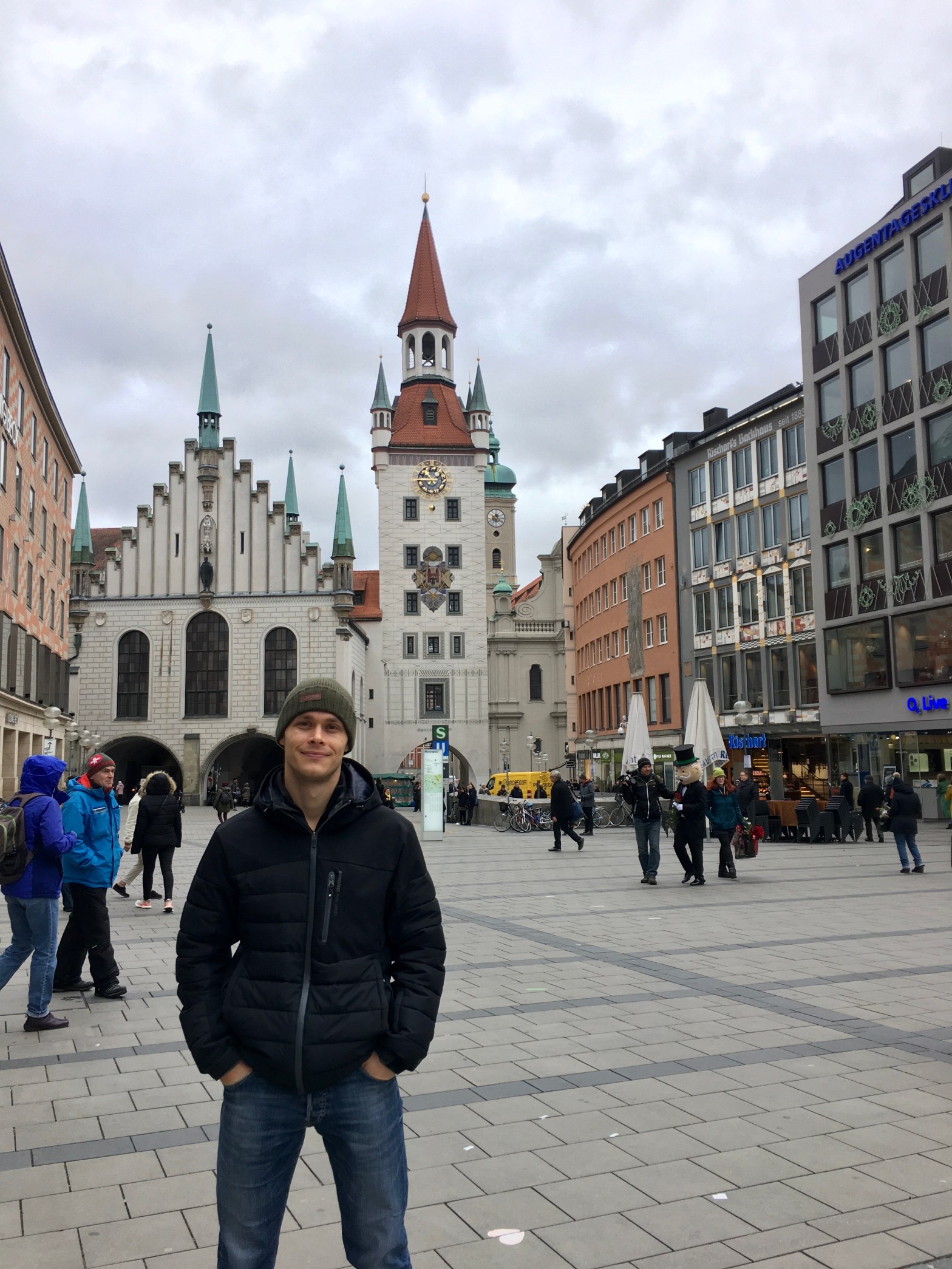
The Marienplatz: the central square of Munich.

Day 1:

I dropped off my honey at his interview (literally, I walked him there) and headed out for a day on my own –

aka: Strong Independent Woman Day!

Tip: Use the public transportation – it’s cheap!

The LMU campus is about 20 minutes by subway (U-bahn) outside of the city center, near the suburb of Martinsreid. I bought an unlimited day ticket (buses, tram, U-bahn (subway), and S-bahn (above ground train)) for €7.80 – a single trip ticket is €3.30, so this quickly pays off.

If you’re part of a group it’s even cheaper. An unlimited group day ticket for 2 – 5 people is €14.80 TOTAL. It’s a steal!

First stop:

The Residenz

Cost: €14 (combo ticket)

Tip: If you arrive from the Odeonsplatz U-bahn station, walk up the stairs, go straight, then take a left to find the entrance.

If you get distracted by statues and a garden and happen to walk up the stairs and take a right then you’ll find yourself in the Hofgarten and walk a very long perimeter to eventually get back to the entrance. Not that I’m speaking from experience or anything.

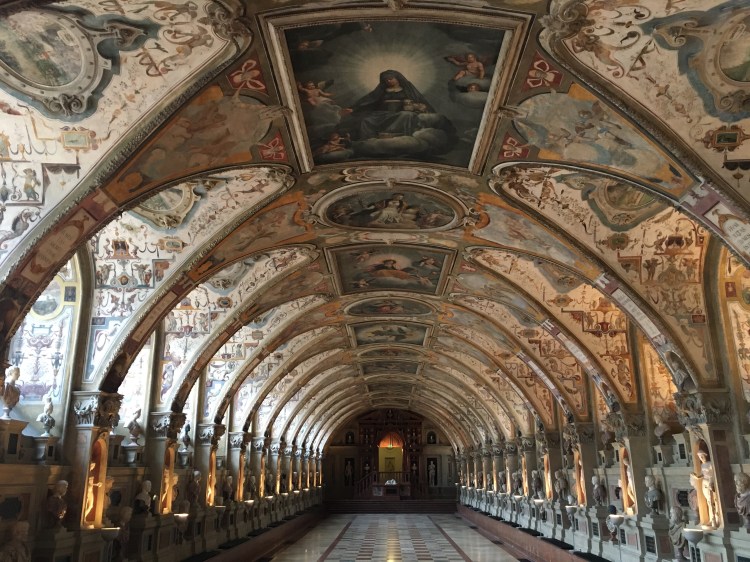
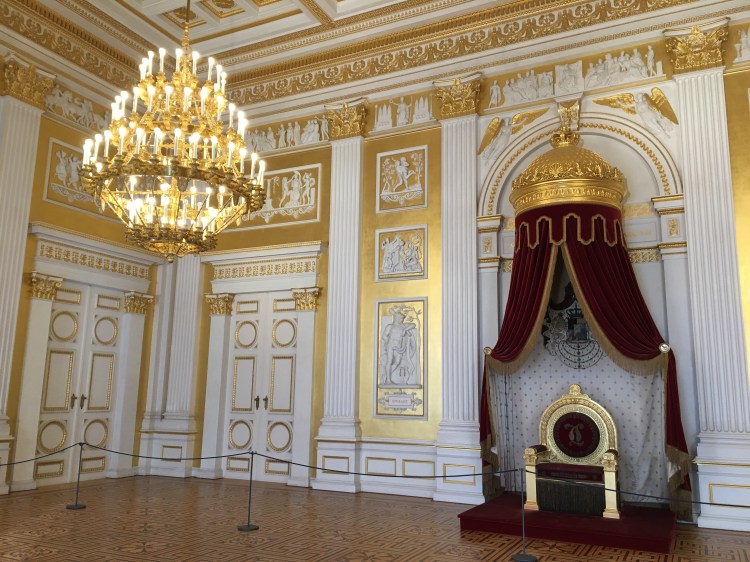
The Residenz is the former royal palace for the Bavarian monarchs, and it is split into two sections: the residence (with the royal apartments) and the treasury (with the crown jewels). You’ll need to buy the combo ticket if you want to see both. If you’re just going for that Instagram-able shot, then you only need to visit the residence side, as it has the the Antiquarium – the oldest and most impressive room (built in 1568).

Lucky enough to have it to myself.
A room fit for a Bavarian King!
Unlike the crown jewels in London, they let you get right up to the glass!

Royal palaces make me hungry (ok, fine – everything makes me hungry), so

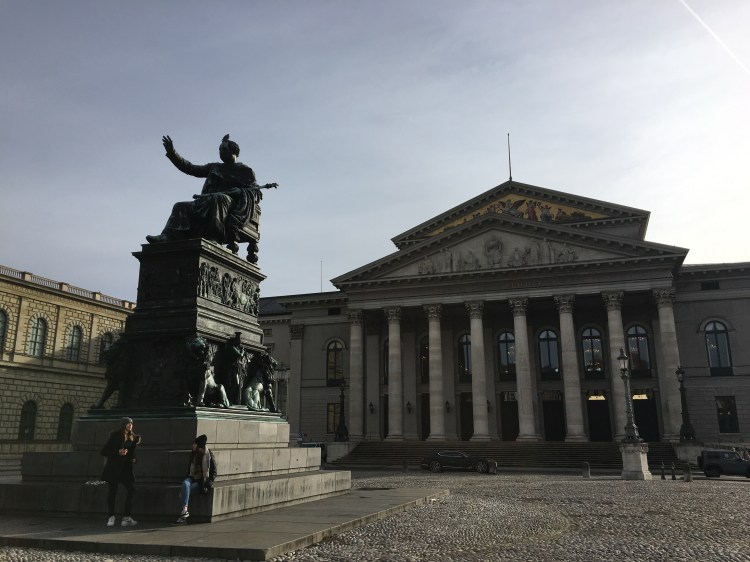
Take a people-watching snack break in the Max-Joseph-Platz

Cost: Free!

Just outside the entrance to the Residenz is the Max-Joseph-Platz. It was sunny that day, a rarity in February (especially in the Netherlands), so I grabbed a snack and did as the locals do – sat in the sun!

Tip: For a quick snack head to the nearby supermarket, Rewe.

Or, if you want a fancy looking pastry, I drooled over (and later regretted not purchasing) the pastries in the window at Maelu.

Pretzel #1 with a Spezi – a lemonade + cola combination. Odd as it was, I’d drink it again.

Recharged, I headed on to my next destination.

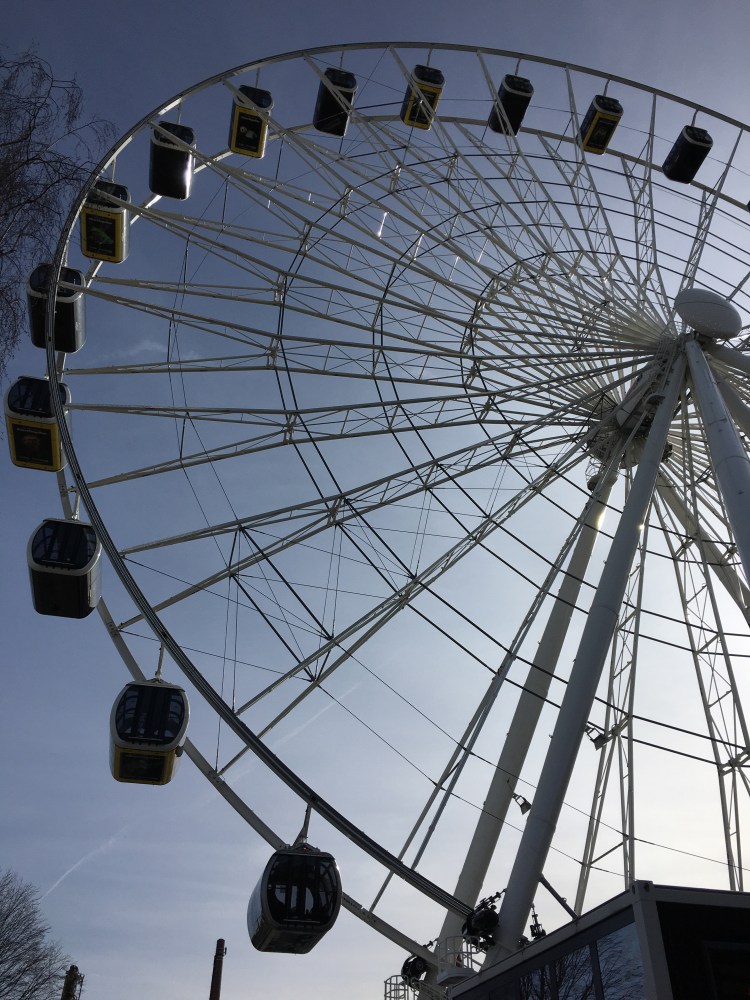
Hi-Sky Munich

Cost: €14.50 (adults)

Let me just say: I LOVE me a good observation wheel. You know what’s even better? When you get the entire gondola to yourself. Dreams do come true!

Did I set up my Go-pro and take a million shameless selfies? You betcha!

Shane HATES. H.A.T.E.S. observation/ferris wheels. He was more than happy for me to take full advantage of my strong independent woman day and tick this off my Munich list. Which, I did, and had a grand ‘ole time with beautiful views of the city from one side and the mountains from the other.

and finally

Viktualienmarkt

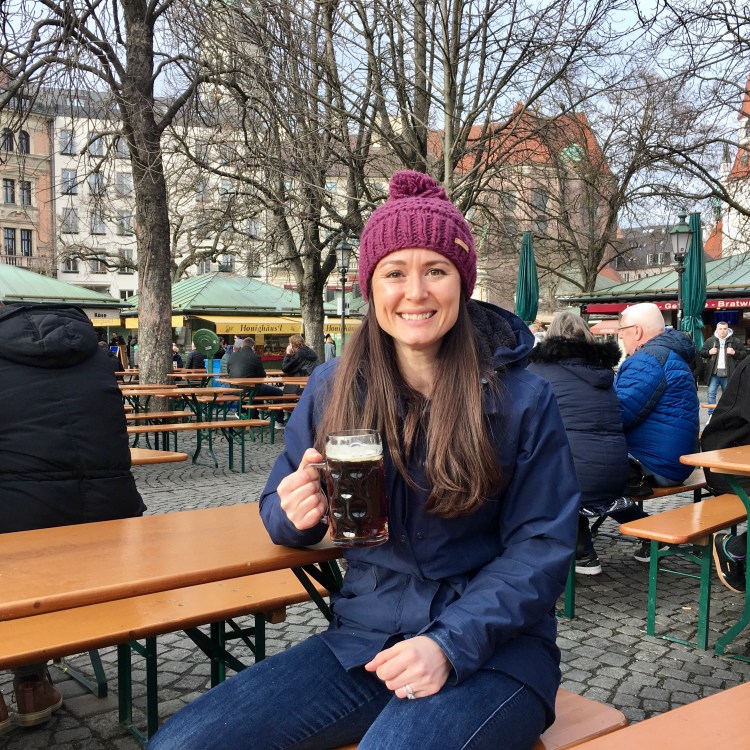
Cost: Free to visit, €4.50 1/2L beer, snacks vary.

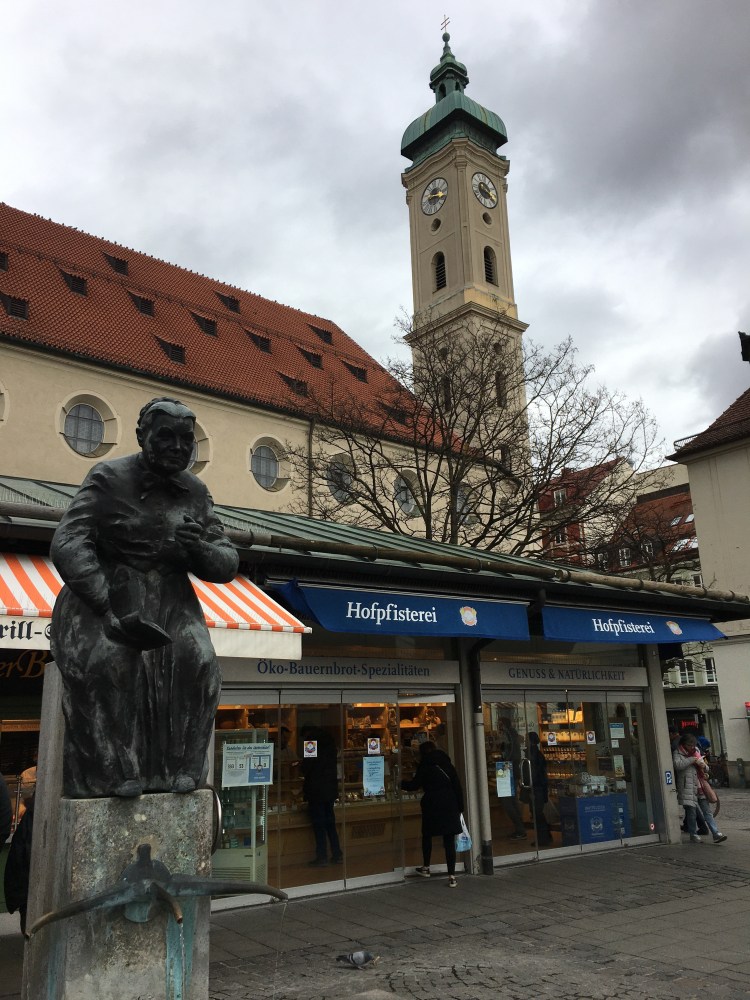
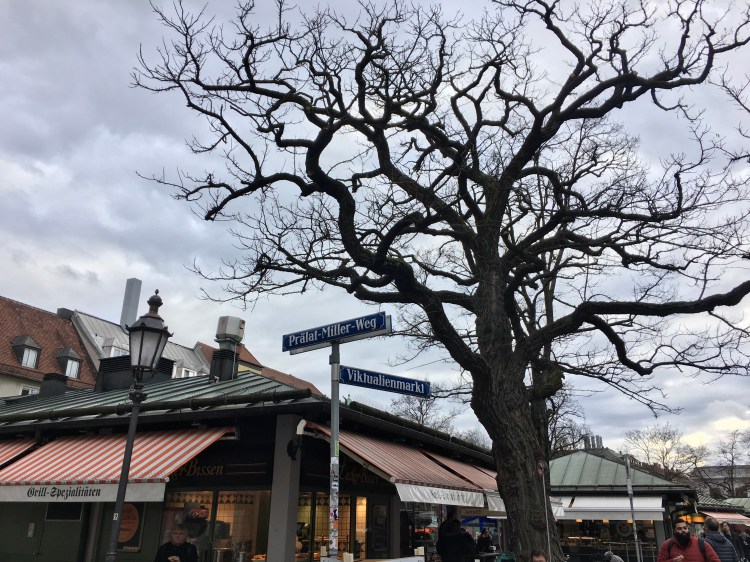
Located just around the corner from the Marienplatz is the Viktualienmarkt – a 200 year old farmer’s market smack in the city center! Today, you can find flowers, herbs, cheeses, veggies, SO MUCH FOOD and beer. A hungry tourists dream!

After the observation wheel, I headed back to city center to wander for food and genuinely stumbled on this market by accident… and then didn’t leave.

Tip: Take enough selfies and a kind stranger will offer to take your picture for you! 😆

Day 2:

Strong Independent Woman Day was grrrreat!, but it was nice to have my travel partner back the next day. Especially, since he spent the entire previous day interviewing – it was time to enjoy the city!

We intended to do a walking tour, but we got a later start than anticipated so missed the 10am start time. Instead, we started at the history museum.

Munich Stadtmuseum

Cost: €7 (all exhibits), €4 (permanent exhibits only)

If you’re into learning about the city’s history, then start here! Not only will you discover what’s “Typical Munich”, but there is an excellent exibihit on the rise of National Socialism and Munich’s role in the rise of Hitler.

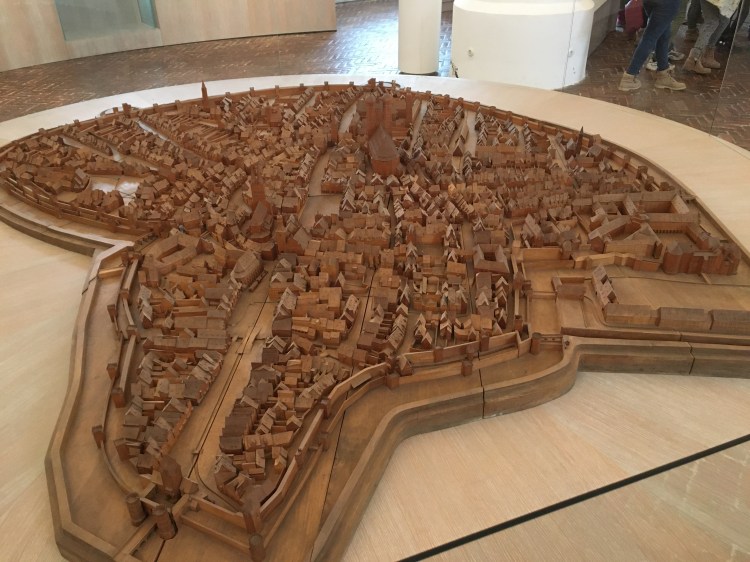
Fun Fact: the old town of Munich is shaped like a cross bow!

Hofbräuhaus

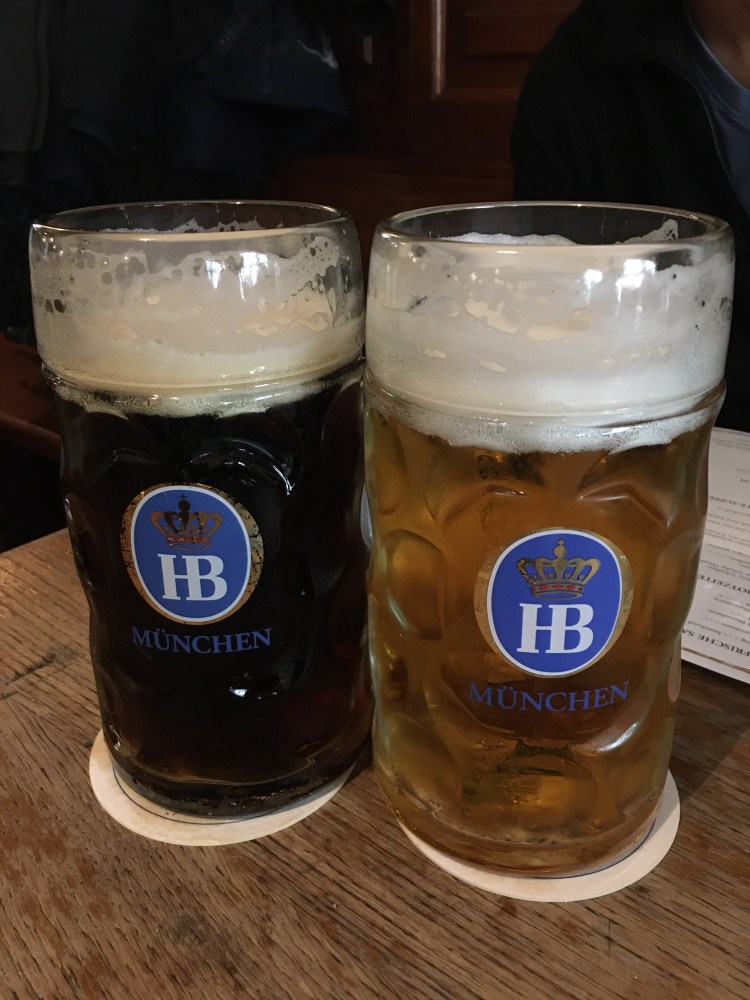
Cost: €9.20 L beer, meals vary.

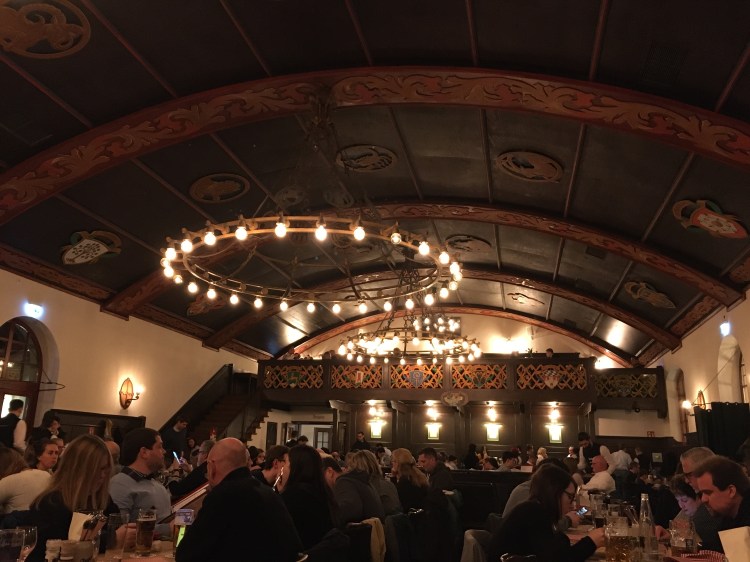
Ok, lets face it. After 2 hours of history and Nazi history at that, it was time for a drink! And you don’t got to Munich and not visit the most famous beer hall!

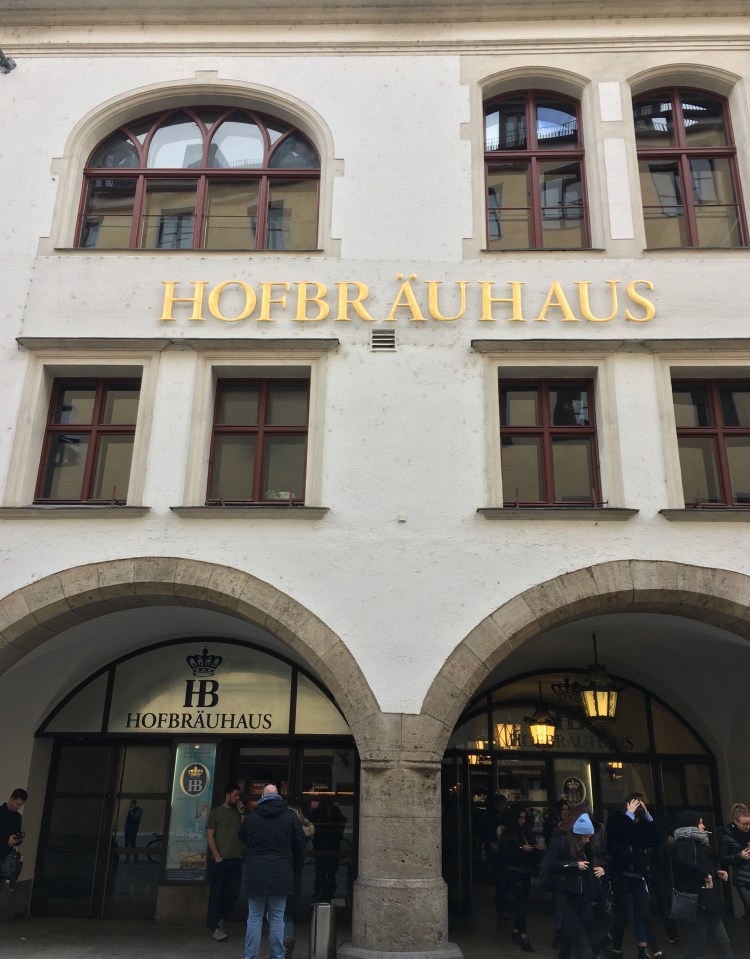
I will say I was underwhelmed by the facade. I’m not sure what I expected, but it wasn’t that. The inside made up for it though.

Tip: Don’t be shy – just walk in and find an empty spot!

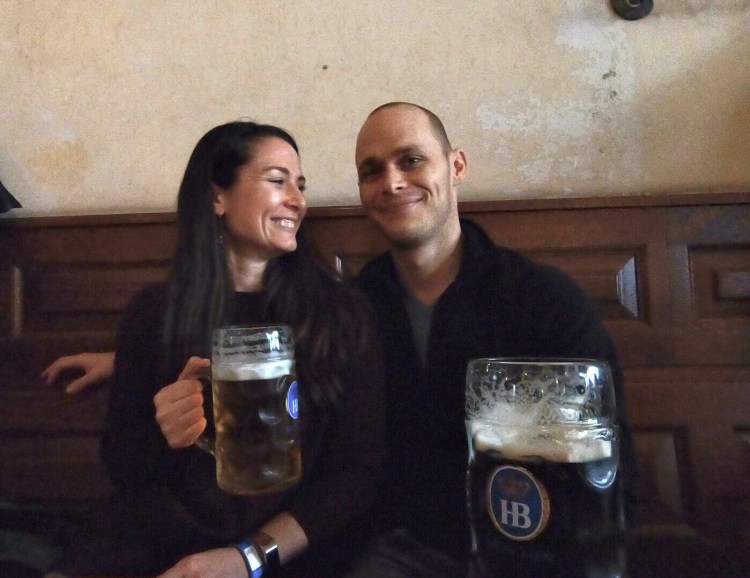
We had a great time here! There was such a festive feeling, even for the middle of the day on a Friday in February – February 14th to be exact! ❤️ It was a little pricey compared to some of the other beer halls, but you’re also paying for the experience.

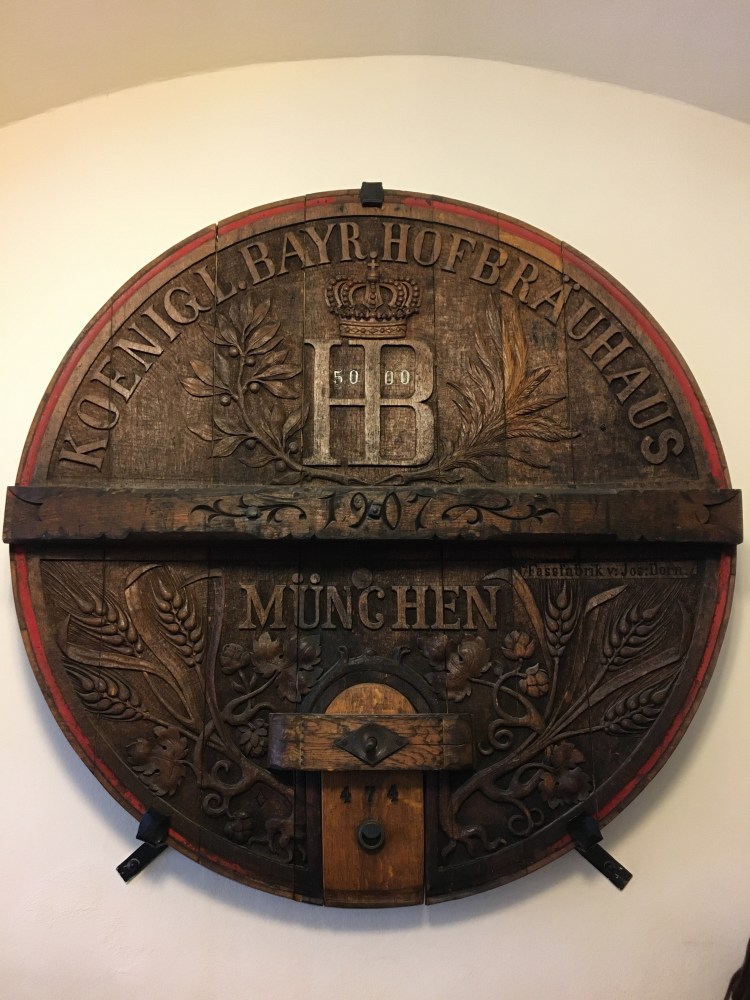
The hall was originally built in the late 1500s, and opened to the public in the 1820s. It was here (as we learned in the Stadtmuseum) in 1920 that the National Socialist Party held a huge public meeting and Hitler gave his first address. Most of the hall was destroyed during WWII and has since been restored, but the main hall survived.

Ok so I won’t lie. The rest of our day was visiting beer halls. I’m not sorry about it either!

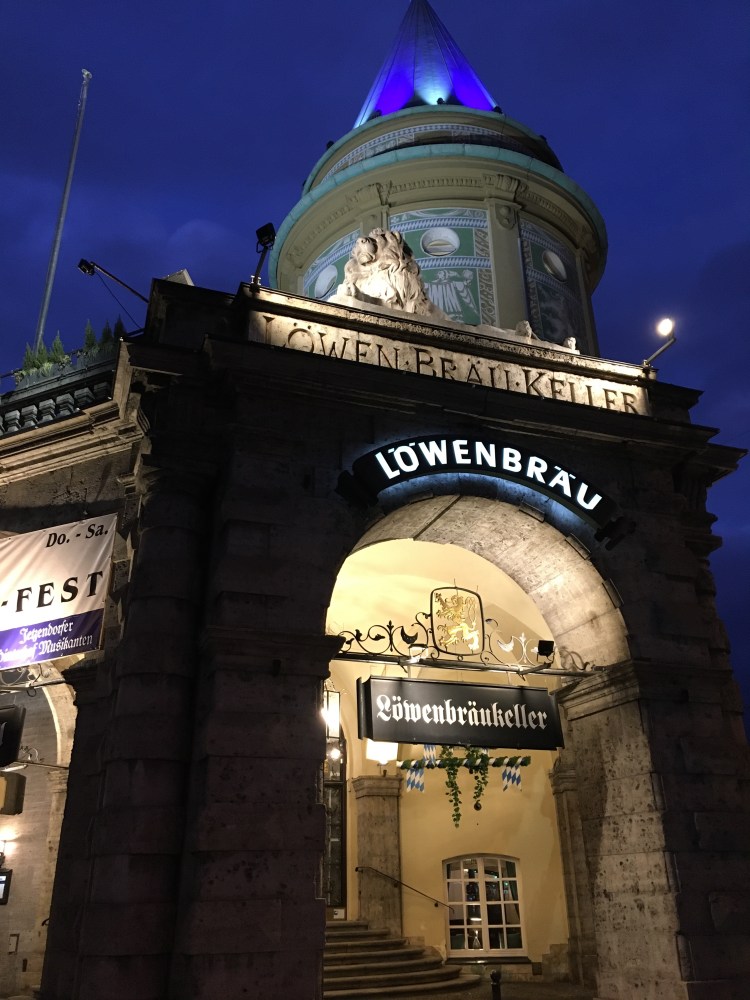
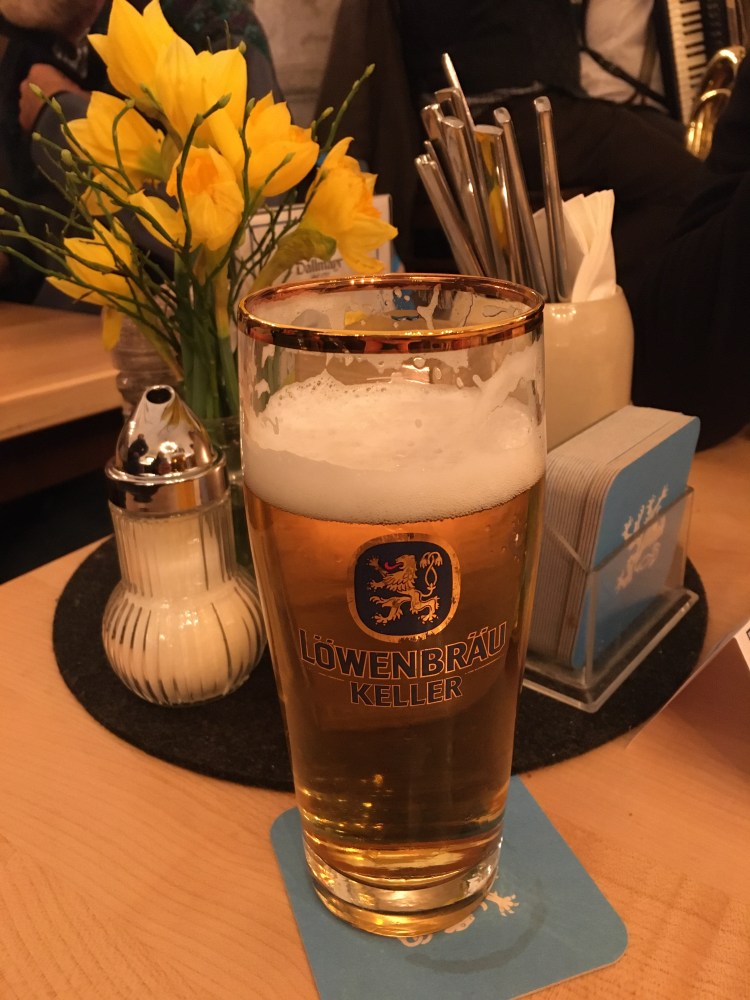
Löwenbräukeller

Cost: €7.80 L beer, meals vary.

The Löwenbräukeller (bräukeller, meaning brewery) first opened it’s doors in 1883’s with an architecturally (for the time) impressive building. Shortly thereafter, it became the first brewery in Munich to provide tablecloths and napkins, and patrons didn’t have to rinse out their own beer glass!

In my opinion, the atmosphere here was ‘fancier’ than the Hofbräuhaus, but still relaxed. There was also a huge outdoor area, which would be nice in the warmer months.

It was slightly further from the Marienplatz, which was reflected in the beer prices, and they had delicious red cabbage & potato dumplings so you really can’t ask for much more.

Augustiner-Keller

Cost: €7.90 L beer, meals vary.

I’m just going to come out and say it. This one was my favorite.

First – The beer hall reminded me of Game of Thrones.

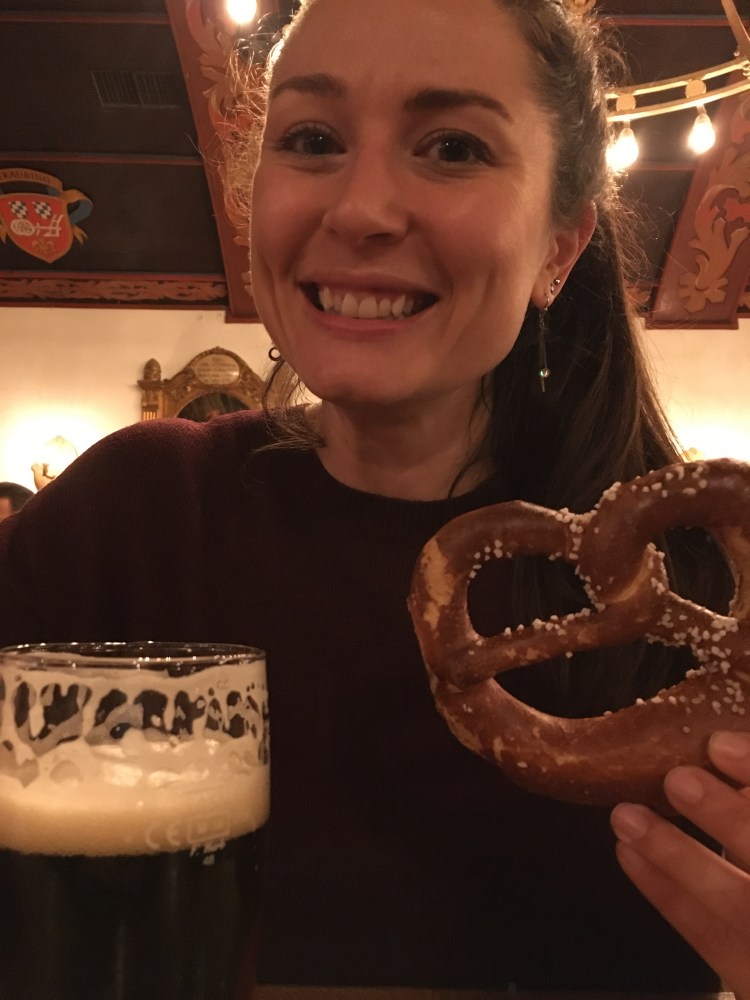
Second – Pretzel baskets lived on the table. You pay at the end for what you eat. Dangerous? Yes. Delicious? Also yes.

Pretzel count: 3. Not pictured: #4.

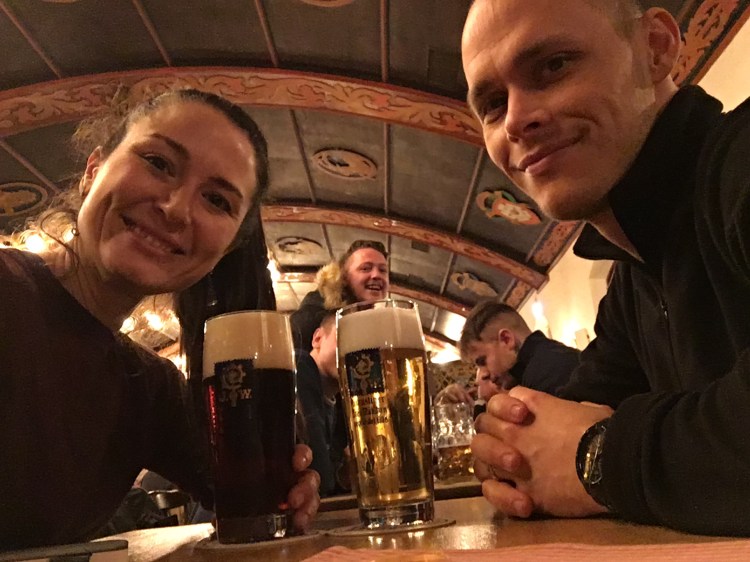
Third – We found out that Shane got the job AT THIS VERY SPOT!

Photobomb gold.

It’s cozy, it’s festive, it has a huge beer hall and garden, and easy to find (near the hauptbahnhof). A perfect way to cap off the night.


And that is how we spent 48 hours in Munich! Obviously, there is a ton we didn’t see. If we had another day, I would suggest taking a walk through the English Gardens or the Deutsches Museum (science and technology).

Tip: Free city center walking tours are available daily.

We love a good walking tour – you can learn something before you go spend the rest of your time in the beer halls! 😉

As of May 1, 2020 we will call Munich our new home – so until then…

Auf Wiedersehen,

Whitney

The adventure continues!

Six years ago, we moved to the Netherlands so that I (Shane) could complete a PhD.

Last March, I completed said PhD. Since that time, I’ve searched for a postdoc position while working as a freelance science editor. Why such a long job search? Well, there are a couple of issues:

  1. My research interests are very specific.
  2. I need a long-term position; most postdocs are 1-2 years, which complicates Whitney’s ability to find a job.
  3. The location needs to have options for Whitney to work (i.e., biotech).

As you can imagine, these stipulations have severely limited my options and, to be perfectly honest, caused me to reconsider my academic ambitions. Nonetheless, we persevered (I say we because Whitney continually supported and encouraged me) and we finally have good news to share –

I got a postdoc position!

Image result for the cat's out of the bag gif
Get it? The cat’s out of the bag…

In her last post, Whitney covered our recent train trip to Munich. What she purposely omitted from this story was that the trip wasn’t all fun and games (don’t worry, she’ll have a ‘fun times in Munich’ post soon enough).

In truth, I had an interview at Ludwig Maximilian University. To keep a long story short, the interview went well and I accepted the position!

Got the offer while we were still in Munich.

Safe to say, I am very excited for this position. Not only does it meet all of the requirements I listed above (my specific research interests, longer-term, and a good location), but it also fulfills additional ‘wants’ of mine. I’ll try to keep this as short as possible as I explain:

During my PhD, I studied how adaptation to the local environment can influence patterns of speciation and biodiversity. More specifically, I studied how visual adaptation affects behavior.

Why is this important?

Well, if you think of our our day-to-day lives, we humans are greatly influenced by our visual perception of the world. Vision influences the foods we eat, the clothes we wear, the mates we choose, and whether or not we step in front of that on-coming bus. Thus, it’s not too much of a stretch to think that similar processes are important to other animals.

To this point in my research career, I have worked exclusively in fish model systems (threespine sticklebacks, zebrafish, African cichlids), as they are very amendable to studies of visual perception and behavior (fish have similar visual systems to humans). Obviously, it would make sense to continue within fish-based research for a postdoc position, as this plays to my expertise and comfort. However, postdocs are a time to expand and learn new techniques. Thus, we come to my new position at LMU.

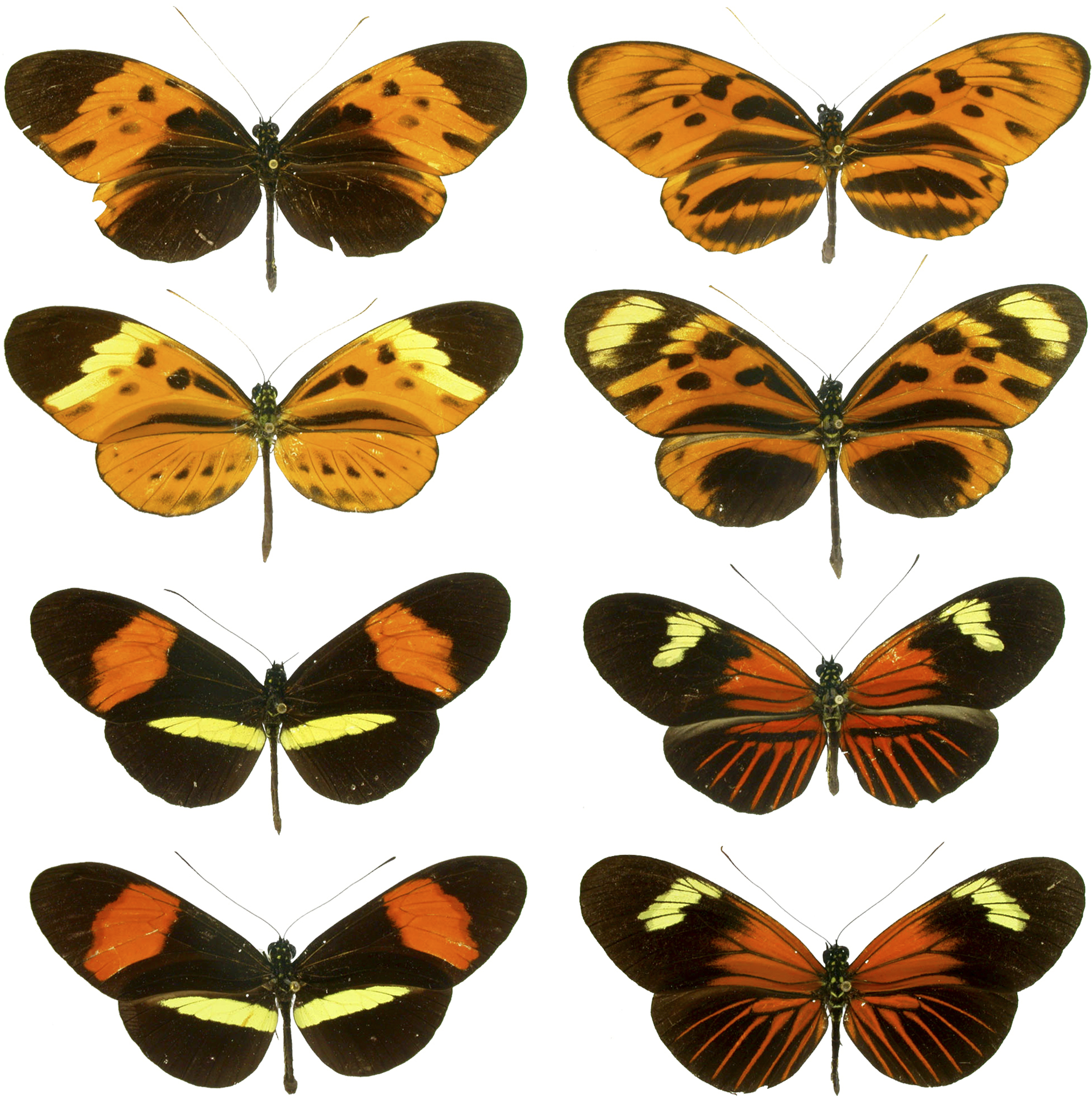
I will continue to explore how the local environment influences visual perception and corresponding behaviors, but will expand to incorporate other sensory systems and aspects of neural anatomy. Excitedly, this project will not be fish-based, but focus on the Heliconius butterflies of Central and South America. Evolutionary biologists have studied these butterflies for nearly 150 years and, much like the African cichlids of my PhD, Heliconius represents a large radiation of multiple species that have adapted to differing environments. Thus, this project will challenge me to learn a new model system and to incorporate new variables into my research (e.g., chemosensory perception and the anatomy of the brain).

Image result for heliconius
image courtesy of: Wikipedia

The most exciting part of this project? It’s mostly field-based! Though I didn’t include this as a ‘requirement’ of a postdoc position, it was a strong desire. I’ve completed a fair amount of fieldwork over the past ten years (in British Columbia, Tanzania, and Corsica) and was hopeful I could continue to do. So, after a few months of organization in Munich, it’s off to Ecuador! Best of all, Whitney and Meatball will join!

That’s right, the whole clan is moving to Tena, Ecuador for 18-24 months!

At this point, details are still being worked out. For now, we know that I will start in early May and that we will need to find temporary housing in Munich. In ~July, we will move to Ecuador. Whitney has given her official notice at work and will finish up at the end of April. We’re not exactly sure what she will be doing in next ~2 years, but we’re hopeful she can find a remote position or, at the very least, work as a science editor as I have done for the past 6-7 months. Regardless, she’s not going to miss the opportunity to live in the rainforest for two years. After fieldwork, we will return to Munich for the remainder of the position (~2 more years), which should give Whitney ample employment opportunities (biotech is well-represented in Munich).

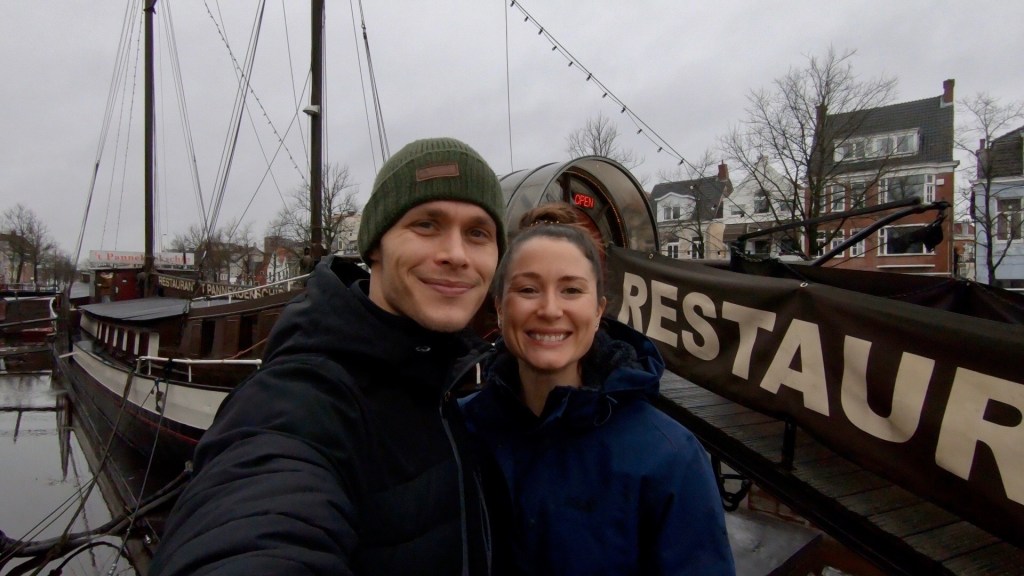
So, after a long period of relative quiet, the pace of life has picked up dramatically. Per tradition, we celebrated my new position with a trip to ‘t Pannekoekschip.

We’ve also started learning Spanish (we’re ignoring German language requirements for now) and will soon need to find apartments in Munich and Ecuador. As more details develop, life is sure to become even more hectic. Nonetheless, we’re excited. We’ve been anxiously awaiting our next move for a long time, so it’s fun to know that it’s finally happening!

Stay tuned for more updates. Up next, Whitney has plenty to say about her ‘independent woman day’ in Munich while I was interviewing.

Until next time,

Shane

Groningen to Munich: A Train Adventure

🎶 This is the story of a girl, who took a train around the whole world! 🎶

Ok, not quite, but that song popped in my head as I started to write this so you get what you get.

This IS the story, though, of a girl who reluctantly agreed to take a train from Groningen to Munich and had a grand ole time!

I mean come on. Look at that face!

When we first decided to take a city trip to Munich, my go-to reaction was to start looking for flight deals. Shane, on the other hand, took it as an opportunity to make a pitch for the train.

It’s “more CO2 friendly” and “doesn’t take that much more time” and “you can walk around” and “we’ve never done it before”.

Valid reasons *I supposeee*, but I wasn’t convinced. I needed an excel sheet. How does anyone plan anything without an excel sheet? Here are the facts:

  1. We would only save 2 hours on total travel time by flying.
  2. We would only save 60 euros total – 2 people, round trip – by flying.
  3. We’ve never done it.

What can I say, I’m easily convinced. Train it is!

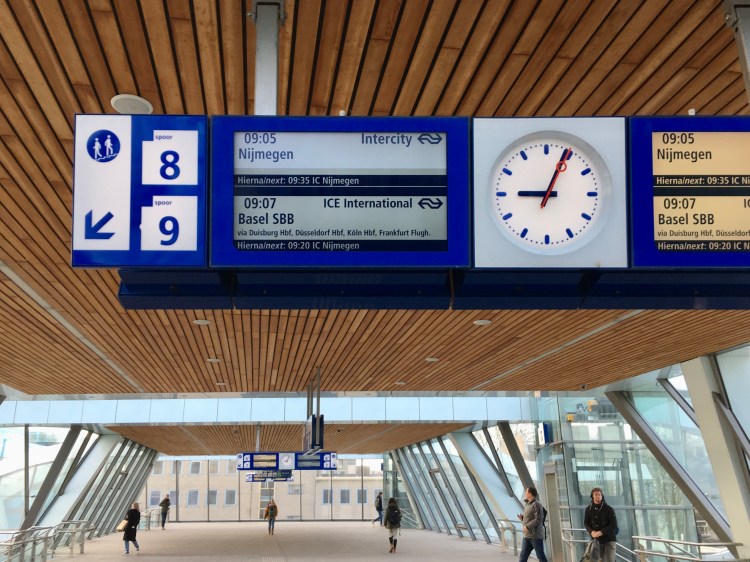
ICE International, that’s us!

Remember when I said that we would only be spending 60 euros more, in total, compared to flying? What I didn’t mention is that we also booked ourselves a first class ticket, baby!

This also took a little convincing, because (in my opinion) the difference between first and second class on a Dutch train is not worth the upgrade. The seats are a little bit bigger and you have less hassle trying to find a seat during rush hour, but that never bothered me enough to warrant a first-class upgrade. But, since we would be spending the majority of our time on the German train (5.5 hours, to be more precise), I agreed to first class.

Two words: Worth it.

We took the German Inter-City Express (ICE) high-speed trains from Arnhem, the Netherlands to Munich with a switch in Mannheim (on the way there) and in Duisburg (on the way back). There are 6 variations of the ICE train, itself. We travelled on the ICE 3 and ICE 4.

One major perk of first-class on the ICE is that your seat reservation is included in the booking price. Unlike Dutch trains, your departure time and seat are specifically linked to your ticket. If you would like a guaranteed seat, then it must be booked ahead of time. Relatedly, if you miss your train you can’t just take the next connection*, as the seats have already been booked.

*if you miss your connection, you should find a DB service point in the station and ask for help to re-book.

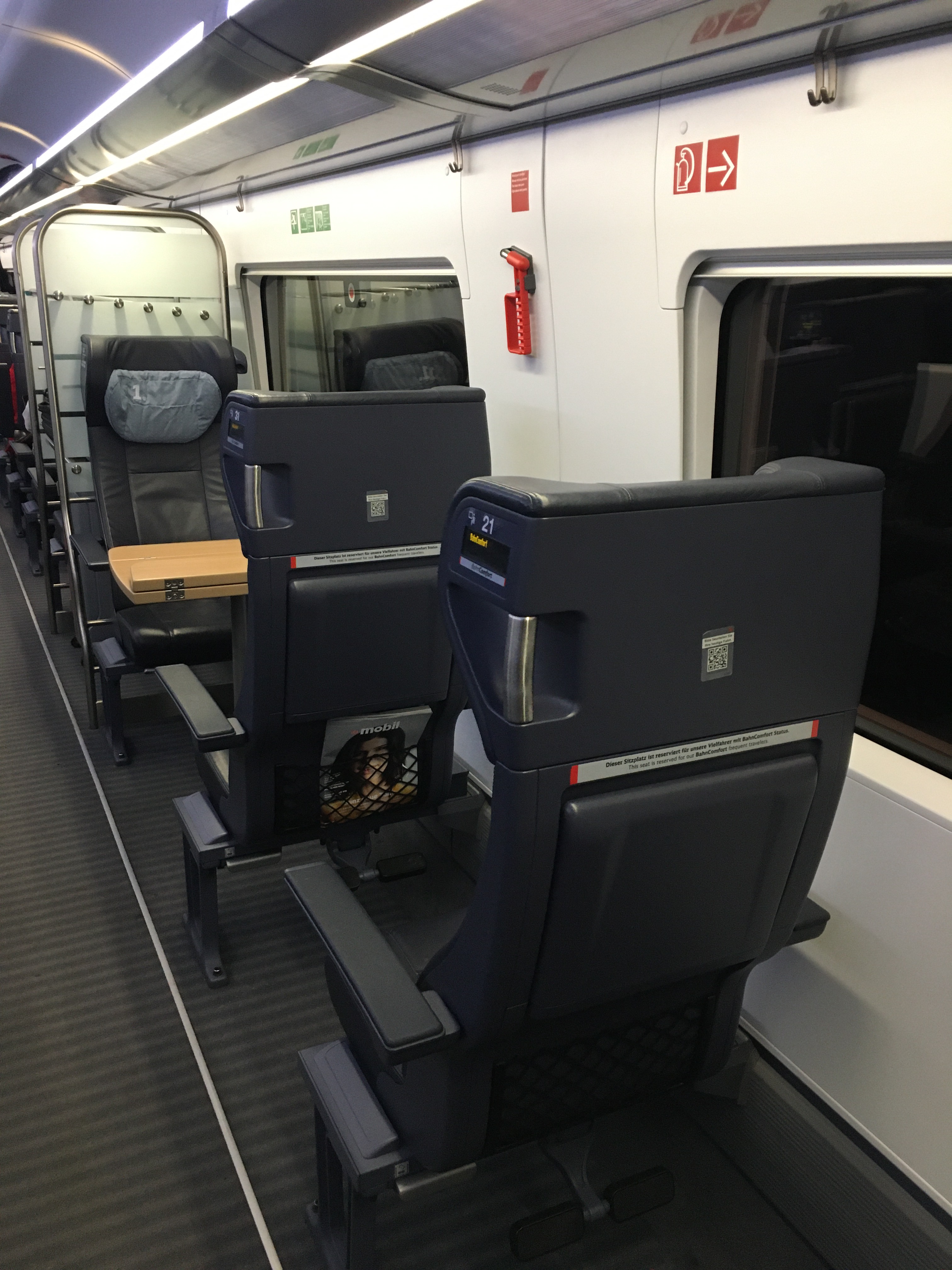
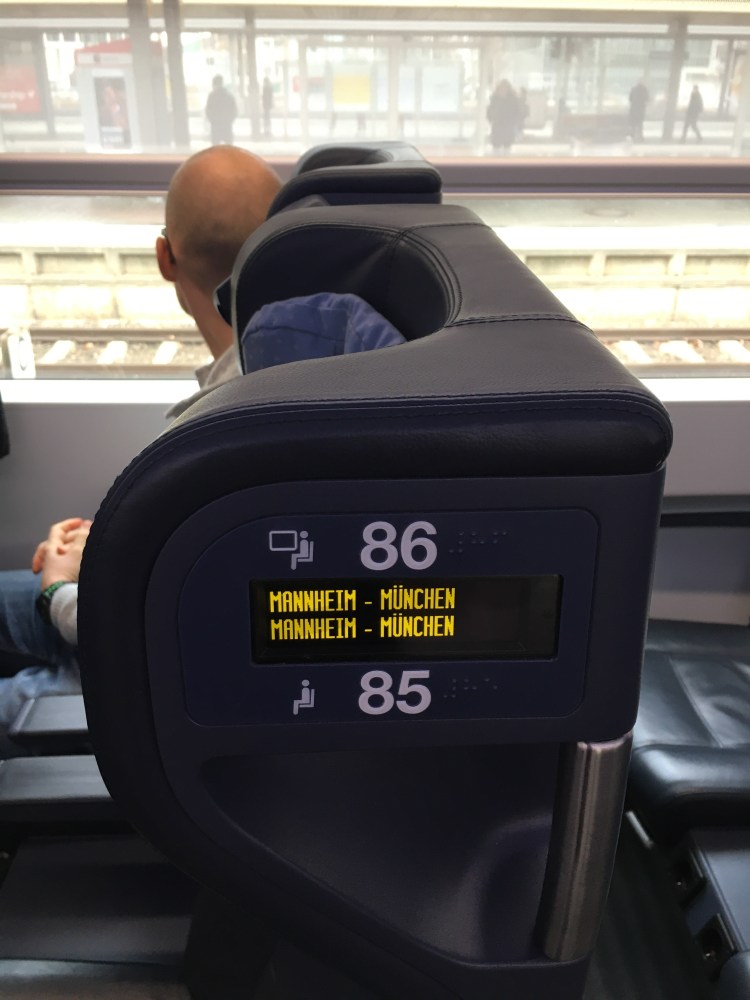
It is possible, though, to take the train without booking a seat and sit anywhere you want. Each seat is numbered and has a status: if the seat lists only the route then it has not been reserved, if the seat says “ggf. freigeben” then you should “release if necessary”, aka you can sit there until you’re asked to leave.

Considering a seat reservation (in second class) is only 5 – 10 euros per person, it seems worth it to me to reserve a seat. Especially if you’re traveling a group or during busy months.

Shortly after we left, the seat changed status.

The other benefit of first-class? Isn’t it obvious?

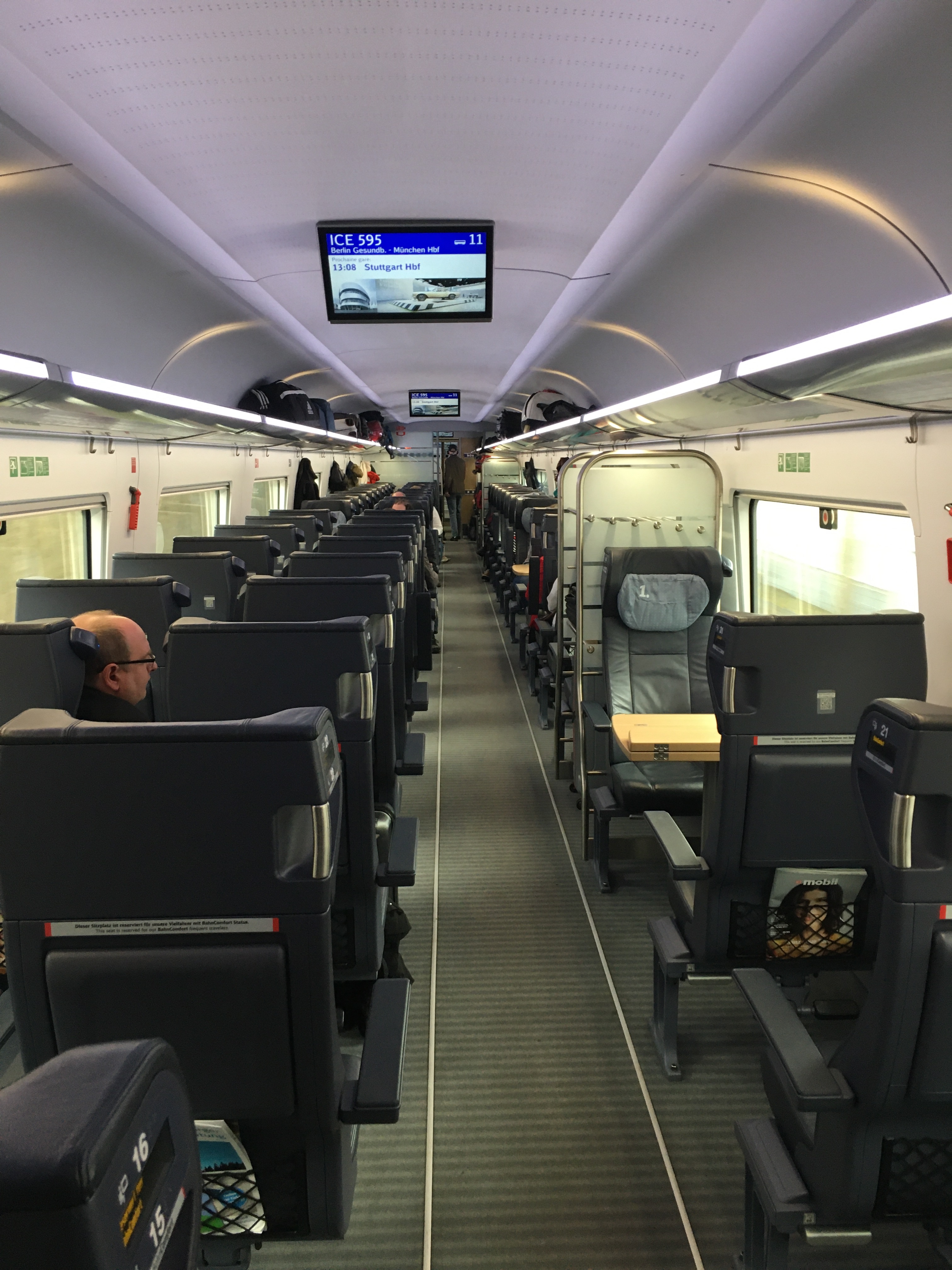
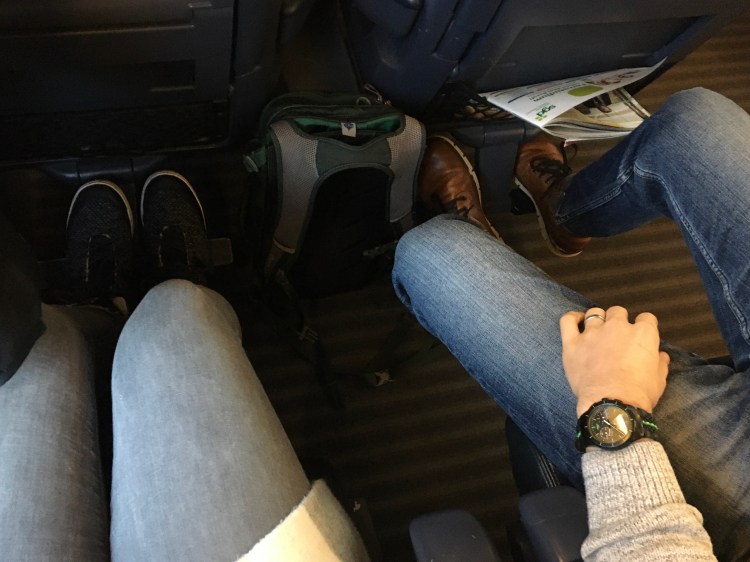
Look at that leg-room! There is also plenty of storage for small and large suitcases above the seats, and a luggage rack at each end of the ‘carriage’.

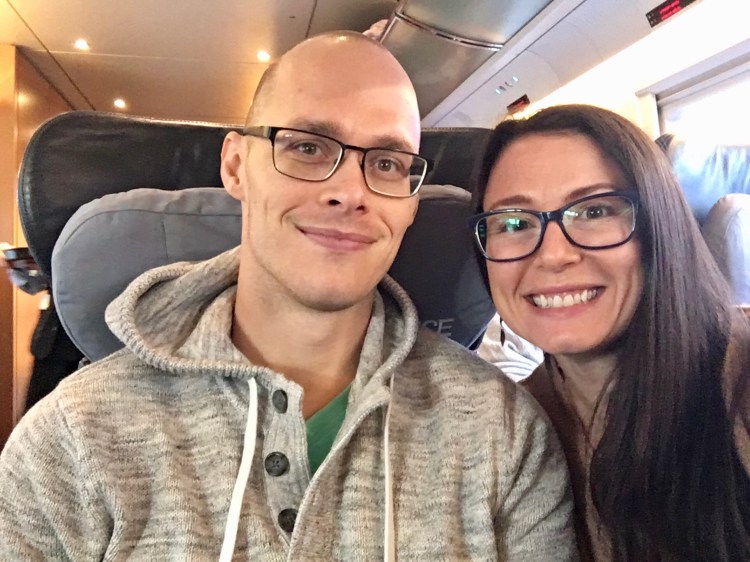
Look at those happy first-class campers!

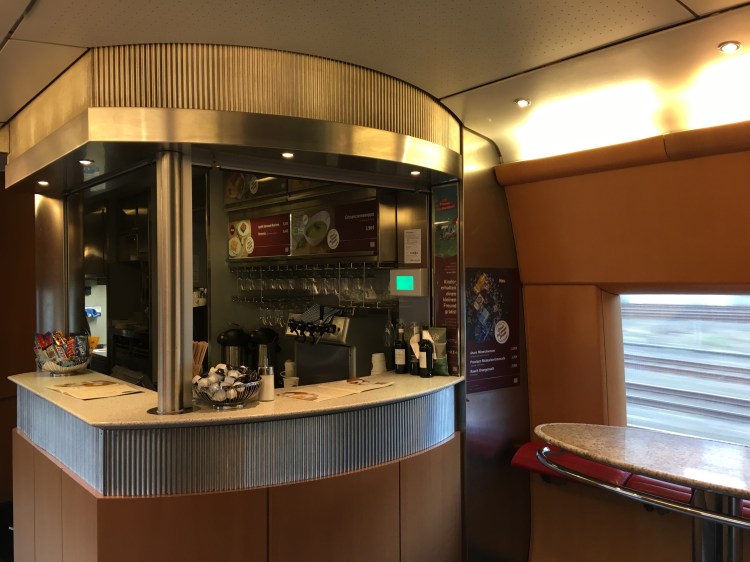
Apart from the leg-room, another benefit of taking the train instead of flying is the opportunity to get up and move around. Once place you can move around to is the ‘board carriage’ aka: the restaurant car!

For a train, they have a pretty extensive menu. Of course, the usual drinks – coffee, beer, wine, sodas. For food, a variety of sandwiches, soups, fries, and some snack foods like chips, and all for a very reasonable price considering you’re on a train. For example, a 0.5 L of beer was only €3.20 and curry worst with fries was €6.90. Compared to airport prices, this felt like a steal!

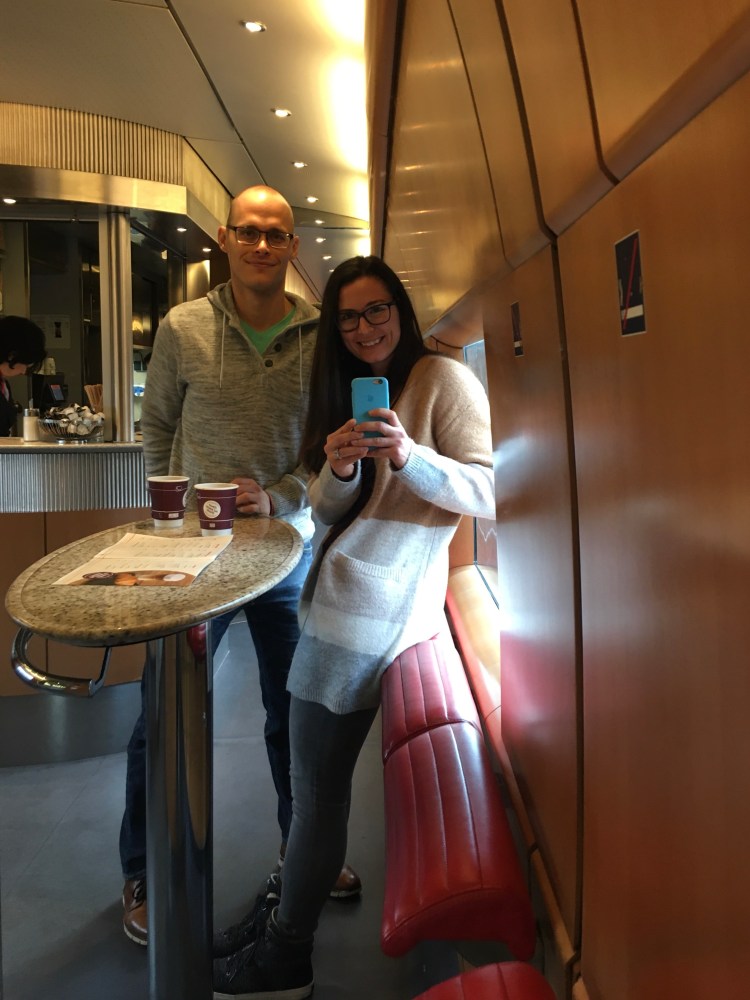
Took a walk for a coffee.

Another first-class benefit: in-seat service.

Of course, you can always walk to the restaurant car and you can certainly bring on your own food and drink (as we did), but if you feel inspired, lazy, or a just little bit baller, you can stop a service attendant on their regular walk-throughs and order from them directly.

Plus, at your seat you’ll be classy AF sipping your drank in a real glass instead of a paper or plastic one.

TIP: You need cash to order from your seat. The restaurant car accepts cards and cash.

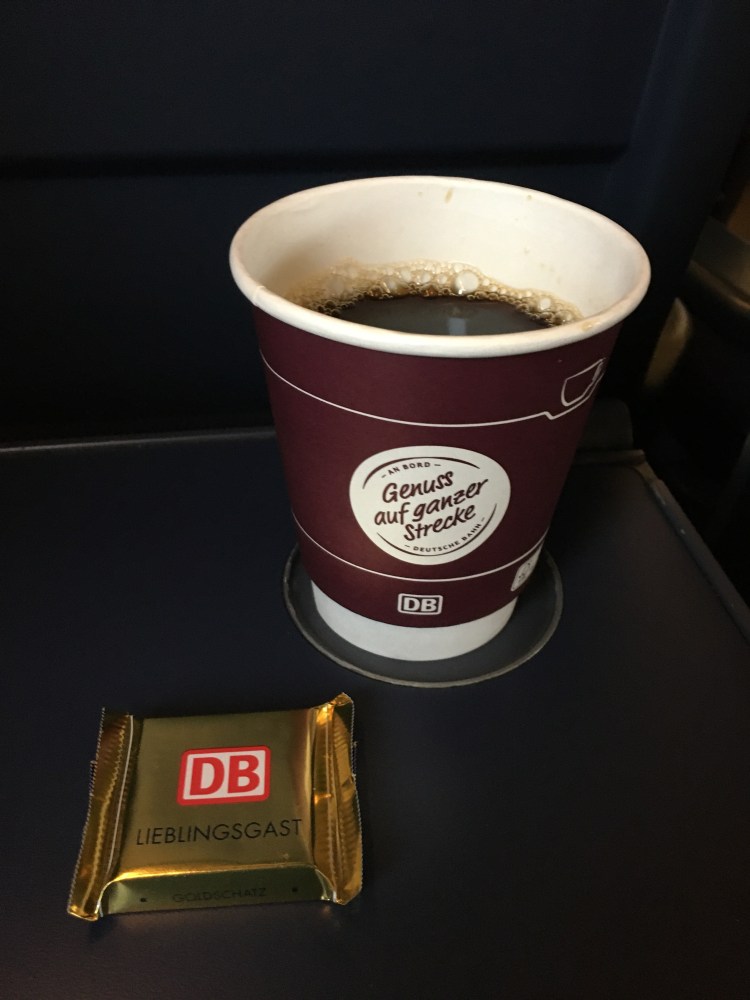
Regardless, if you are seated in first class then you’ll also get a little freebie snack. We got a bar of chocolate and some mint chocolate bites.

Before we knew we could order from our seat…

Do you know what else was VERY impressive? The SPEED of these trains! Dutch trains don’t tell you how fast they are going, plus they go through a lot of towns so I’m not sure they are designed to go at high speeds. These trains though… 293 km/hour = 182 mph! 🤯

Approximately 8 hours later, well-fed, stretched, and rested, we arrived at Munich Hauptbahnhof (central station)!

Take home message:

  1. Taking the train was worth the little bit extra. While slightly more expensive and a little longer travel time, the time passed quickly and it was nice to be able to walk around.
  2. First class was worth the upgrade. The reserved seats, the extra legroom, and the (literal) first-class service! It made the journey much more enjoyable. I did walk through second-class and it was also nice, but as you can imagine less space overall. In addition you get free newspapers (if you’re a German reader), unlimited free wi-fi which was actually decent, and charging capability at your seat.
  3. Book seats ahead of time. If you’re opting for second-class, it’s worth the few euros to secure a seat, especially in peak season. Second-class also has free-wifi, but it’s limited.
  4. Pack those snacks! No train ride is complete with out snacks. You can bring whatever you like on to the train, the only restriction is no personal food in the restaurant car. Forgot snacks? Then there are plenty of options on-board.
Inside Munich central station.

Soon to come – more about our few days in Munich!

Tot ziens,

Whitney

Happy New Year from Holland!

Ah – the New Year. The practice of leaving the old behind and ushering in an era of new beginnings. When you say it like this, it sounds calm and peaceful, right?

Not if you’re in the Netherlands.

Ok – so maybe my video isn’t that dramatic but it surely felt dramatic!

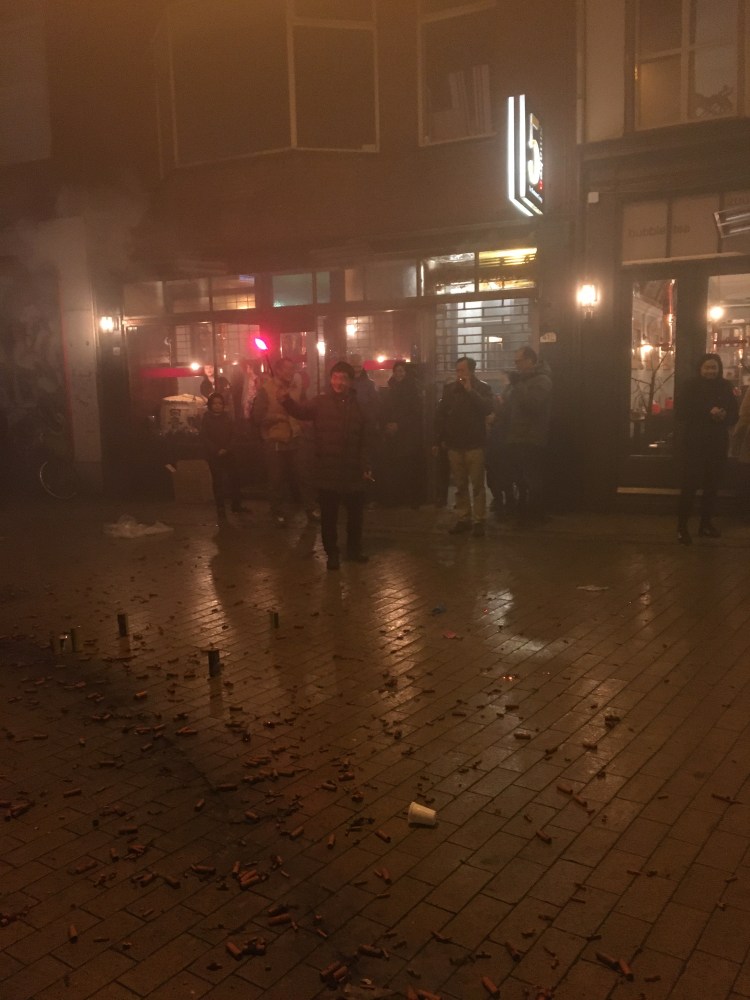
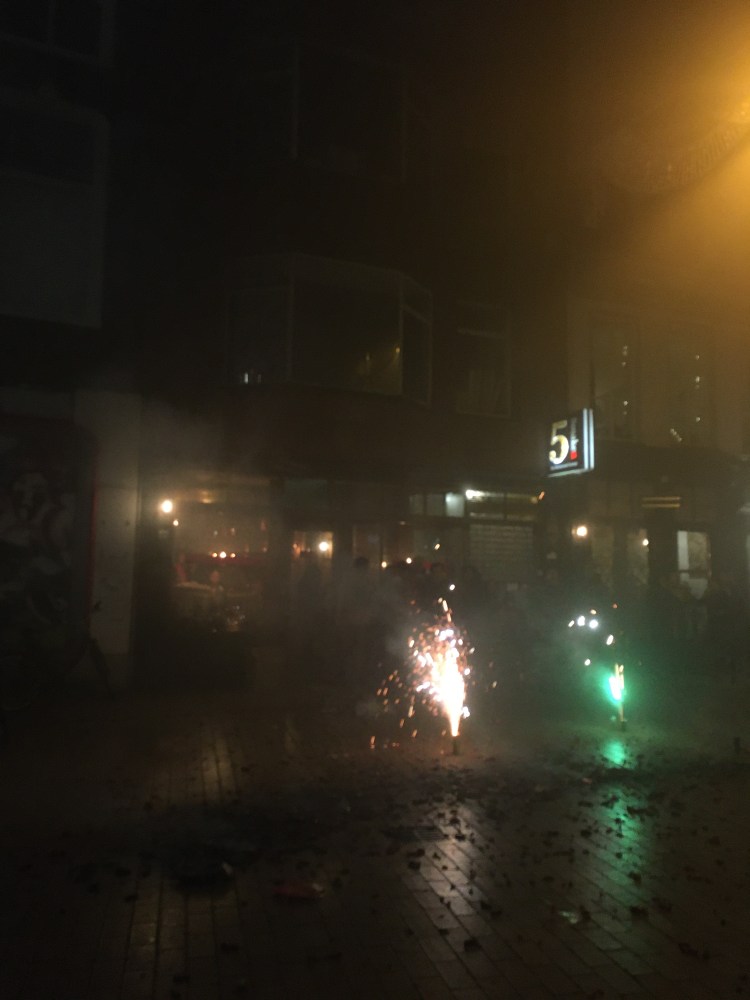
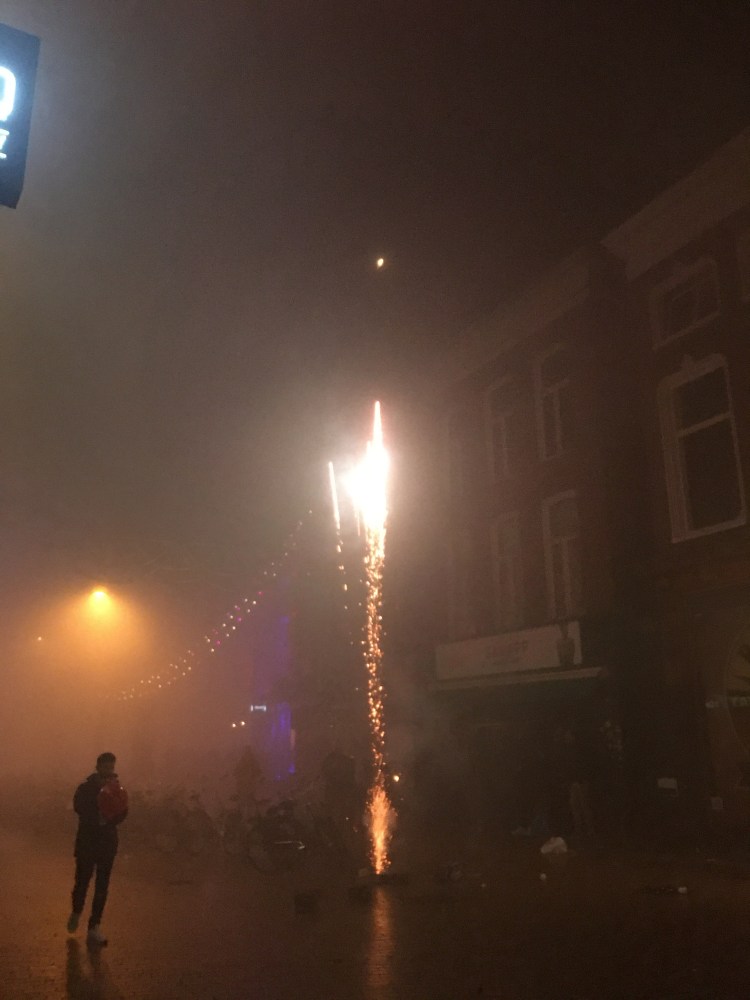
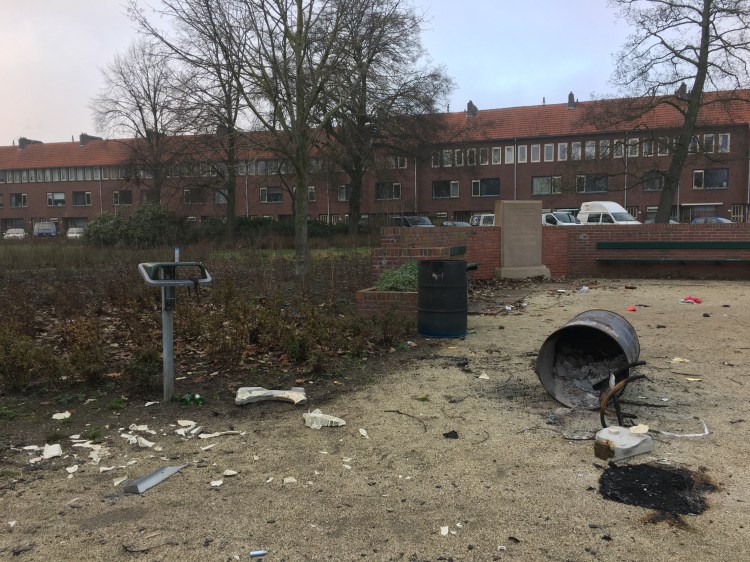
Notice that constant low rumbling in the background? That’s the sound of non-stop fireworks being set off in gardens, in the middle of the street, in parks, and in trashcans all over the city.

And do you notice that (despite the fog) you can’t actually SEE any pretty firework lights? That’s because it’s not about what you see, it’s about blowin’ sh*t up.

Let’s back up a little.

New Year’s Eve and New Year’s day in the Netherlands, aptly called ‘Oud & Nieuw’ (Old & New), is the one day of the year where fireworks are legal.

Correction: the one 8 hour period of time where fireworks are legal.

From 6pm – 2am all bets are off. You know that horror movie ‘The Purge’, where for 24 hours crime is legal? This is how that feels – minus the burglary and murder.

I started to type ‘vandalism and bodily harm’ in that list, but I couldn’t in good faith. This year a man and child were killed in a firework-related fire, and they are still counting injuries and tallying damage costs.

In 2018, citizens of the Netherlands spent 70 MILLION euros in total on fireworks. And to reiterate, that can be used LEGALLY for 8 hours.

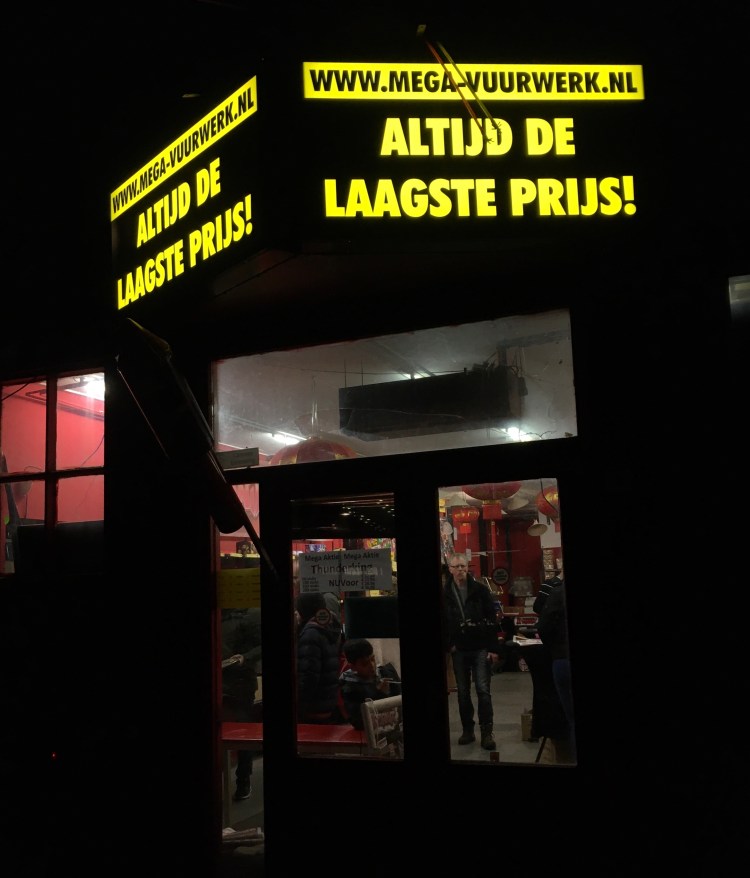
They can be purchased at shops like the one below, which we can only assume make enough money in the month leading up to Oud & Nieuw that it can afford to be closed the other 11 months of the year. In addition to shops like these, you can buy fireworks in the home improvement stores or online. Granted, some types of fireworks are still illegal to purchase, but no worries. If you want the big boys you can just pop on over to Germany and bring back what you want.

“Always the lowest price!”

Like I said before, technically it’s only legal to set off fireworks during the designated time, but let’s be real, this doesn’t stop people from starting earlier. Each day after Christmas the booms increase, culminating in the ‘main show’ which starts at midnight and rings (booms?) in the new year.

If they are illegal, how can people start so early? Two words.

No enforcement.

Until you’re blowing up trashcans and bus stops (yes, that really happens) then the police will leave you alone.

Between 2 trashcans is a logical place to set off fireworks, right?

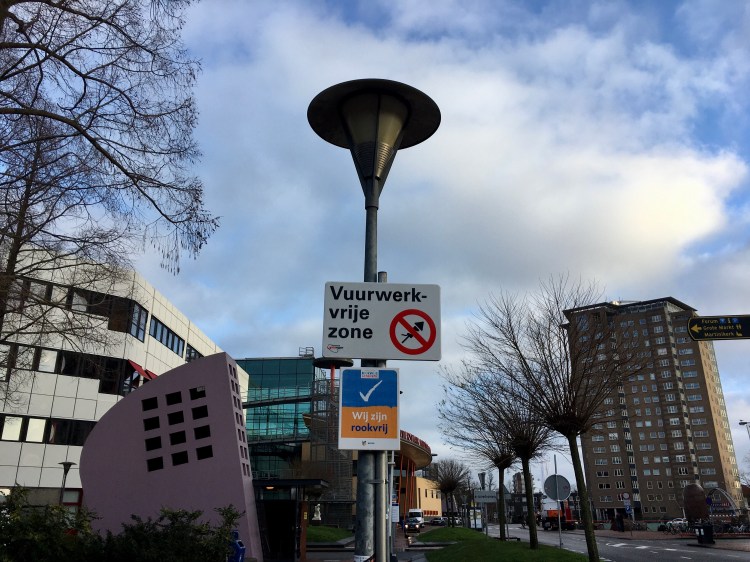
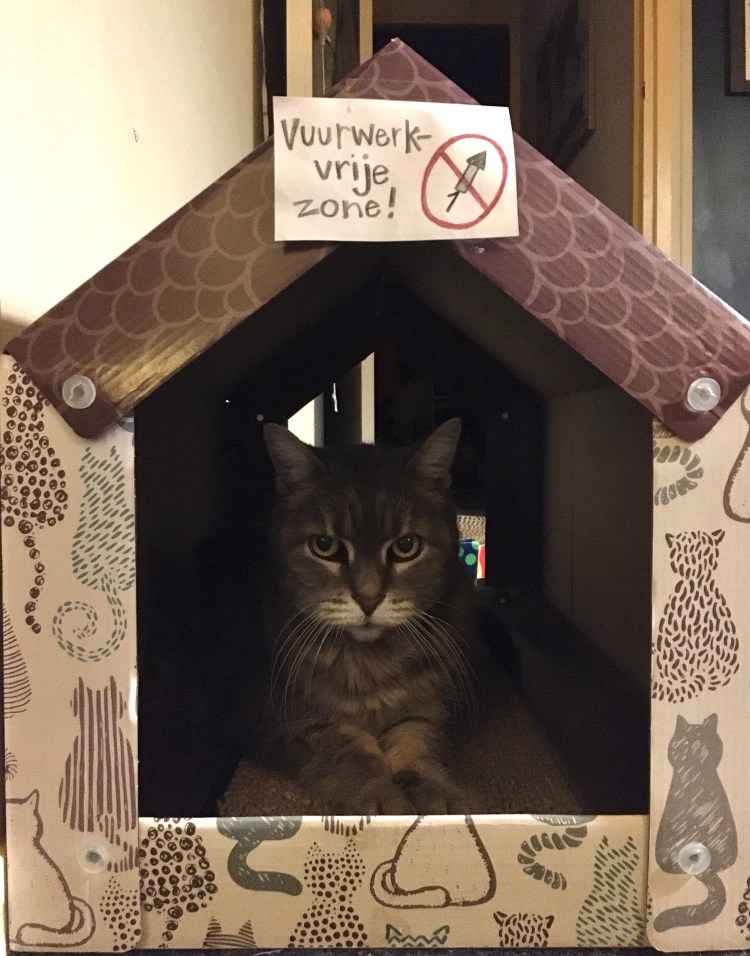
One thing that IS highly enforced are the ‘Vuurwerk-vrije’ (firework free) zones. For example, we live directly across from the main hospital where, for obvious reasons, they don’t want firework chaos. There was a constant patrol of people making sure these zones truly stayed ‘firework free’.

I made Meatball her own firework free zone.

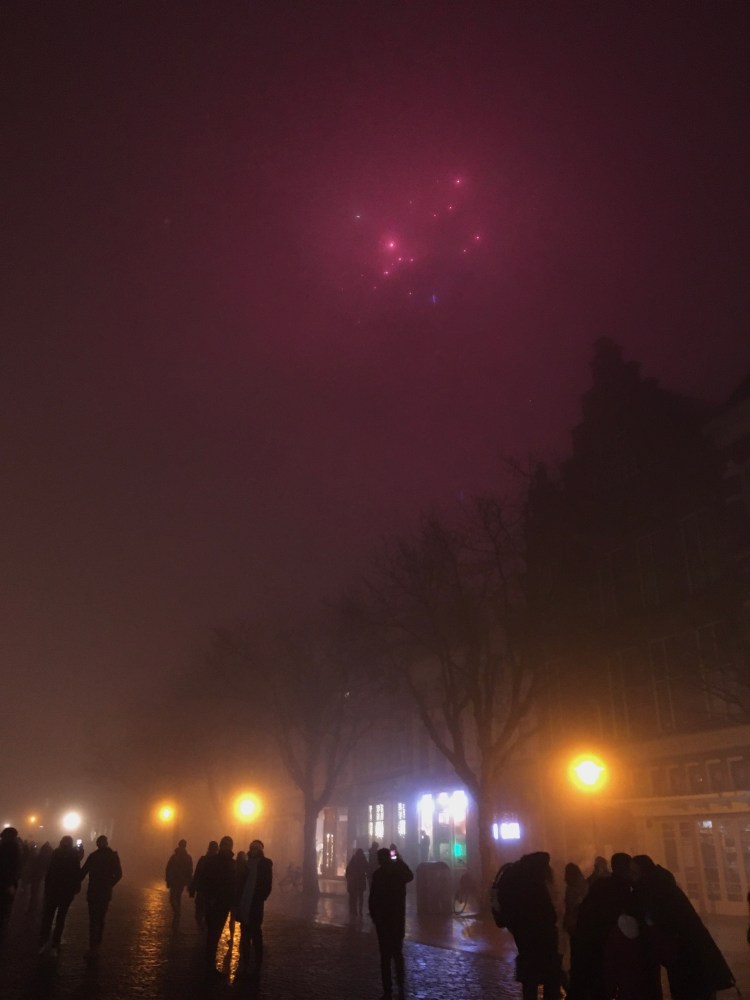
This year, to add an additional level of danger and mystique, the temperature dropped quickly and a thick fog set it. You really had to pay attention to where you were walking!

Fireworks over city center in the fog.

Because we live in the city center, we only witnessed smaller displays. As you might imagine, the further away from the city center you get the larger the show and the bigger the fire.

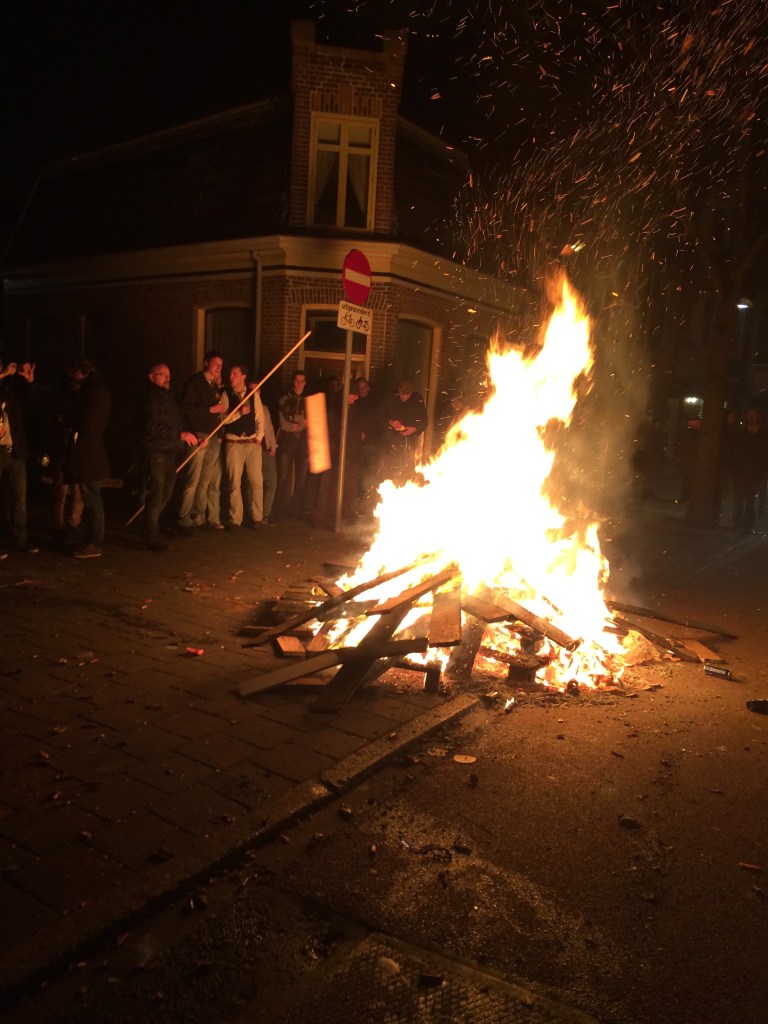
Yes, this brings me to my next Oud & Nieuw tradition. Bonfires.

The photo above was from our first Dutch Oud & Nieuw in 2014, but you get the picture. Bonfires in the street.

Bikes. Christmas trees. Furniture. Whatever-your-heart-desires.

Burn it.

My dad asked the reasonable question “So does the fire-department work all night then?”. Short answer: no. They just let it burn.

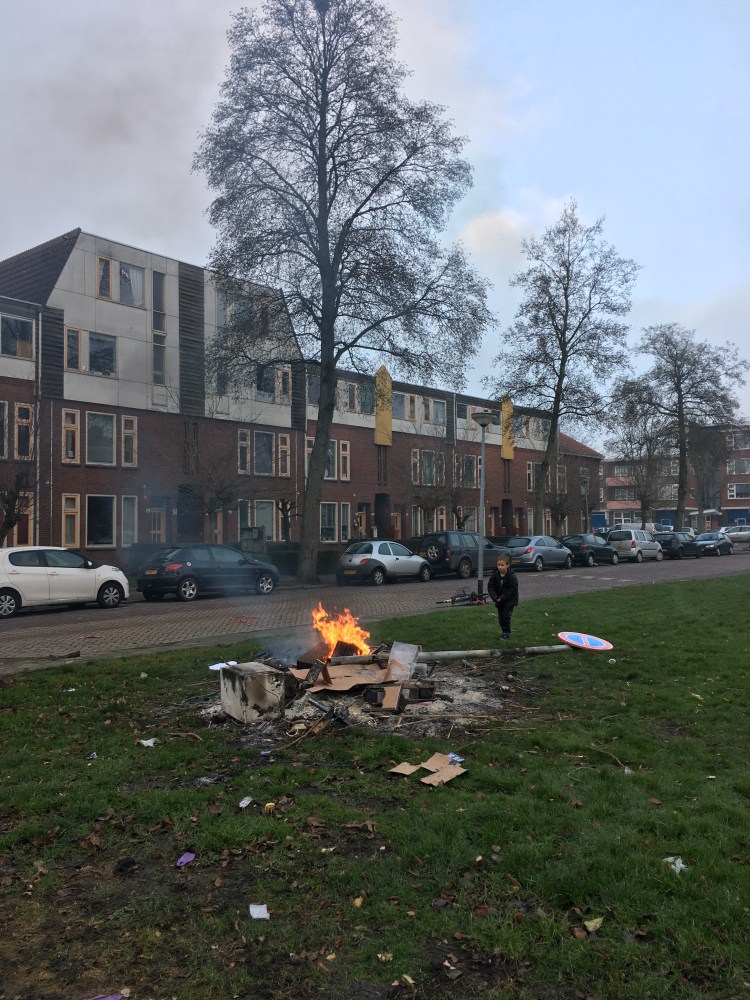
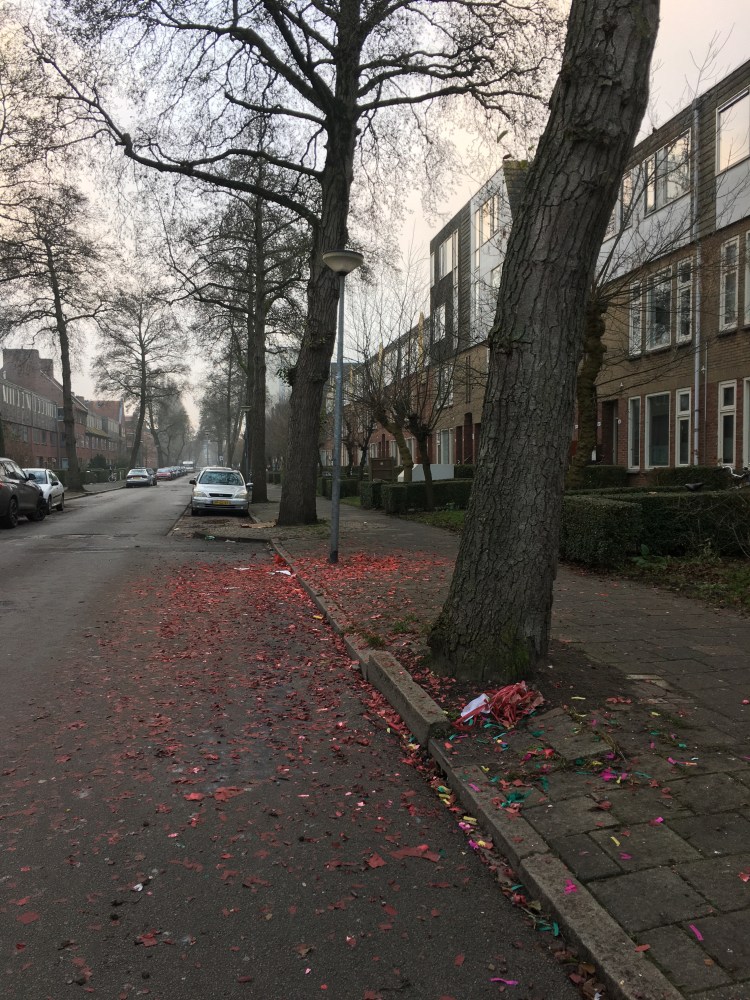
We did discover a leftover bonfire the next day though, on what I liked to call our “survey the damage” walk around the neighborhood.

Notice the street sign in the pile…

And, unrelated to fireworks but also an Oud & Nieuw tradition, olliebollen!

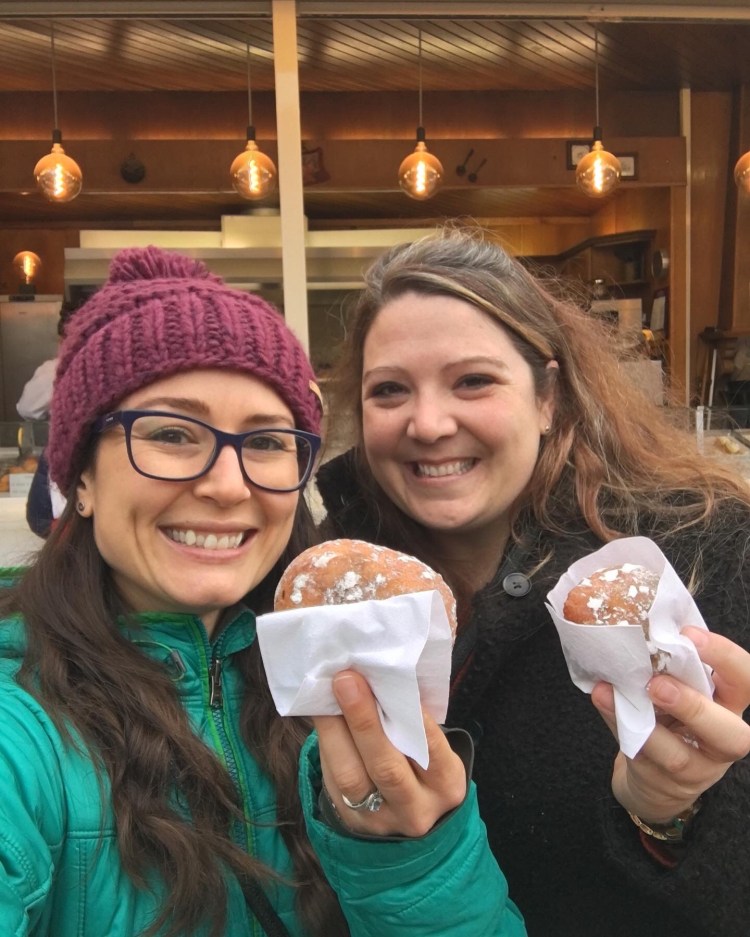
Had to have our friend, Kaitlin, try them!

I would describe olliebollen (literally translated to ‘oil balls’) as a giant deep-fried donut hole, traditionally made with or without raisins and dunked in powdered sugar. They are available starting mid-November, but the bulk of the olliebollen are eaten on New Year’s Eve.

As evidenced by the line that wouldn’t stop growing…

So, my DOs & DONTs for Oud & Nieuw?

DO: Get to the olliebollen stand early! I suggest the ones with raisins.

DON’T: Wear a nice coat out. Firework-induced burn holes are a thing.

DO: Come prepared! Arm yourself with sparklers & firecrackers. You never know when you might need them.

DON’T: Be indoors at midnight! Embrace the chaos!

and finally…

DON’T: Expect to sleep that night. In America, the main party is the lead up to midnight, and here all the parties start at the earliest 10pm and most at midnight. Bars & parties not your thing? No worries, the fireworks last well past their 2am cutoff. They will be sure to interrupt your sleep. 😉

Happy New Year from us to you!

Tot ziens,
Whitney

Bremen, Germany

It’s the most wonderful time of the year!

Time for Christmas markets, folks!

The 6th edition of “The Shwits Drink Too Much Glühwein” was hosted by Bremen, Germany with a special guest – our friend, Kaitlin, joining us all the way from North Carolina!

Bremen, Germany’s 11th largest city, is located about 3 hours west of Groningen by Flixbus, closer even by car, making it a pretty popular destination for Groningners during the Christmas season. Since we’d only been to Bremen for the airport (another hot-spot for the budget airline, Ryanair), we decided it was time to pay it a proper visit.

The Bremen Christmas markets were exactly what you would expect out of a Weihnachtsmarkt. Lots of food, drinks, shopping, and general merriment!

The market Schlachte-Zauber, which is next to the river Weser that runs through Bremen.
One of many glühwein stands.

As I mentioned before, this was our 6th year of Christmas markets, and you could say we’ve established a ‘system’, so to speak, of how to best approach the weekend.

Step 1. Big lunch – traditional German food, obviously.

Step 2. Glühwein.

Step 3. Shopping.

Step 4. Curry worst.

…and the cycle continues.

Now here’s where our years of experience come in (lol). BYOA: bring your own amaretto!

You can (and will most certainly want to) add amaretto to your glühwein at the cost of an extra €1.50 per glass.

€1.50 per glass! Crazy. Do yourself a favor and bring a flask. 😉

We stayed mostly towards the markets in the direct city center (near the cathedral), but if you wander about 5 minutes out you’ll hit the Schnoor district – the medieval center.

This section of town was adorably cute and I am nowhere near a good enough photographer to capture the amazingness of this area. Cobblestone streets, houses that date back to the 14th century, small alleyways that cut you into secret courtyards – it was fabulous!

We also had to go see these guys…

The Town Musicians of Bremen!

I’ll be honest, I didn’t (and still really don’t) know the story which was written by the Brothers Grimm. Long story short (pun intended) it’s about 4 farm animals who think they can make a better living as musicians.

Naturally, you have to give ’em a little rub for good luck!


And with that – we came, we saw, we conquered!

And nice touch with the stoplights, Bremen.

Tot ziens,

Whitney

Merry Sinterklaas!

I don’t think that’s a thing people say, but ya know what? I like it so I’m going with it.

The arrival of Sinterklaas kicks off the season in mid-November.

It’s December 5th which means it’s pakjesavond (present evening) and if you were a good little one throughout out the year, maybe Sinterklaas replaced that carrot in your shoe with some treats! Tonight is the big gift-giving evening of the Dutch holiday season!

This could very well be our last holiday season in the Netherlands since Shane’s next position is still up in the air, and I’ve used this time to fully embrace the spirit of Sinterklaas. And by embrace, I mean eat myself sick on Sinterklaas-specific holiday treats.

So, in honor of the evening I thought I would do a quick round-up of those holiday goodies you will only find during Sint-season!

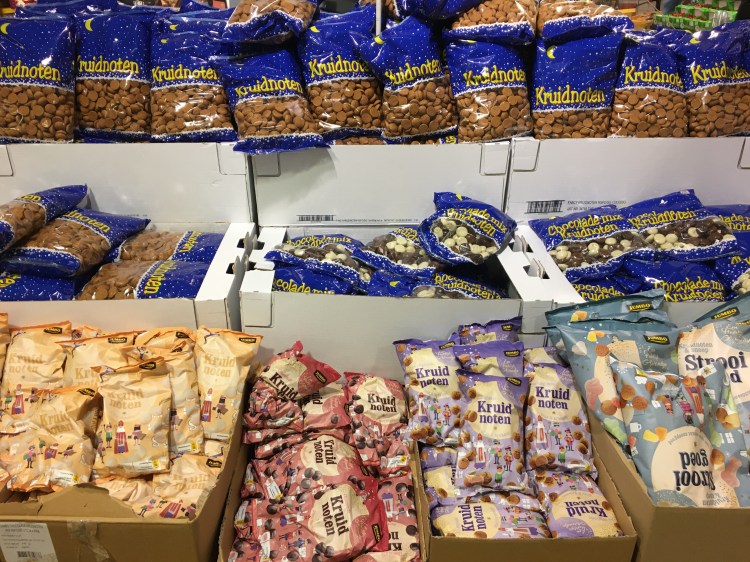
Pepernoten! Pepernoten! Pepernoten! Pepernoten!

THE thing. Without pepernoten there is no Sinterklaas!

I’ve literally seen them sold in a 5 kg (10 lbs) bag…

There are two types: pepernoten & kruidnoten.

Both are small cookies, but pepernoten is the more traditional version with an anise flavor. Kruidnoten are a more like a spiced cookie. Since I’m not a fan of anise, I tend to prefer the kruidnoten – as does my mother who made a special request for “those delicious little cookies” the last time Shane came home. Lucky for her, the grocery stores have started to push the seasons, and pepernoten have been available since October!

The kruidnoten section in our local grocery store.

The flavor possibilities are endless. There are entire seasonal shops which sell only pepernoten, kruidnoten, and flavored kruidnoten aka: the cookie covered in some form of flavored chocolate.

Carmel sea salt, coffee, raspberry, dark chocolate, lemon… not that I’ve tried any.

Chocolate Letters

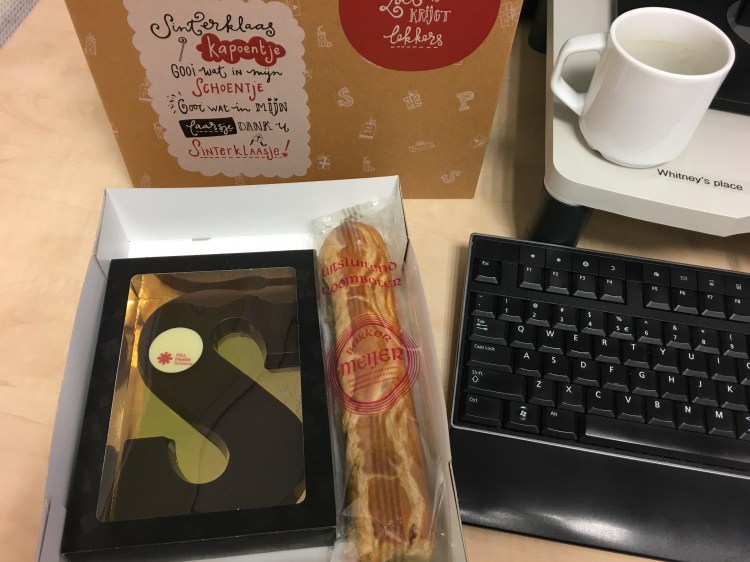
Another important gift of the season, and another one that comes in all shapes, sizes and flavors – although the most popular flavors are milk, dark, and white chocolate.

Tradition dictates that you’ll receive the letter which corresponds to the first letter of your first name. But, if you’re name starts with an unpopular letter (sorry Quincy or Zelda) then you’ll be hard pressed to find them. If this is the case, the standard “S” – for Sinterklaas – is appropriate.

Chocolate letter… with pepernoten!

Marzipan

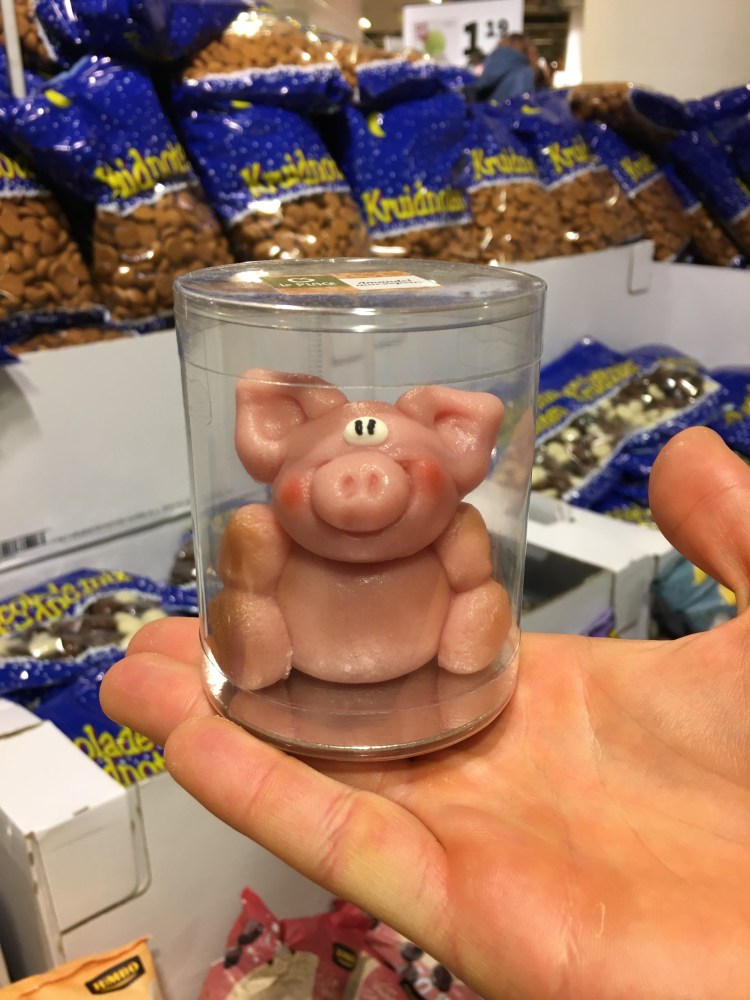
Particularly in the form of a pig.

Conveniently displayed next to the “super kruidnoten”.

Yes, that pig is made of marzipan. Yes, it will get chopped up and sold as smaller pieces.

If a chunk-o-pig ain’t your thang, no worries. Small pigs are also available.

The marzipan pig (made of milk, sugar, and almonds with a consistency of soft fondant) is a New Year’s German tradition to wish good luck (Glücksschwein!), and also a holiday gift tradition in Scandinavia. Given the relative location of the Netherlands, it’s not surprising it carried over.

Banketstaaf

Loosely translated to an ‘almond log’, it’s a buttery, almond-paste filled little piece of holiday heaven with origins in the Netherlands.

A word to the wise: share it. I mean, or don’t, but be prepared to go into a sugar-almond-million-calories induced coma afterwords. #worthit

My Sinterklaas paketje from work – a chocolate letter & banketstaaf.

Speculaas

Speculaas is a shortbread cookie with a spiced flavor similar to that of pumpkin pie spice in America. Actually, if you’re in America and lucky enough to live by a Trader Joe’s then you might know these cookies – called Speculoos, which is the Belgian spelling. You can usually find some sort of speculaas cookie year round, but this time of year the cookie itself changes to a more festive pattern.

Speculaas – smeckulaas. BOOOORRRINGGG.

Ditch that plain cookie, and go for the filled one!

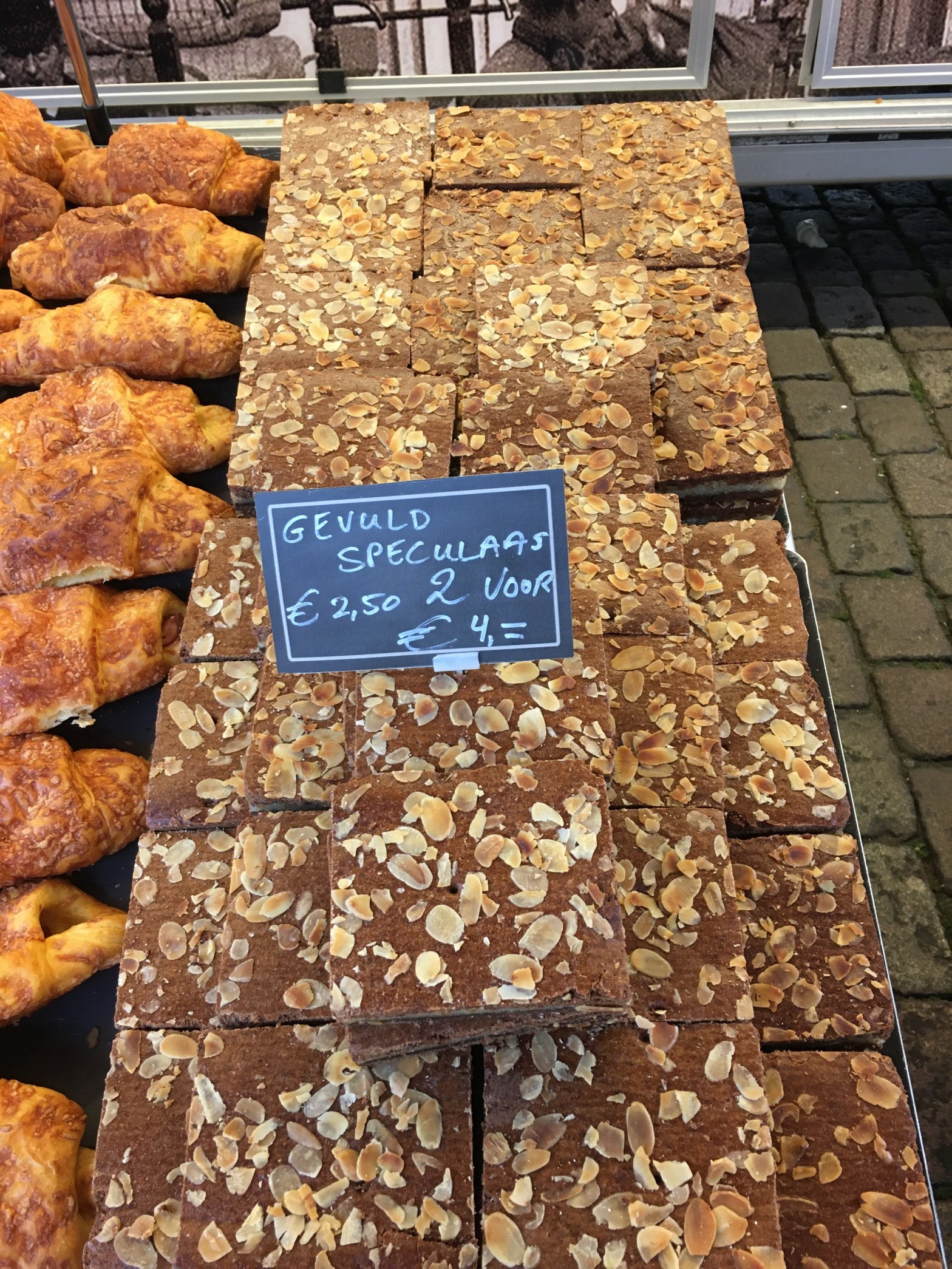
Gevulde Speculaas

My crème de la crème. Re-named to ‘crack-ulaas’ for its sheer power of deliciousness.

Take two, large planks of soft speculaas spiced cake and add some almond paste (same as in the banketstaaf) in the middle and BOOM.

FILLED SPECULAAS. You’re welcome.

I’m genuinely sorry for anyone who isn’t able to try it. So, if you happen to run into some, buy it!


And with that, I’ll leave you with my favorite song of the season:

Sinterklaas (wie kent hem niet) by Het Goede Doel

I recommend the entire video, but if you’re in a hurry start at ~1:30.

Gah, the 80’s were great!

Tot ziens,
Whitney

Utrecht, the Netherlands

Guys, we did it.

It’s taken us 5.5 years, but we made the long and treacherous 1 hour and 56 minute train ride from Groningen to Utrecht!

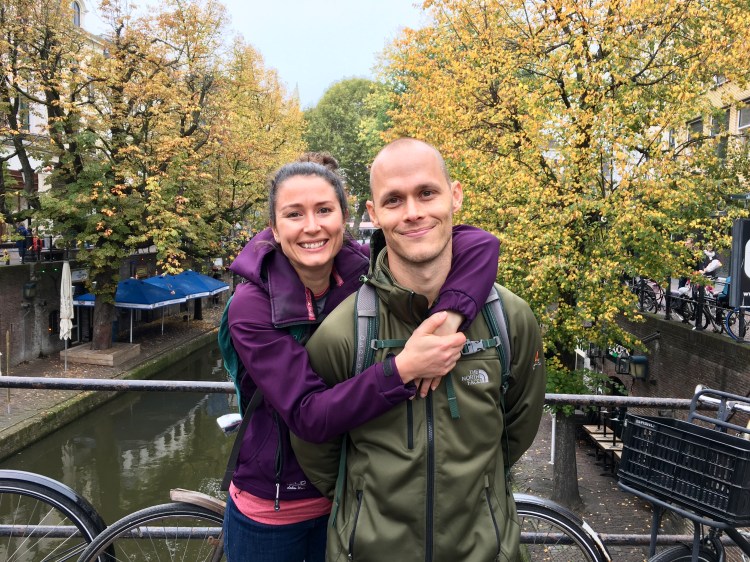
I know our days in the Netherlands are numbered, so I have an unofficial Dutch bucket-list running in my mind. We’ve hit a number of the major Dutch cities – Den Haag & Rotterdam, for instance – but Utrecht was still on the list. A few of my old colleagues (& friends) live in the area now, so we had an inexpensive ‘nachtjeweg’ & mini-reunion courtesy of an NS Spoordeel.

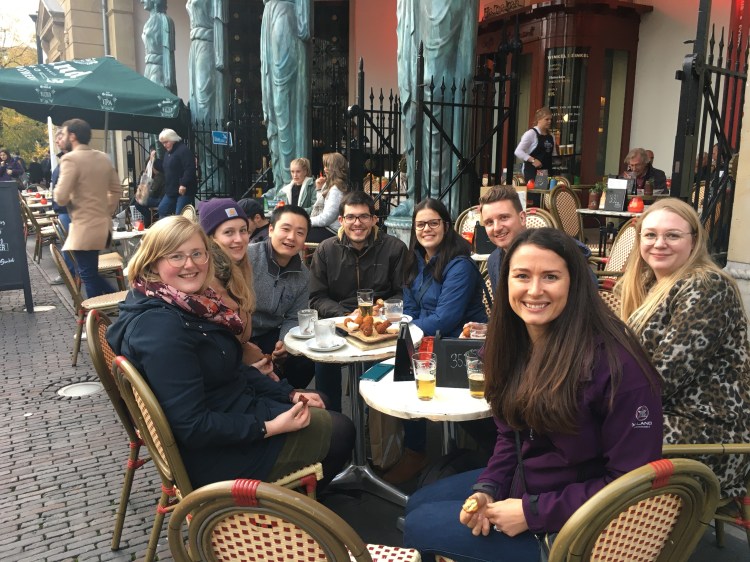
Part of the Mucosis crew in Utrecht!

Expat Tip: Take advantage of the NS Spoordeelwinkel!

We’ve used this a few times now. The deal is for two people: one night in a (mid-range) hotel with breakfast included and a return train ticket from anywhere in the Netherlands for ~ €100 – 120. Considering for us, coming from Groningen, a one-way full-price train ticket is €25 per person, this is a steal! If overnight isn’t your thing, there are ‘dagjes uit’ (days out) and other activities.


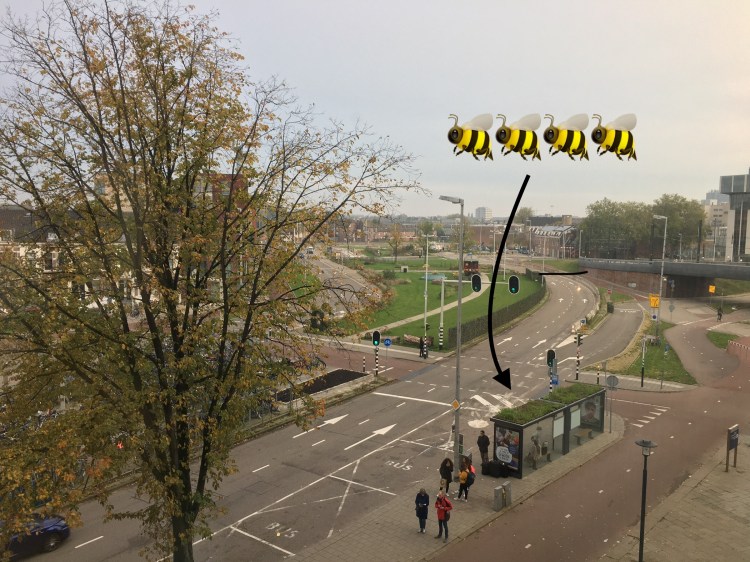
And speaking of hotels, this was the view from our room window. Notice something earth friendly and cool?!

It’s not a bus stop, it’s a Bee Stop!

It’s common knowledge that the bee population around the world is declining. To help out the Dutch bees, Utrecht has transformed over 300 bus stops into bee stops to encourage pollination. Such a simple yet innovative idea!

Back to Utrecht.

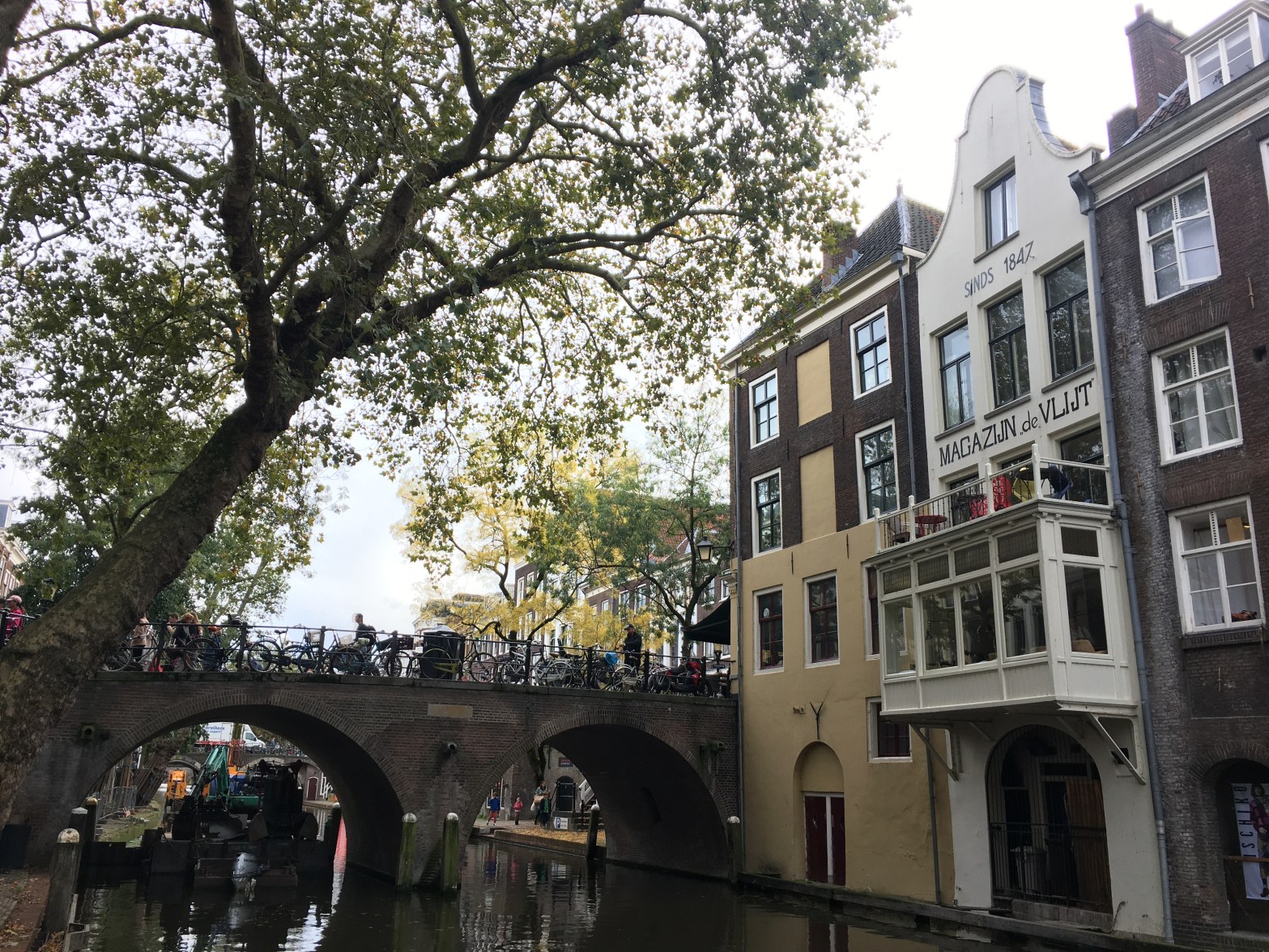
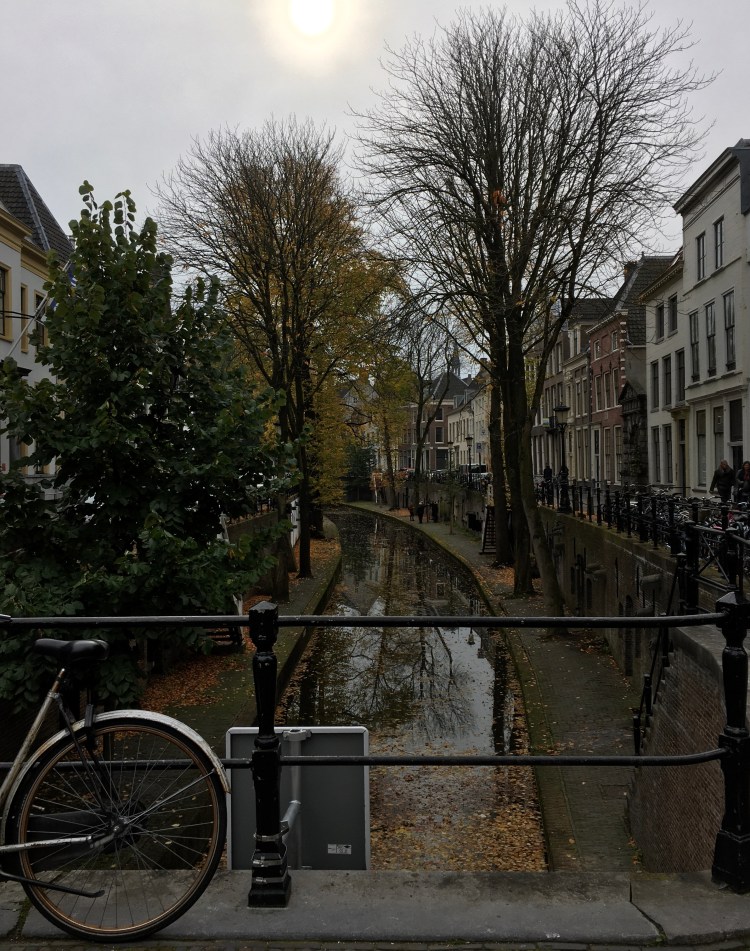
Utrecht is unique, in that there are two levels to the canals: the street and the boat level. When Utrecht was built, it was designed with a series of cellars underneath the street level which were used by the business or house above it. Today, those cellar’s aren’t used for storage, but (in the city center) have been transformed into restaurants and bars which line the canals. I can only imagine how nice this would be on a sunny & warm day!

This two-level set-up also means that the road itself can’t support the weight of delivery trucks – then or now – due to the hollow cellars underneath. The solution? Delivery boats! We didn’t witness it, but apparently the ‘Utrecht Beer Boat’ and the ‘trash-boat’ make regular appearances though the canals.

The two-level canal.

Now, you might be wondering: “How did she learn such interesting information about Utrecht?!”

A walking tour, of course!

Tip: Utrecht Free Walking Tours

They offer tours in English 4 days per week, two times per day. They have general city tours (which is what we did) or specialty tours (WWII, for example).

Our tour group. Photo courtesy of our guide, Donna.

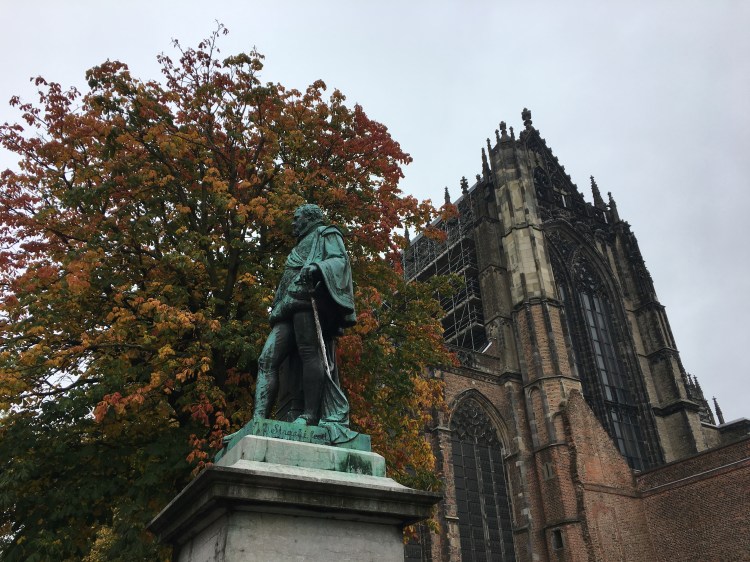
The tour started out at the Dom Tower. I wish I had taken a picture to show how dissapointed I was when we arrived. Not because the tower was unimpressive – it’s 112m (~365ft) and the tallest building in Utrecht. It’s also under renovation and completely covered with scaffolding. *facepalm*

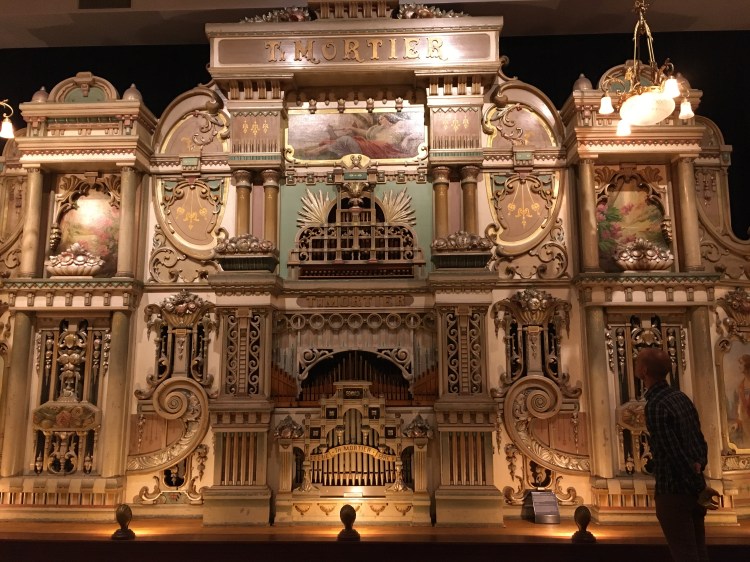
We also missed out on the museum DOMunder, which is a tour through the archaeological site underneath Dom square that dates back to 45 A.D.. We (mostly I) convinced people to go to Museum Speelklok, which is a museum dedicated to the self-playing musical instruments that are notoriously Dutch.

A typical Dutch street organ (in Groningen).

To be honest, if you only have time for one museum in Utrecht, don’t visit Museum Speelklok unless you’re really into musical clocks/instruments. Don’t get me wrong, they were cool to see, but it seemed over-priced and it was very, as our tour guide eloquently put it, niche. If you’re into learning a little about the city, then I would recommend something else.

Shane for scale.

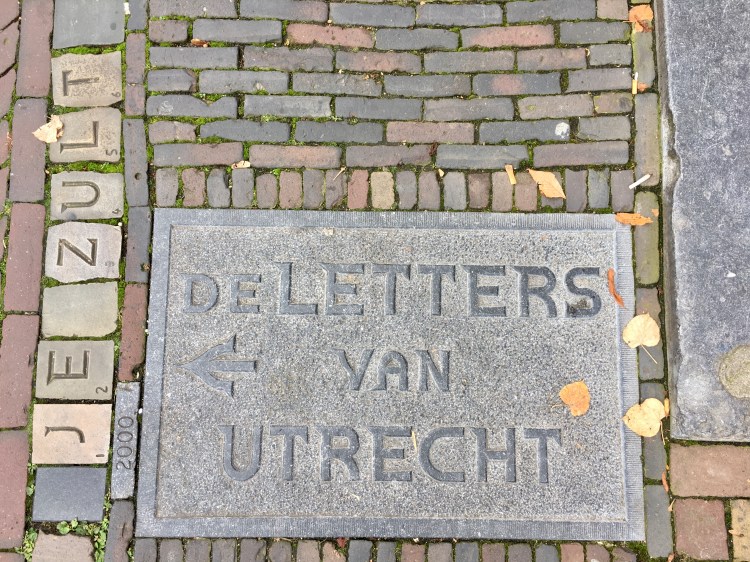
One thing that I did really enjoy was De Letters van Utrecht.

It’s a piece of street art started in 2000. It’s an ongoing poem written in the bricks of the street. The unique part is that only one letter-brick is added per week – every Saturday at 13:00 you can see them add the next letter. The artist intended it to be a gift to future generations by creating an poem that can be carried on for generations. The full poem to date can be found online, and if you’re interested in contributing then you can apply to write a line of text.

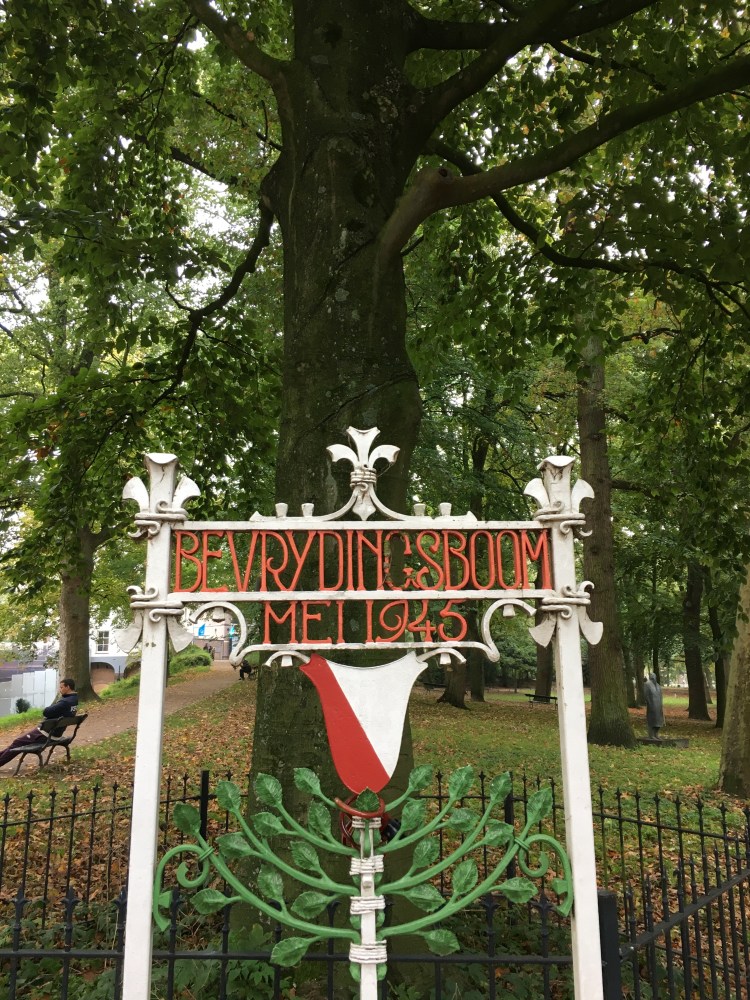
The rest of our walking tour took us through the park and through city center.

It was quick, but a nice weekend away with good friends!

In other news, Shane and I tried to go see a movie last night and it was cancelled because two dead bodies were found in the theater…

That’s a first.

Tot ziens!

Whitney

Château du Val: Saint-Just, France

When your friends invite you to their wedding in a literal castle, you say yes!

Ok, so we would have said yes even if it wasn’t in a castle. Not the point.

Our road trip culminated at Château du Val, which is located just outside the tiny town of Saint-Just in the Brittany region of France.

Before I get to the wedding festivities I would like to take a moment and acknowledge the ‘French-people-eat-baquettes-all-the-time’ stereotype. Well, friends. Sometimes stereotypes are there for a reason. Please let me introduce to you the 24-hour baguette vending machine!

We didn’t use the vending machine since there was an open grocery store 200 meters away, but now I’m having regrets and thinking I should have just bought a baguette for shits & giggles…

Anyway, I digress.

The wedding was a three-day extravaganza, with guests of the bride & groom (Sarah & Barend, by the way), coming from all over – the Netherlands (his family), Ireland (her family), England, Germany*, America (& not just us!), South Africa, and Australia. Both Sarah & Barend used to work in the yachting industry, which is how they met and how they ended up with friends spread across the globe!

*sorry Chelly & Christian – I don’t know how I forgot our weekend roommates!

It was a fantastic three days spent with great people, great food, and great scenery!

I basically took zero pictures – no service, phone was always dead. So, generous thanks to those who donated photos to the WhatsApp group. Hope you don’t mind I stole some. 😉

Bride and groom, & their little – Mia.
Barend – just before the ceremony!

Gefeleciteerd, Sarah & Barend!

Tot ziens,

Whitney